

What is matcha?
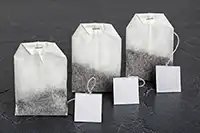
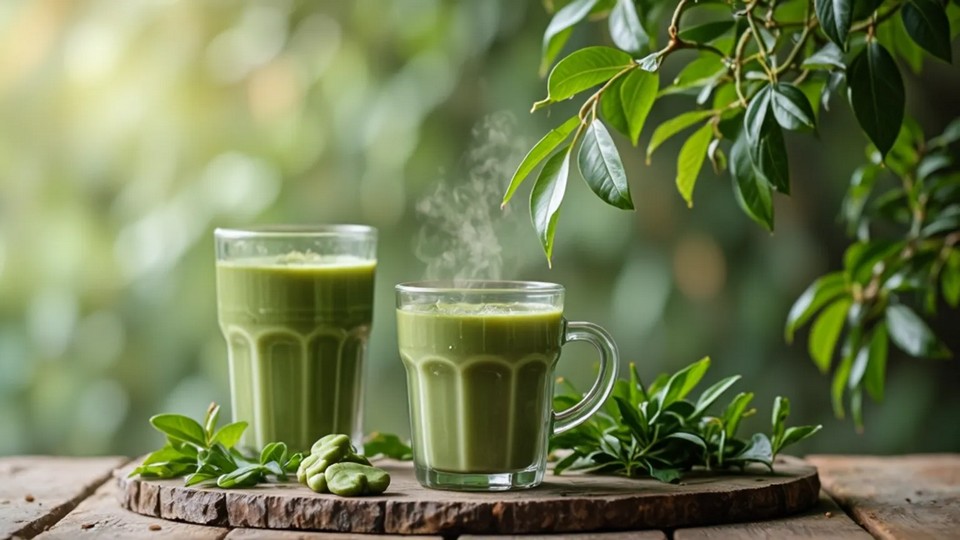
Matcha is a finely ground powder made from specially grown green tea leaves. Instead of steeping tea leaves in water and removing them again, as you do with loose tea or tea bags, you drink the whole leaf in powdered form, which gives a more concentrated taste and nutritional experience.
Matcha is specifically made from the tea plant Camellia sinensis, the same plant used for green, black, and white tea. The difference lies in the cultivation and processing methods.
Origin and history
The history of matcha goes back over 800 years and has its roots in China, where Buddhist monks began steaming and grinding tea leaves to achieve a meditative state. The concept was further developed in Japan, where matcha today has its strongest foothold.
In Japan, matcha became a central element in the traditional tea ceremony (chanoyu), which combines aesthetics, spirituality, and social presence.
How is matcha cultivated?
The tea plants are shaded for 3-4 weeks before harvest, which increases the content of chlorophyll and amino acids. Only the finest, youngest leaves are used. After steaming and drying, the leaves are ground into an ultra-fine powder between granite stones. The result is matcha.
Quality levels: Ceremonial vs. culinary
- Ceremonial quality: Smooth, sweet, and rich in umami. Suitable for pure drinking.
- Culinary quality: Stronger and slightly bitter. Used for cooking, baking, and matcha latte.
How to prepare traditional matcha
You will need: A bamboo whisk (chasen), a bamboo scoop (chashaku), a bowl (chawan), 1-2 grams of matcha, 70-80 ml hot water (75-80°C).
- Sift the matcha into the bowl.
- Add hot water.
- Whisk in a zigzag pattern until foam forms.
- Drink immediately.
Matcha in modern use
- Matcha latte: With warm (plant) milk and sweetness.
- Smoothies and bowls: For flavor and color.
- Desserts: E.g. matcha ice cream, cakes, and cheesecake.
- Drinks: In cocktails and mocktails.
Health benefits
- Rich in antioxidants such as EGCG.
- Caffeine and L-theanine provide calm energy.
- Supports metabolism and immune system.
- Good for skin and cognitive functions.
Drawbacks and precautions
- High caffeine content can cause restlessness.
- Quality varies – cheap matcha can taste bitter.
- Store airtight and in the dark for optimal shelf life.
Matcha's role in culture and lifestyle
Matcha is associated with calm, mindfulness, and ritual. The traditional preparation creates a pause in everyday life, and the drink is often enjoyed in wellness and café environments.
Conclusion
Matcha is a unique drink with roots in Japanese culture, offering an intense taste experience, health benefits, and a moment of calm. Whether you drink it traditionally or in modern forms, matcha is an experience that combines history, well-being, and flavor.