


DA | EN | DE | FR | ES

Music History: From Antiquity to Modern Pop A journey through the evolution of music from ancient times to today

musik Musik Teori
Music History: From Antiquity to Modern Pop Title Image

Music has followed humanity since the dawn of time. Each era has left its mark on the development, expression, and role of music in society. In this article, you can dive into the most important epochs of music history and discover how we went from the sounds of antiquity to today’s pop hits.

Music of Antiquity and the Middle Ages

The oldest forms of music are known from cave paintings and archaeological finds, where simple flutes and drums played a role in rituals and community.
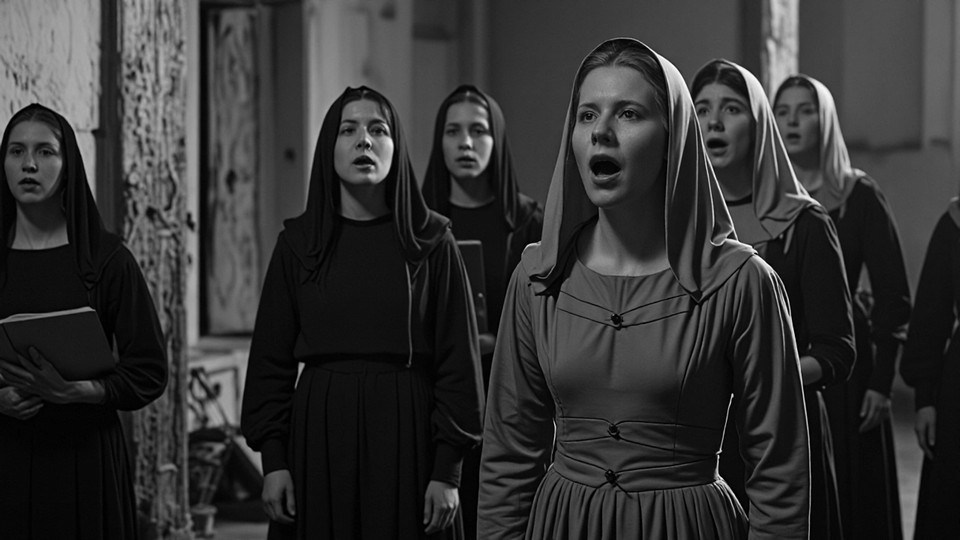
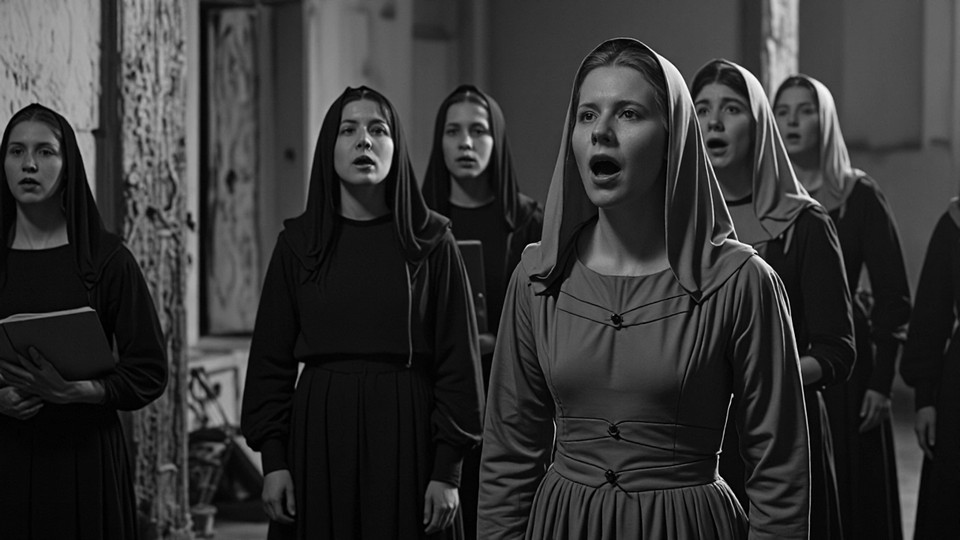
Medieval orchestra
  • The music was closely tied to religion and magic.
  • The Greeks developed early theories about tones and scales.
  • In the Middle Ages (ca. 500-1400), church music dominated, especially the monophonic Gregorian chant.

Renaissance and Baroque: The Discovery of Harmony

String instruments - Piano

In the Renaissance (ca. 1400-1600), polyphony began to flourish. Music became more complex, and instrumental music gained greater significance.

  • The choir and vocal music developed with techniques such as imitation and counterpoint.
  • The Baroque era (ca. 1600-1750) brought great composers like Bach and Handel, and new forms such as oratorio, opera, and concerto grosso.
  • Harpsichord, violin, and organ became central instruments.

Classical and Romantic Period

The Classical period (ca. 1750-1820) focused on clarity, balance, and simplicity. Haydn, Mozart, and Beethoven set the standard for symphonies and quartets.

Baroque

In the Romantic period (ca. 1820-1900), music became more emotional and dramatic. The orchestra grew, and composers like Chopin, Brahms, and Tchaikovsky wrote works with great breadth.

  • The development of the piano became very significant.
  • Music was often used to express personal feelings and national identities.

The 20th Century: New Directions and Technologies

The musical landscape of the 20th century is characterized by experiments, upheaval, and diversity. Some important movements:
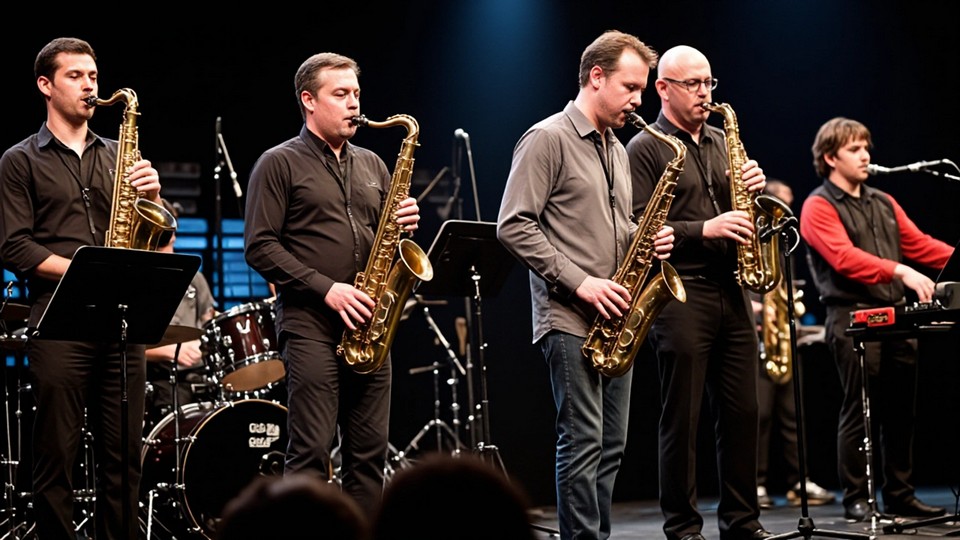
Blues band
  • Impressionism: Timbre and mood in focus (Debussy, Ravel).
  • Expressionism and atonal music: Traditional rules are broken (Schoenberg, Stravinsky).
  • Jazz: Emerges in the USA with roots in blues and ragtime. Characterized by improvisation, swing, and distinctive rhythm.
  • Electronic music: New sounds and production methods with synthesizers and computers.

Pop, Rock, and Contemporary Music

From the 1950s, popular music exploded with rock’n’roll, soul, later punk, hip hop, electronic music, and pop in all its forms. Technological advances, radio, TV, and the internet have made music accessible to everyone.

Blues band
  • Electric guitar, synthesizer, and computer-based production dominate today’s sound.
  • Big stars and genres emerge and disappear quickly in line with trends.
  • Music today is both global and local, with inspirations crossing cultures.

The Significance of Music History

Knowledge of music history provides a deeper understanding of why music sounds the way it does today. Each era has contributed new forms of expression, techniques, and instruments, and today’s music builds upon centuries of development.

Whether you listen to Mozart, Miles Davis, or Dua Lipa, it is all part of the same, living history.

Conclusion

The journey of music is long and diverse. From the simple sounds of antiquity to modern pop music, we have expressed ourselves through tones, rhythms, and instruments. Music history shows that music has always been—and will remain—a central part of human life and culture.



Måske er du interesseret i

Astrologi
Fritid
Astrologi
En Introduktion til Stjernernes Sprog
Verdenshistorien ifølge KGM.DK
Kunst og Kultur
Verdenshistorien ifølge KGM.DK
Fra Big Bang til Covid
Rosévin
Mad og Drikke
Rosévin
Introduktion til Rosévin. Fra Sommerdrik til Seriøs Vinoplevelse
USB stik
Teknologi
USB stik
Fra Type-A til USB-C – og alt derimellem