When we look up at the night sky, we see only a fraction of the infinite universe we are a part of. Stars, planets, and galaxies are not just points of light in the sky – they are physical objects with their own history, movement, and significance in the cosmic puzzle.
Astronomy is the science of the universe. It seeks to understand how everything from our own solar system to distant galaxy clusters is connected – and how we as humans fit into this big picture.
What is astronomy?
Astronomy is the natural scientific study of celestial bodies and phenomena beyond Earth. It includes the study of planets, moons, stars, the life cycle of stars, black holes, galaxies, and the very structure and evolution of the universe.
It is one of the oldest sciences and at the same time one of the most modern – with everything from ancient sky maps to today’s space telescopes and data models.
The Solar System – our local neighborhood
The solar system consists of the Sun and eight planets as well as dwarf planets, moons, asteroids, and comets. Below are shown at the same size.
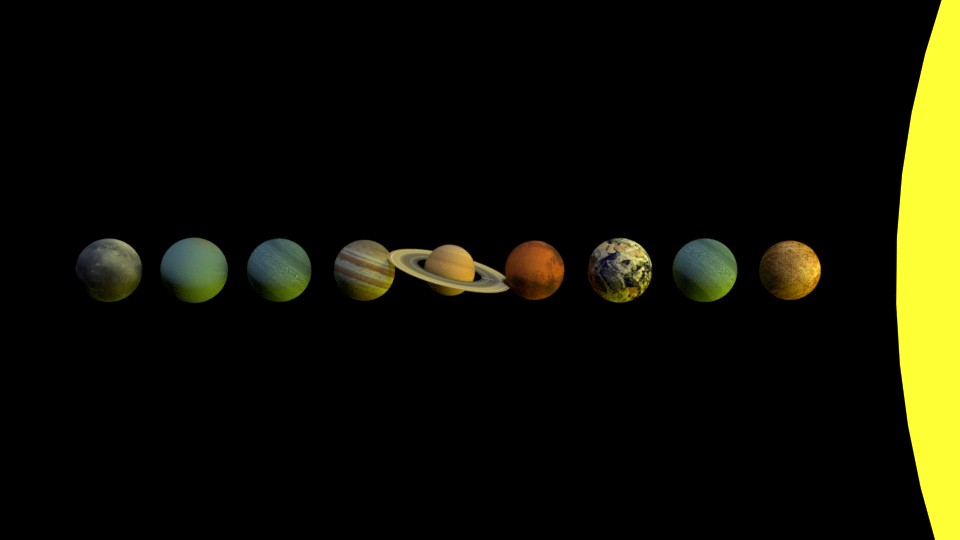
The eight planets are:
- Mercury: the smallest and closest to the Sun
- Venus: hot and cloudy
- Earth: our home
- Mars: the red planet
- Jupiter: the largest planet
- Saturn: with rings
- Uranus: ice giant
- Neptune: outermost and windy
The Milky Way – our galaxy
The Milky Way is a spiral galaxy with up to 400 billion stars.
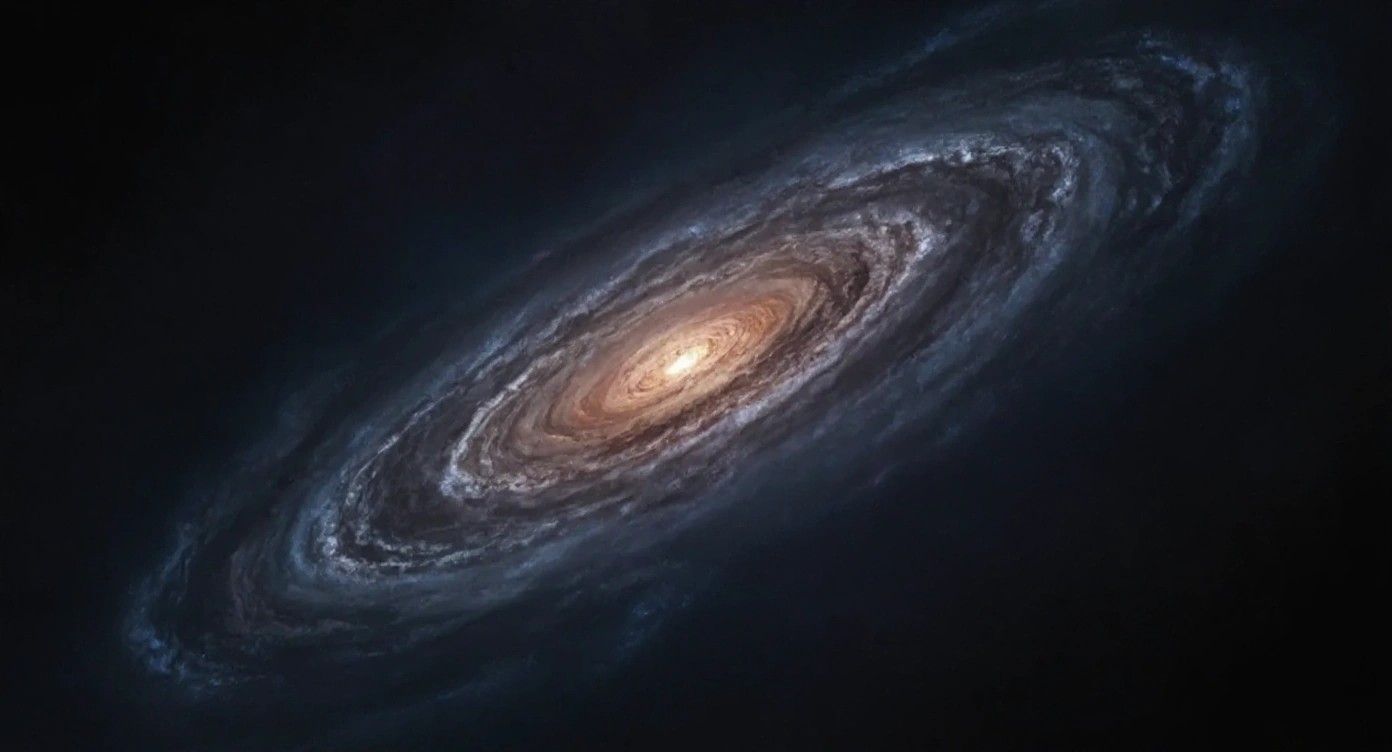
Our solar system is located in one of the spiral arms, about 27,000 light-years from the center, where a supermassive black hole is found. It is important to understand that the stars are suns just like our own sun, and that is why they light up the sky. This is in contrast to the planets, which light up the sky because the sun shines on them.
Even though there are billions of stars (suns) in the galaxy, and they appear to be very close together in the picture, the distances are very large. The distance from Earth to Neptune (the farthest planet) is 4.5 billion km. But the distance to the nearest star is 4.24 light-years, which corresponds to 40,000 billion km. So the nearest star is about 8,900 times farther away than the farthest planet.
Other galaxies – the mosaic of the universe
Besides the Milky Way, there are billions of galaxies. Some examples:
- The Andromeda Galaxy: spiral galaxy and our neighboring galaxy
- Magellanic Clouds: small galaxies visible from the south
- The Virgo Cluster: thousands of galaxies gathered in a cluster
How to get started with stargazing
With the naked eye:
Find a dark place and learn the constellations
Binoculars:
See the Moon’s details, star clusters, the Andromeda galaxy (faintly), and Jupiter’s 4 largest moons. A 10x42 or 10x50 binocular will be excellent to get started.
Refractor telescope:
The classic long telescope, where light passes straight through the telescope using lenses.
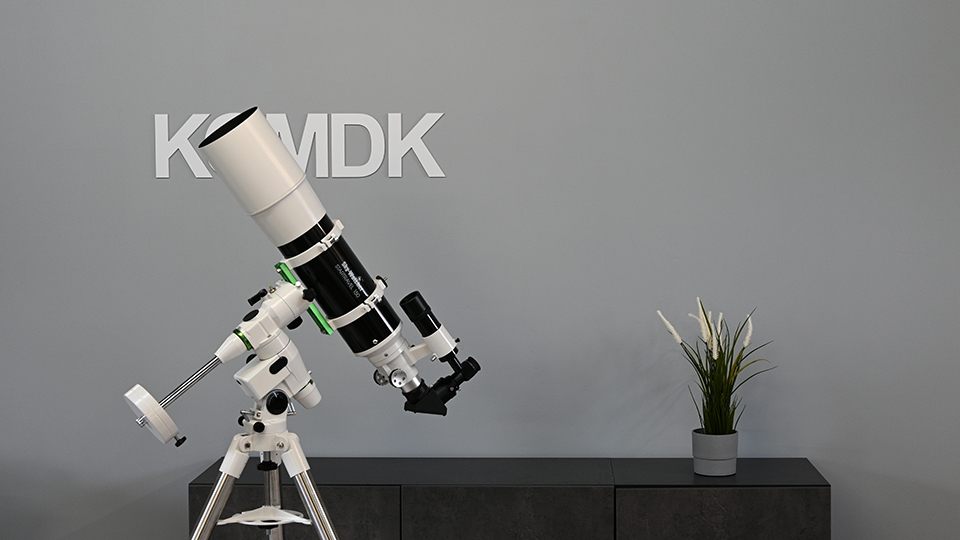
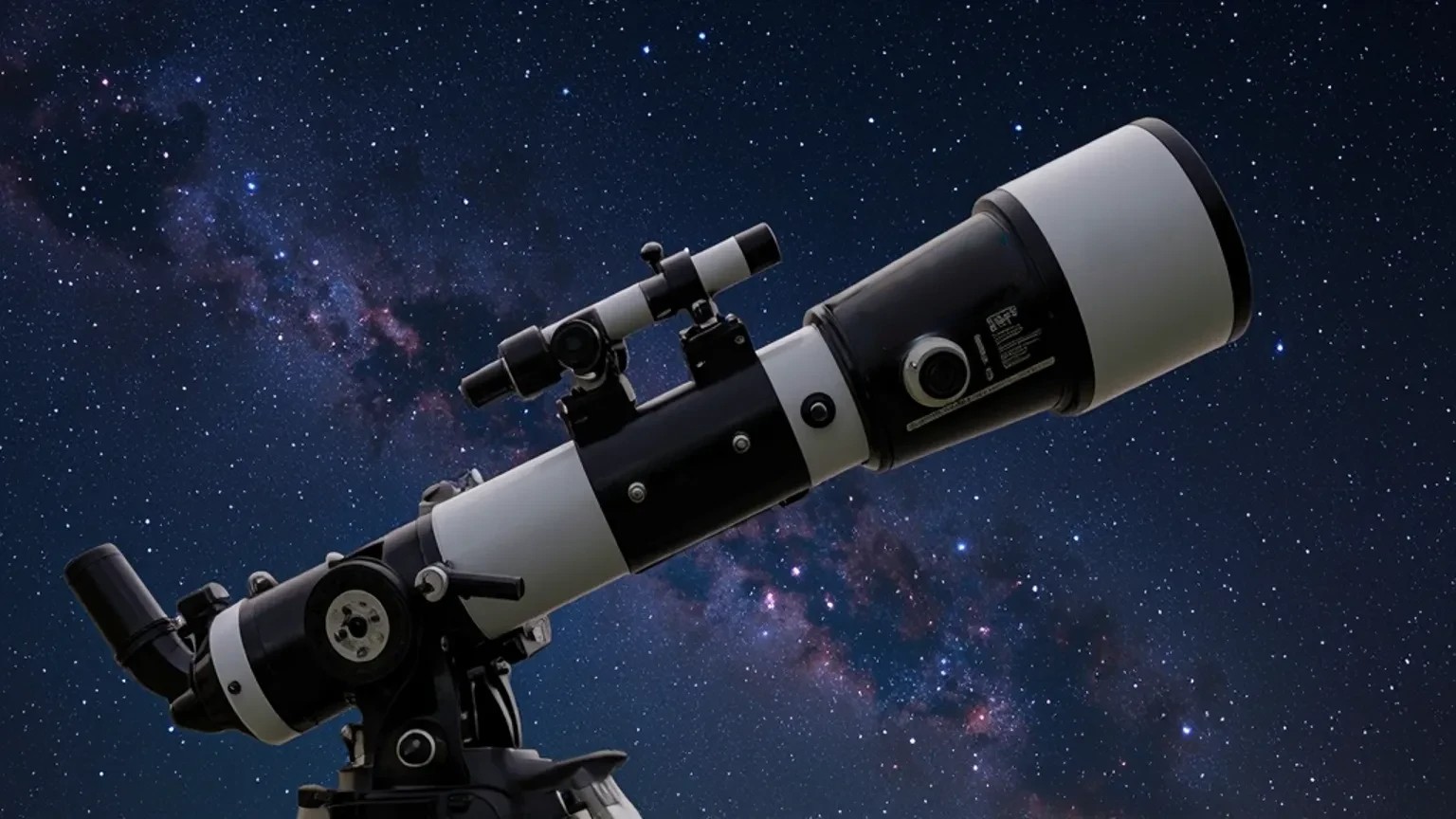
The telescope is suitable for both deep-sky (faint objects) and for viewing the Moon and planets, which require magnification. Since you look into the end of the telescope (see the picture), this is also suitable for shorter people.
Reflector:
Perhaps the best buy for beginners, as you get a capable deep-sky telescope that doesn’t take up too much space. It also has decent magnification, so it can also be used for the Moon and planets, but here some of the other types are better. Since you look into the telescope near the opening, larger reflector telescopes can be difficult to use. Especially if you are not very tall.
Dobsonian:
Here you get the most telescope for your money, but still, one of the other telescope types will be better for most people. This is because these telescopes are large and cumbersome to move, and they are not suitable for astrophotography. The great strength of the Dobsonian telescope lies in the fact that for little money you get a telescope that can show deep-sky objects, which would require much more expensive telescopes if you choose the other types.
Cassegrain:
The best telescope on all parameters except price. It is compact and you look into the end of the telescope, so it is easy to access. In addition, it clearly has the best magnification, it is also OK for deep-sky objects, and it is also excellent for astrophotography. But it is significantly more expensive than the other telescopes.
Apps:
There are many excellent apps both for mobile use and for computers. Use e.g. Stellarium, SkyView, or Star Walk
Conclusion: The universe awaits
Astronomy is both discovery and reflection. You don’t need to understand everything to be moved by the grandeur of the sky. Look up, and let curiosity take you on the journey.