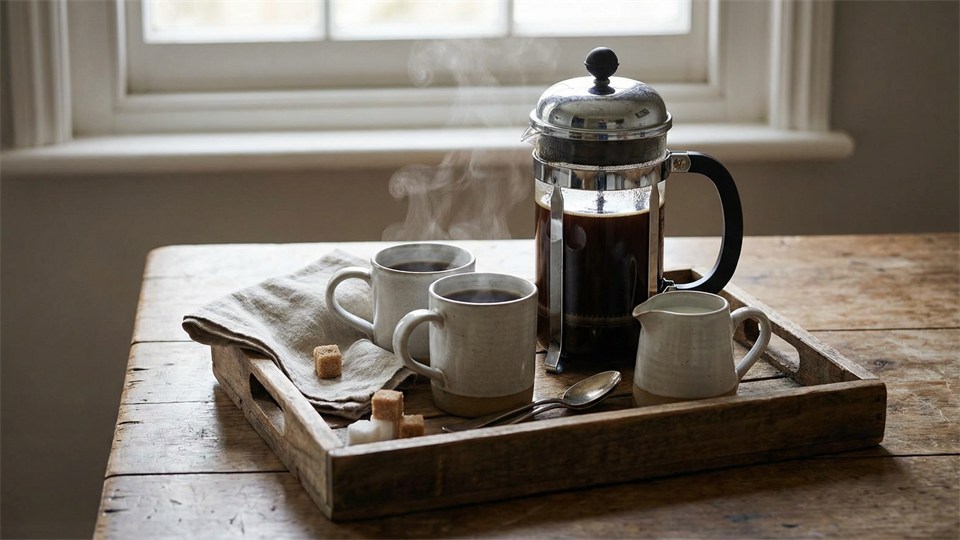


The French press, also known as a cafetière or press pot, is one of the most popular and accessible methods for brewing coffee at home. With just coffee, water, and a simple glass pot with a plunger, you can make tasty, full-bodied coffee without advanced equipment. But even though the method is simple, it takes a bit of technique to achieve the perfect cup. In this guide, you’ll learn how to choose the right coffee, dose correctly, control the water, and get the best out of your French press – step by step.
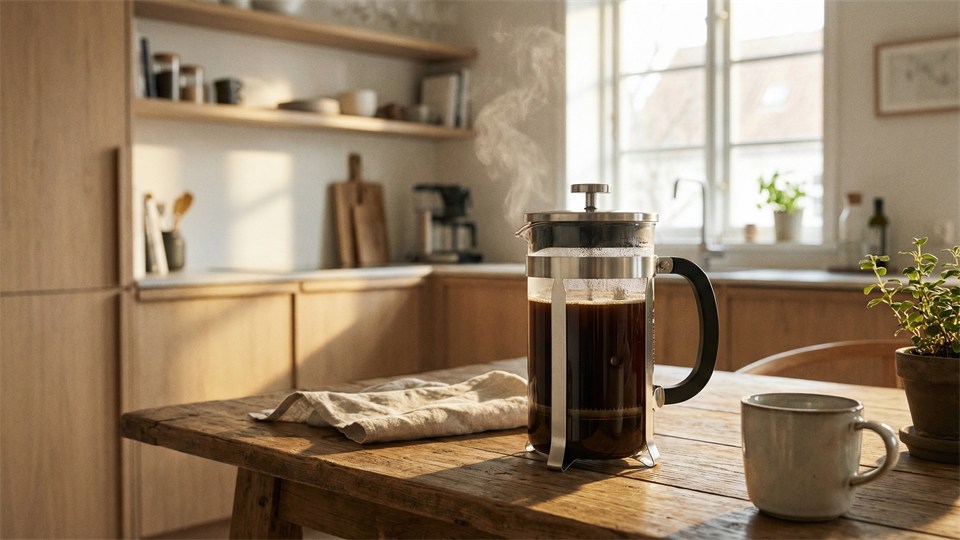
A French press is a glass pot with a metal mesh plunger that presses the coffee down after brewing. It was invented in France at the beginning of the 1900s and has since gained popularity all over the world. The French press allows you to brew coffee without a paper filter, which means more oils and flavors from the beans end up in your cup. The result is a rich, aromatic coffee with more body and character than filter coffee. At the same time, the brewing method is both economical and environmentally friendly, as no disposable filters are used.
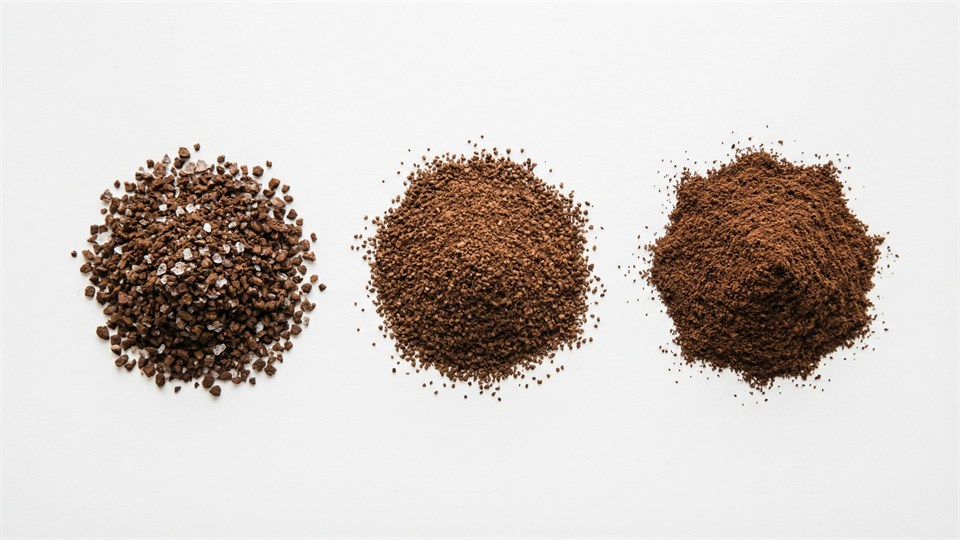
The quality of your coffee depends on the freshness of the beans and the grind size. For a French press, you should choose whole beans and grind them coarsely just before brewing. Coarse ground coffee ensures that the plunger doesn’t get stuck and that not too many muddy particles end up in your cup. Preferably use specialty coffee from a local roaster or the freshest bag from the supermarket – and avoid coffee that is too old or pre-ground, as the flavor quickly disappears after opening.
The French press requires a coarse grind – about the size of coarse sea salt. Too fine a grind makes the coffee muddy and can make it difficult to press the plunger down. You can experiment with different types of beans, but medium and dark roasted beans often provide a good balance of sweetness, acidity, and bitterness in the French press. Arabica beans are popular for their rounded and nuanced flavor profile, while robusta gives more bitterness and "body".
The right dosing is crucial for flavor. A classic rule of thumb is 60 grams of coffee per liter of water. For a standard 1-liter French press, this equals about 8 tablespoons of coarsely ground coffee. For smaller presses, you can use 1 tablespoon (about 7-8 grams) per 125 ml of water. Use a kitchen scale for precision, especially if you want to experiment to find your preferred strength. For stronger coffee, you can increase the amount slightly, but avoid overdosing, as it can make the coffee bitter.
Experiment and find your preferred strength. Remember, both bean type, roast, and personal taste play a role.
Water makes up over 98% of your coffee, so quality is important. Always use fresh, cold tap water or filtered water, especially if your tap water is very hard. The water temperature should be between 92 and 96 degrees Celsius – just below boiling point. Water that is too hot can make the coffee bitter, while water that is too cold gives a flat and sour cup. If you don’t have a thermometer, let the water cool for 30-60 seconds after boiling before pouring it over the coffee.
To bring out the best flavor, the coffee should steep for 4-5 minutes. Here is a simple guide:
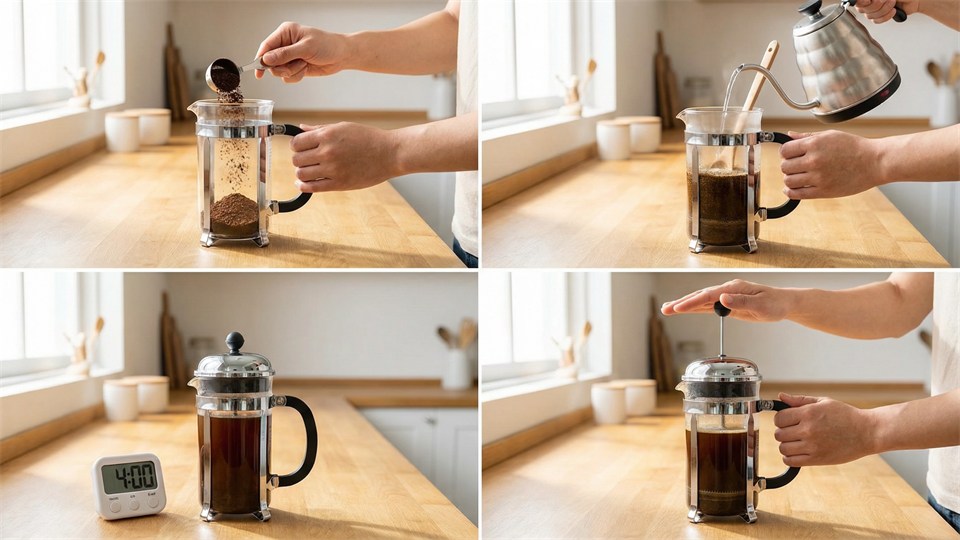
Even small mistakes can affect the result. Here are the most common problems – and how to solve them:
Experiment with grind size and steeping time until you find what suits your taste.
A clean French press is essential for good flavor. After brewing, you should take the press apart, rinse all parts, and remove the coffee grounds. Wash the glass and metal parts with hot water and mild dish soap. The plunger can be disassembled so you can thoroughly clean the filter and seals. Let all parts dry completely before reassembling the press. A French press that isn’t cleaned properly can give rancid or sulfur-tasting coffee next time.
The French press is a fantastic tool for both beginners and coffee enthusiasts. With a few adjustments and a little attention to detail, you can brew rich, aromatic coffee at home – every time. Remember the four basic rules: fresh beans, coarse grind, correct dosing, and the right brewing time. Then you’ll get a cup of coffee that’s both easy to make and full of flavor. Happy brewing!