
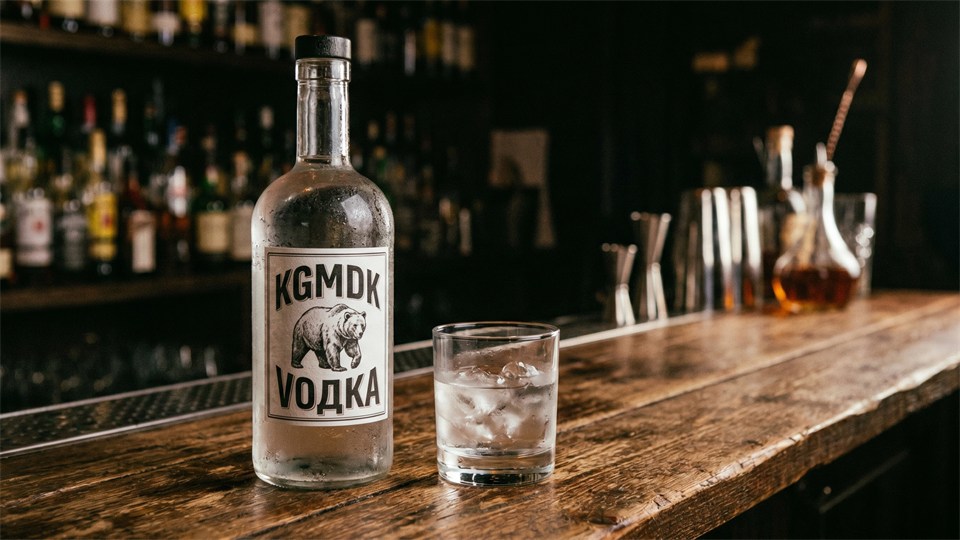


Vodka is often described as a neutral spirit, but that picture is only part of the truth. For beginners, vodka may seem simple compared with more aromatic drinks, but its clean style is exactly what makes it interesting. Small differences in raw materials, distillation, filtration, and alcohol strength can change the aroma, mouthfeel, and finish. Some vodkas are soft and slightly sweet, while others are dry, peppery, or almost mineral in character. That is why vodka is not just something you mix into cocktails. It can also be tasted neat, served chilled, and used deliberately in food and drinks where its purity is an advantage. In this guide, you will get a simple and practical introduction to vodka, so you can better understand what it is, how it is made, and how to choose a bottle that suits your needs.
Vodka is a clear spirit that is typically bottled at around 37.5 to 40 percent alcohol, although some versions are higher. The basic idea behind vodka is that it should be clean, relatively neutral, and without strong cask influence. Unlike, for example, whisky and rum, vodka is normally not aged in wooden barrels, and therefore it does not develop the same notes of vanilla, caramel, or smoke. Instead, vodka is about purity, balance, and texture. It is made by fermenting sugar or starch from a raw material, which is then distilled so the alcohol is concentrated. The result is often further refined through filtration to create a softer and more consistent spirit. Many people think all vodkas taste the same, but in practice there are differences in how round, sharp, dry, or creamy a vodka feels in the mouth. That makes vodka a good beginner’s spirit, because it is easy to approach while still being interesting to explore.
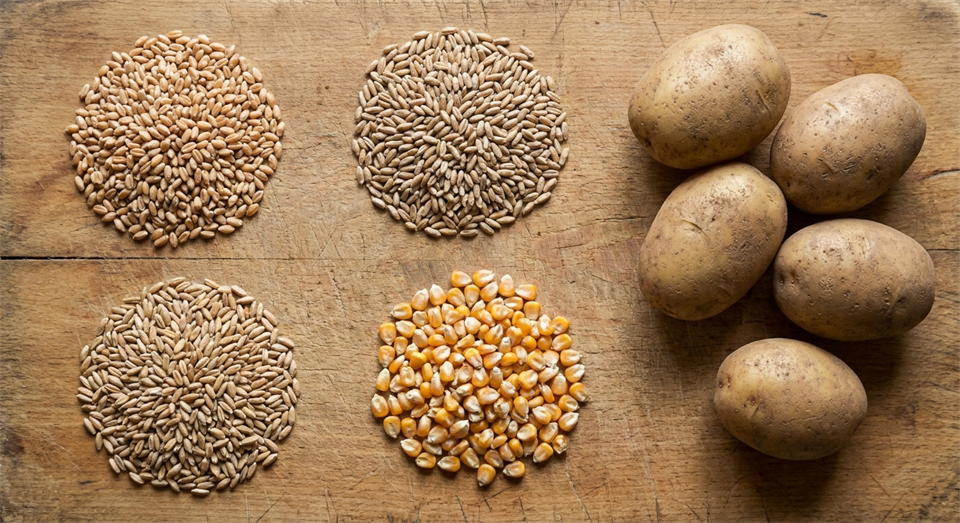
Vodka can be made from many different raw materials, as long as they contain sugar or starch that can be converted into alcohol. The most common are grains such as wheat, rye, and corn, but potatoes are also used, and some producers work with grapes, sugar beets, or other agricultural products. The raw material often leaves a subtle mark on the finished spirit, even when the vodka has been distilled many times. Wheat often gives a soft and rounded style, while rye can provide a spicier character and a drier finish. Potatoes are often associated with a fuller and creamier mouthfeel, which some people prefer for serving neat. Corn can come across as mild and slightly sweet. For beginners, it is a good idea to taste two or three different types side by side. That way, it becomes clear that neutral does not mean flavorless. Even subtle differences can be easy to notice when you compare directly in small glasses at the same temperature.
Once the raw material has fermented, the liquid is distilled into a strong base spirit. The higher the level of purity the producer aims for, the more neutral the result becomes. Some brands highlight multiple distillations as a mark of quality, but more distillations do not automatically mean better flavor. A very heavily refined vodka can feel extremely clean, but it can also lose some of its character. That is why quality is not only about how many times the spirit has been distilled, but about the balance between purity and personality. The water used to dilute the alcohol down to bottling strength also plays an important role. Soft water can give a more rounded experience, while mineral-rich water can in some cases affect the texture. Consumers often look at the label for impressive words, but the most important thing is still how the vodka actually tastes and feels when it is drunk.
The production of vodka begins with preparing the raw material so the sugar can ferment. Grains are typically milled and treated with hot water and enzymes so the starch is converted into fermentable sugar. Potatoes are boiled or steamed and processed in a similar way. Yeast is then added, which converts the sugar into alcohol and aromas. The fermented liquid is then distilled in pot stills or column stills, where the alcohol is separated and concentrated. After distillation, the vodka is often filtered through, for example, charcoal, cellulose, or other materials to remove unwanted flavor compounds and make the profile cleaner. Finally, the spirit is blended with water so it reaches the desired alcohol percentage. Some producers choose a very neutral style, while others preserve a little more of the raw material character. For beginners, it is useful to know that both distillation and filtration affect the result. A vodka is therefore not just alcohol and water, but a product of many choices made throughout the process.
Vodka rarely has a big and intense aroma, but it can still be described with precise words. When you taste vodka, you can notice whether it smells clean, slightly alcoholic, grainy, peppery, or faintly sweet. In the mouth, texture is at least as important as flavor. Some vodkas feel silky smooth and almost oily, while others seem lighter, drier, and more direct. The finish can be short and neutral or longer with spicy notes. If the vodka is harsh, sharp, or burning without balance, it is often experienced as less pleasant to drink neat. A good vodka does not have to be completely without bite, but the alcohol should be integrated. For a beginner, it is smart to taste small amounts slowly and at different temperatures. An ice-cold vodka often seems more closed and softer, while a lightly chilled vodka shows more nuance in aroma and flavor. That makes the tasting more educational and more interesting.
Pour a small amount of vodka into a clean glass and let it sit for a minute before smelling it. First take a gentle sniff so the alcohol does not overpower the impression. Then taste a small sip and let it roll around your mouth for a moment. Notice whether it feels soft, dry, warm, spicy, or creamy. Try comparing a wheat vodka with a potato vodka and a rye vodka. Even if the differences seem small at first, they become clearer with a little practice. Tasting does not have to be formal. The most important thing is that you learn to put your own experiences into words. If you prefer a soft and neutral style, that may be the right vodka for you, even if another person would rather have more spicy character.
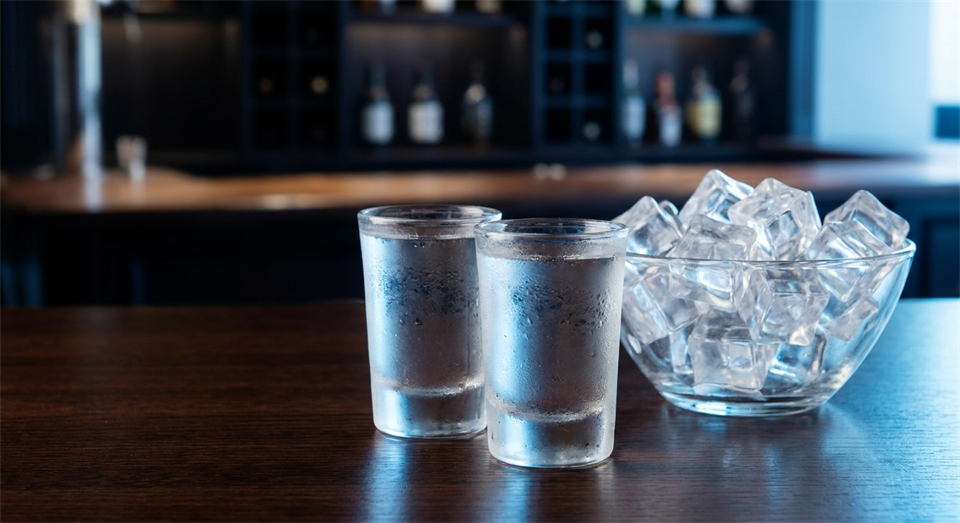
Vodka can be served in several ways, and the best method depends on both quality and purpose. Many people prefer vodka very cold because the chill softens the sharpness of the alcohol and gives a clean, almost velvety experience. This is especially popular if the vodka is drunk neat in small glasses. If, on the other hand, you want to examine the flavor more closely, it is better to serve it lightly chilled rather than ice-cold. Then the aroma and structure are easier to detect. Vodka also works well over ice in a larger glass, where it slowly dilutes and becomes milder. For cocktails, temperature is important because a well-chilled vodka provides freshness and balance. Feel free to use clear ice cubes and clean glasses, as vodka’s simple profile makes small mistakes more obvious. A bad smell from the freezer, old ice, or a soapy glass can quickly ruin the experience. Simplicity often requires a little more care, precisely because there is not much to hide behind.
One of vodka’s greatest strengths is its versatility in mixed drinks. Because it does not dominate with a strong aroma of its own, it can lift other ingredients without stealing the spotlight. That makes vodka an obvious choice in simple serves such as vodka with sparkling water, tonic, citrus, or juice. It is also used in many classic cocktails, where the goal is to create a clean and balanced base. For beginners, vodka is therefore often easier to work with than more distinctive types of spirits. A good rule of thumb is to choose a reasonably good-quality vodka if the drink is simple, because otherwise the flavor can quickly become rough. In a drink with few ingredients, the difference between a soft and a sharp vodka can be obvious. At the same time, you do not need to choose the most expensive bottle for everything. For more complex cocktails, a mid-range vodka can be an excellent choice, as long as it is clean and well balanced.
If you want to start simply, you can try vodka with sparkling water and a slice of lemon or lime. That gives a fresh and dry drink where the spirit can still be noticed. You can also mix vodka with cranberry juice for a softer and fruitier style, or with ginger beer for more spicy freshness. If you want to make better drinks at home, think about the balance between acidity, sweetness, and strength. Freshly squeezed citrus almost always tastes better than ready-made juice, and plenty of ice makes the drink more precise and refreshing. Vodka is also useful in the kitchen for infusion projects, where it can draw flavor from citrus peel, vanilla, or berries. It is a simple way to experiment without having to learn advanced bartending first.
It can be difficult to choose among many bottles, especially because marketing often promises extra purity, luxury, or unique filtration methods. As a beginner, you should first think about how the vodka will be used. If it is to be drunk neat, it is worth looking for a bottle with a soft texture and good balance. If it will mainly be used in drinks, it does not need to be expensive, but it should still be clean and without a harsh finish. Feel free to read the label for information about raw material and alcohol percentage, but do not trust polished wording blindly. The best advice is to taste your way forward if you have the opportunity. A mid-priced vodka can be excellent, while an expensive bottle does not necessarily suit your taste. Look for reviews that focus on mouthfeel and balance rather than only prestige. It is also an advantage to start with a few different styles, so you learn whether you prefer grain-based elegance, the dryness of rye, or the fullness of potato.

Vodka is relatively easy to store because the high alcohol percentage makes it shelf-stable. An opened bottle can typically keep for a long time if it is tightly closed, kept in the dark, and stored at a stable temperature. Direct sunlight and a lot of heat are still a bad idea, however, because over time they can affect the quality. Many people store vodka in the freezer, and that can be fine, especially if you prefer it very cold. The alcohol percentage is usually high enough that it does not freeze solid, but it becomes thicker and more viscous. If you want to taste the nuances better, you can instead store the bottle at room temperature and chill it shortly before serving. Also make sure to use clean glasses and fresh ice. It sounds trivial, but vodka quickly reveals impurities, odors, and poor hygiene in the serving. A simple spirit rewards simple but careful handling.
Vodka is easy to approach, but it is not boring once you start noticing the details. Raw materials such as wheat, rye, corn, and potatoes give different expressions, and the producer’s choices of distillation, filtration, and water affect the final style. That is why vodka can be both a neutral base in drinks and a spirit worth tasting neat in peace and quiet. For beginners, the best starting point is to try a few different bottles, serve them properly, and stay curious about the differences. You do not need to learn complicated theory to get more out of the experience. With a little attention to flavor, temperature, and use, you can quickly find out which type of vodka you prefer. That is exactly what makes vodka a good entry into the world of spirits: simple on the surface, but full of small nuances
er, when you give it time.