
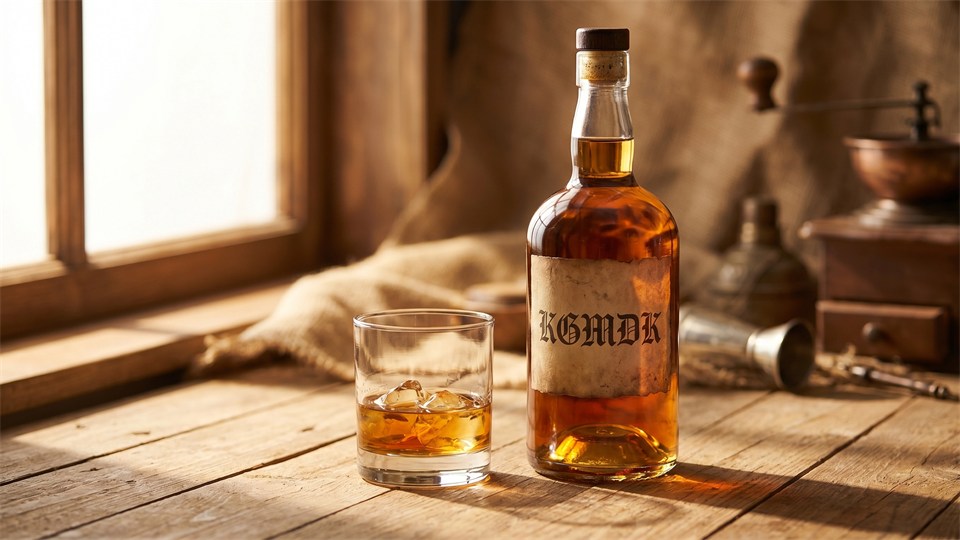


For many people, rum is associated with tropical cocktails, holidays, and sweet flavors, but this spirit has far more to offer than that. Rum is a diverse drink with great variation in style, aroma, and quality. Some types of rum are light and delicate, others are dark, spicy, and complex, and some are best suited for drinks, while others can be enjoyed slowly in a glass in the same way as whisky or cognac. For beginners, rum can seem a little confusing because bottles often use different terms, and because the flavor can vary greatly from producer to producer. In this guide, you will get a simple and clear introduction to rum: what it is, how it is made, what types exist, and how best to taste and serve it.
Rum is a spirit made from sugarcane or by-products of sugar production, especially molasses. What makes rum distinctive is therefore its raw material base: sugar. Where whisky is made from grain, and brandy is made from wine or fruit, rum comes from the sweetness of sugarcane. After fermentation, the liquid is distilled, and then it may be aged or bottled young, depending on the style desired. The result is a spirit that can range from fresh, light, and almost grassy to deep, full-bodied, and marked by vanilla, caramel, dried fruit, and spices.
Rum is produced in many parts of the world, especially in the Caribbean, Latin America, and other areas with warm climates and sugar production. Climate also plays a role, because aging in warm regions often happens faster than in cooler areas. Therefore, a rum aged only a few years can develop pronounced barrel notes. At the same time, rum is a category with a great deal of freedom, and the rules are not always equally strict from country to country. This means that two bottles of rum can be very different, even if they look similar on paper. That is exactly why it is useful to know the basic types and terms.
The production of rum begins with sugarcane. Some producers use freshly pressed sugarcane juice, while many others use molasses, which is a dark and sweet by-product of sugar production. Both can become good rum, but they often produce slightly different expressions. Sugarcane juice can give a fresher and more vegetal style, while molasses often gives a rounder, darker, and more caramelized character. Once the raw material has been chosen, yeast is added, which converts the sugar into alcohol during fermentation.
The length and method of fermentation greatly affect the flavor. A short fermentation can produce a clean and light style, while longer and more controlled processes can create more aromatic compounds and greater complexity. After fermentation, the liquid is distilled, typically either in a pot still or a column still. Pot stills often produce a heavier and more characterful rum, while column distillation typically creates a lighter and more elegant style. Many producers blend distillates from both methods to achieve a balance between body and finesse.
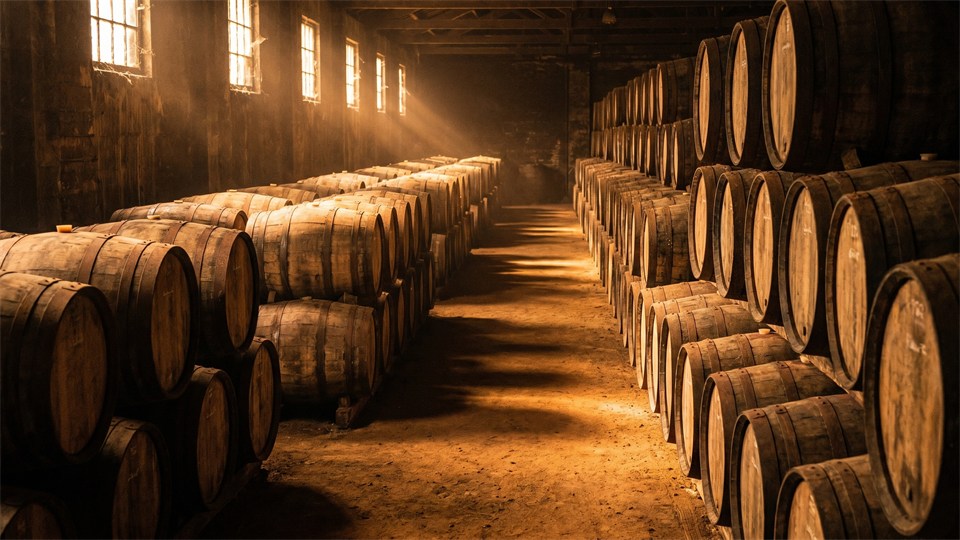
After distillation, rum can either be bottled clear or aged in barrels. Unaged rum is often called white or light rum, although it is not always completely neutral in flavor. Aged rum gains color and extra aroma from the wood, often used oak barrels that may previously have held bourbon or other types of spirits. During aging, notes of vanilla, wood, caramel, nuts, and spices develop. Some producers filter the color out again, so an aged rum can appear almost clear even though it has actually been in a barrel.
Before bottling, the rum is sometimes adjusted with water to reach the desired alcohol percentage. Some producers also blend different barrels and ages to create a particular house style. In other words, it is not only age that determines quality, but also raw materials, distillation, barrel choice, and the producer’s craftsmanship. For beginners, it is therefore a good idea to focus more on flavor and style than only on the number on the label.
White rum is often the most commonly used type in cocktails. It is typically light, fresh, and relatively clean in flavor, which makes it well suited to drinks where you want the character of the alcohol without too much barrel influence. Many think of white rum as neutral, but there can still be clear notes of sugarcane, citrus, pepper, and light sweetness. A good white rum works well in classic mixes with lime, sugar, and soda water, but can also be used in simpler serves where its freshness is allowed to stand out.
For beginners, white rum is a fine place to start, especially if you normally drink cocktails rather than neat spirits. It is easier to understand and less dominated by wood and spice than darker versions. At the same time, it can show how different rum actually can be, because some white rums are soft and mild, while others are more lively and aromatic.
Gold rum and dark rum are broad terms that cover aged styles with more body and depth. Gold rum often has a medium-bodied profile with notes of honey, vanilla, caramel, and light spices. Dark rum is usually more intense, with flavors of brown sugar, dried fruit, toasted wood, cocoa, or molasses. These types of rum are used both in drinks and for drinking neat, depending on quality and style.
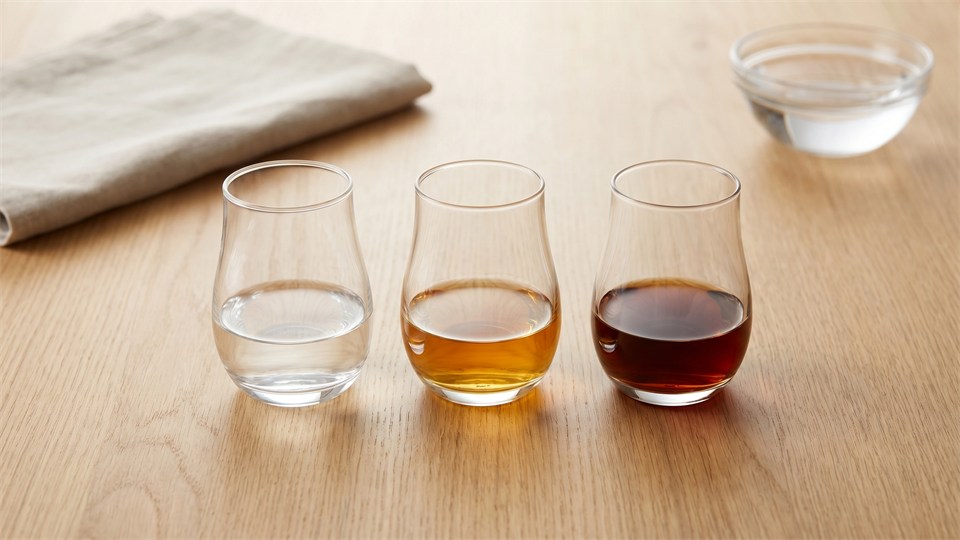
It is important to remember that color does not always tell the whole truth. Some rums get extra color from the barrel, while others may have caramel coloring added to appear darker. Therefore, the tasting experience is more important than appearance alone. If you want to get to know rum, it can be exciting to taste a light, a gold, and a dark rum side by side. Then the differences become very clear.
As you move further into the world of rum, you will often encounter aged rum, sipping rum, and spiced rum. Aged rum can be dry, complex, and well suited to enjoying neat in small sips. It can resemble other barrel-aged spirits, but often has a rounder core more marked by sugarcane. Sipping rum is not a technically protected category, but is often used for rum intended to be drunk neat rather than mixed.
Spiced rum is infused with spices and sometimes also sweetness. Here you may encounter flavors of vanilla, cinnamon, clove, orange peel, or nutmeg. This type is popular among beginners because it is easy to approach and often tastes soft and dessert-like. On the other hand, it is less suitable if you want to understand rum’s natural basic flavor. Therefore, it can be a good idea to try both a spiced version and a more classic, unsweetened rum in order to feel the difference.
Tasting rum does not have to be formal, but a little attention makes the experience better. Start by pouring a small amount into a glass, preferably a small tulip-shaped glass or a regular spirits glass that concentrates the aroma. First look at the color, if the rum is aged. Then smell it gently without putting your nose too far into the glass, as the alcohol can otherwise overpower the aromas. Try to find notes such as vanilla, caramel, banana, coconut, dried fruit, pepper, or wood.
Then take a small sip and let the rum move around in your mouth. Think about whether it seems dry or sweet, light or full-bodied, soft or sharp. Some rums are very smooth and round, while others have more bite and warmth. The finish is also important: does the flavor disappear quickly, or does it linger with new nuances? As a beginner, you do not need to put perfect words to everything. The most important thing is to notice what you yourself experience, and whether you prefer freshness, sweetness, spice, or barrel character.
A good aged rum can easily be enjoyed neat at room temperature. That gives the most direct experience of aroma and structure. If the alcohol seems too sharp, a few drops of water can open up the flavor and make the rum more approachable. Some also prefer rum over a large ice cube, which slowly chills and dilutes the drink. That can be a good solution for beginners, because the rum becomes milder and easier to approach.
There is no single right way to drink rum. If you like it best with ice, that is completely fine. The point is to find a serve in which you can actually enjoy the flavor. Many start with rum in a simple serve and later move on to tasting it neat, when the palate has become more accustomed to spirits.
Rum is also excellent in drinks, and for beginners, simple combinations are often the best. White rum with lime and sparkling water makes a fresh and light drink where the rum’s clean profile can still be noticed. Gold rum with ginger beer or dark rum with cola are other classic and accessible choices. A simple drink makes it easier to understand what the rum contributes than a very complex cocktail with many ingredients.
If you want to learn the difference between types of rum, you can try the same simple drink with different bottles. For example, a drink with lime can taste markedly different depending on whether you use a light white rum or a fuller aged rum. It is a fun and practical way to train your palate without making it complicated.
When buying your first or next bottle of rum, it is smart to think about how you want to use it. If it is mainly for drinks, a good white or gold rum is often a safe choice. If you would like to taste rum neat, then look for an aged rum with a reputation for balance and smoothness. Read the label, but do not let marketing confuse you too much. Words like premium or reserve sound impressive, but do not always say enough by themselves.
It can also pay off to start with smaller ambitions and greater curiosity. You do not need to buy the most expensive bottle to learn something. A good beginner tasting can consist of three different styles: a white rum, an aged rum, and a spiced rum. That way, you quickly get a sense of what you personally like best. Feel free to note your impressions, because it helps surprisingly much when you later have to choose again.
Rum is a versatile spirit with room for both the simple and the complex. It can be fresh and light, dark and deep, dry or sweet, and it works both in drinks and as something to enjoy at a relaxed pace. For beginners, the most important thing is not to know every detail, but to understand the basic differences between the types and begin tasting consciously. Once you learn to recognize notes of sugarcane, vanilla, caramel, spice, and wood, rum becomes far more exciting.
Start simply, taste your way forward, and stay curious. Rum does not have to be difficult to get into, and the more you try, the clearer it becomes which styles suit your taste. That is exactly part of the charm of rum: there is almost always a new bottle, a new style, or a new flavor experience to discover.