

DA | EN | DE | FR | ES

Øl Læs om øltyper, smagsprofiler og madparring. Artikler om alt fra IPA til ølbrygning.

Beer and Food: The Perfect Pairing How to Match Beer and Food for Greater Flavor Experiences

mad og drikke Øl
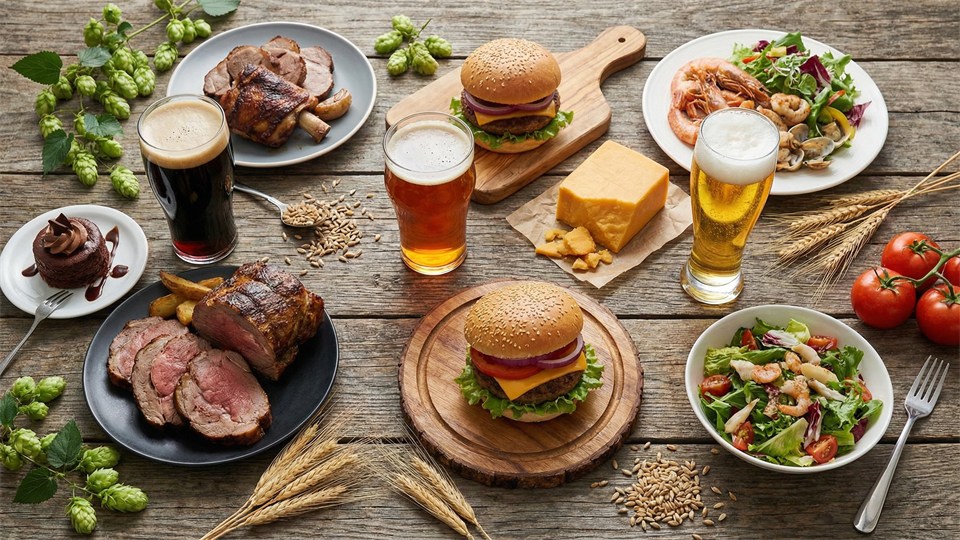
Beer and Food: The Perfect Pairing Title Image

Introduction: Beer and Food – More Than Just a Drink with Your Meal

Beer and food are a classic duo, but all too often we just pick a random beer for our meal – or vice versa. Just as wine can transform a meal, beer can also elevate the taste experience if you choose the right type. But how do you find the best combinations? In this article, you’ll get a thorough, practical, and accessible guide to matching beer and food, so you can create harmonious, surprising, and unforgettable taste experiences – whether you’re a beginner or just curious.

Why Pair Beer and Food?

When beer and food are matched correctly, they can enhance each other’s flavors, balance strong or fatty elements, and create entirely new nuances. With its wide flavor range from light pilsners to robust stouts, beer has pairing potential at least as great as wine’s. The most important elements to consider are:

  • Flavor intensity: Match strong food with strong beer and light food with light beer to avoid one part dominating.
  • Complementary flavors: Find beers that highlight or balance elements in the food – for example, sweetness, acidity, bitterness.
  • Contrast: Sometimes opposites can also give exciting results, such as when a sour beer cuts through fatty food.

The goal is to achieve balance – not for one to overpower the other.

Basic Principles for Matching Beer and Food

1. Match Intensity – Strength to Strength

Light beer types, such as pilsner or wheat beer, are best suited to light dishes like fish, salads, and white meat. More flavorful beers, such as IPA or porter, can handle spicy dishes, grilled food, or stews. If you serve a strong beer with a delicate dish, you risk the beer overpowering the food – and vice versa.

2. Think About Flavor Profiles

Beer offers a wealth of flavor impressions: sweetness, bitterness, acidity, spice, roastiness, and fruitiness. Try to match these with similar or complementary flavor notes in the food. A caramel-like brown ale, for example, can highlight the sweet tones in roasted pork, while a citrus-fresh IPA can balance spicy Asian food.

3. Use the Beer’s Carbonation and Freshness

The carbonation in beer acts as a “palate cleanser,” refreshing your taste buds between bites. This makes beer especially suitable for fatty and heavy dishes – for example, fried foods, cheese, or barbecue.

Table with beer types and suitable dishes

The Most Common Beer Types and Their Best Food Partners

Pilsner and Light Lagers

Pilsner is light, refreshing, and subtle in flavor, often with a mild bitterness. This makes it a safe choice for many dishes, especially where the food shouldn’t be overpowered. Try pilsner with:

  • Fish and shellfish (e.g. steamed salmon, shrimp)
  • Light chicken (grilled or poached)
  • Salads – especially with fresh, green ingredients
  • Lightly spiced Asian dishes

Wheat Beer (Weissbier, Witbier)

Wheat beers are often fruity and light with a soft mouthfeel and mild acidity. They are wonderful with:

  • Salads with citrus or fruit
  • Light fish dishes
  • Lightly spiced dishes, e.g. Thai soup
  • Fresh cheeses (e.g. mozzarella or feta)

India Pale Ale (IPA)

IPA is characterized by strong hops, bitterness, and often citrus or tropical fruit notes. IPA can lift and balance:

  • Spicy food (e.g. Mexican, Indian, or spicy pizza)
  • Grilled meat, especially pork or chicken with BBQ sauce
  • Burgers and fried dishes
  • Fatty fish like salmon or mackerel

Brown Ale and Red Ale

These beer types typically have notes of caramel, nuts, and roasted grains, making them suitable for:

  • Roast pork or duck
  • Roasted vegetables and root vegetables
  • Hearty pasta dishes with mushrooms
  • Soft cheeses (e.g. brie, camembert)

Porter and Stout

These dark beers offer chocolate, coffee, and roasted malt flavors that match strong, deep flavors in food. Try them with:

  • Beef (e.g. steak or stew)
  • Barbecue and grilled food
  • Smoked dishes
  • Desserts with chocolate or coffee
Beer tasting with small dishes on a board

How to Pair Beer and Food Yourself

1. Start with the Food or the Beer?

You can start with either the dish or the beer – ask yourself: Do I want to highlight the food’s flavor, or let the beer take center stage? If you have a special beer you want to showcase, choose a dish that supports its character. Conversely – if your menu is set, find a beer that matches the dishes’ intensity and flavor profile.

2. Do Small Tastings

A fun way to learn to match beer and food is by doing small tastings. For example, pair three different beers with the same dish and notice how the taste experience changes. You can try with:

  • Light lager, IPA, and stout with roast chicken
  • Wheat beer, brown ale, and porter with a mushroom risotto

3. Use Beer in the Food

An extra dimension arises when you use beer as an ingredient – for example, in stews, marinades, or baking. It gives both cohesion and depth to the meal. Try making a beer-braised beef stew and serving it with the same beer in the glass.

Concrete Examples of Good Combinations

  • Fish and chips + pilsner: The pilsner’s carbonation and lightness cleanse the palate of fried food and highlight the mild flavor of the fish.
  • Burger with cheddar + IPA: The bitter hops balance the cheese’s richness and the juiciness of the burger.
  • Grilled lamb with herbs + brown ale: The sweet, nutty tones highlight both the lamb and the herbal seasoning.
  • Chocolate cake + stout: The stout’s roastiness and chocolate notes add extra depth to the dessert.
  • Salad with goat cheese and walnuts + wheat beer: The wheat beer’s fruitiness matches the cheese and nuts without dominating.

Tips for Experimenting and Developing Your Taste

The best thing about beer and food is that there are rarely strict rules – only guidelines and inspiration. Here are some tips on how to get better at matching yourself:

  • Try things out: Taste different beer types with the same dish and note what works best.
  • Use your senses: Smell the beer, taste it before and after a bite of food – notice what happens.
  • Be curious: Read labels, ask in specialty shops or at breweries for recommendations.
  • Invite friends: Do small beer and food tastings together and share your experiences.

Conclusion: Make Beer and Food an Experience

Matching beer and food is a sensory game, where there’s room for both classics and surprises. With the right basic principles and a bit of curiosity, you can transform your meals into something special – whether it’s an everyday dinner or a celebration. Start with simple combinations, and gradually build up with more complex dishes and beer types. Explore, taste, and enjoy – there’s no answer key, only good experiences. Cheers and enjoy!

Similar articles

Beer for Beginners
Øl
Beer for Beginners
From Lager to IPA
Beer and Food: The Perfect Pairing
Øl
Beer and Food: The Perfect Pairing
How to Match Beer and Food for Greater Flavor Experiences
The Most Popular Beer Types Explained
Øl
The Most Popular Beer Types Explained
A Beginner's Guide to Classic Beer Styles
How to Taste Beer Like an Expert
Øl
How to Taste Beer Like an Expert
Learn to assess beer with your nose, palate, and eyes

You might also like

Astrology
Astrologi
Astrology
A Window to the Universe
World History According to KGM.DK
Verdenshistorie
World History According to KGM.DK
From the Big Bang to Covid
Rosé Wine
Vin
Rosé Wine
Rosé Wine: From Summer Drink to Serious Wine Experience
USB Sticks
Hardware
USB Sticks
From Type-A to USB-C and Everything In Between