

Belgian beer holds a very special place in the world of beer. With roots stretching back to the Middle Ages, Belgium is known for its impressive variety, artisanal traditions, and beer styles you won’t find anywhere else. Whether you are a beginner or a curious beer enthusiast, Belgian beer opens the door to a unique taste experience – from sour lambics and fruity saisons to the complex, strong Trappist beers. In this article, you’ll get a solid overview of Belgian beer: its history, the most important beer styles, how they are brewed, and how best to enjoy them.
Belgium has been brewing beer for more than a thousand years. As early as the Middle Ages, monasteries were the driving force behind brewing, and many of the most famous Belgian beers still have ties to monasteries or Trappist orders. Unlike many other beer countries, Belgium has always had a free and experimental approach to brewing. Unique ingredients such as spices, sugar, and wild yeast are often used, giving the beer a special character. Despite the country’s small size, there are more than 300 breweries and thousands of beer varieties.
An essential part of Belgian beer culture is respect for tradition – but also the courage to experiment. Belgian beer is about taste, aroma, and experience rather than following strict style rules. That’s why two beers with the same name or type can taste very different depending on the brewery.
Belgian beer spans a wide range – from light, pale beers to dark, high-alcohol specialties. Here’s an overview of some of the most notable beer styles you may encounter:
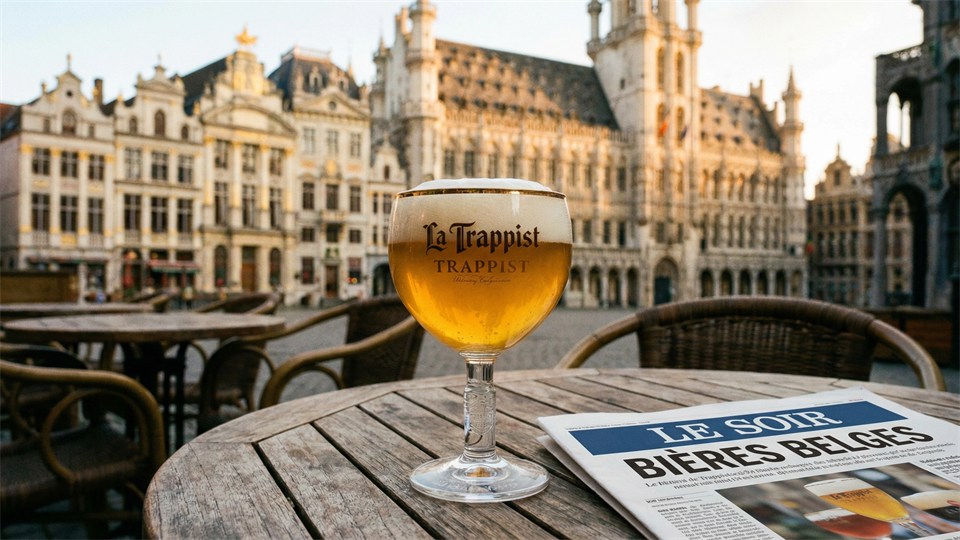
Trappist beer is among the most famous Belgian beers. They are brewed at monasteries where Trappist monks oversee production. There are only 6 Trappist monasteries in Belgium allowed to carry the official "Trappist" label, including Westvleteren, Chimay, and Orval. Trappist beers are typically strong and complex, with nuances of malt, fruit, and spice. They come in various strengths – from pale, light "Enkel" to dark, strong "Quadrupel".
Lambic is a special type of beer brewed only in the area around Brussels. Here, wild fermentation is used – meaning the beer ferments with natural yeast cells from the air, instead of added yeast cultures. This gives a sour, dry, and complex flavor. Lambic can be drunk "young" or blended and aged to become gueuze, which has a sparkling, wine-like character. Fruit lambics, where cherries (kriek) or raspberries (framboise) are added, are also popular.

Saison originates from Wallonia, the French-speaking part of Belgium, and was originally brewed on farms for the hard-working farm laborers. Saison is fresh, lightly spiced, and fruity with a dry finish. The alcohol content typically ranges between 5 and 7%. The yeast often gives notes of pepper, citrus, and herbs. Saison has become popular far beyond Belgium’s borders and is now brewed all over the world.
Dubbel and Tripel are two of the best-known Belgian beer styles. A Dubbel is dark, full-bodied, and malt-driven – often with notes of caramel, dark fruit, and light spice. It typically has 6-8% alcohol. Tripel is lighter, stronger (often 8-10%), and more fruity and spicy in flavor. Tripel has a slightly dry finish and a distinct yeast character, which adds to the complexity.
Blonde Ale is a pale, balanced, and easy-drinking beer, often with a mild yeast aroma and subtle sweetness. Golden Strong Ale (like the famous Duvel) is a strong, golden beer with a high alcohol content (8-10%), lively carbonation, and a fruity, wine-like character. Golden Strong Ale is known for its elegance and somewhat "hidden" strength, which makes it dangerously easy to drink.
Witbier – or "white beer" – is a classic Belgian wheat beer that differs from German weissbier by the addition of coriander and orange peel. This gives the beer a refreshing, lightly spiced, and citrusy character. Witbier is cloudy, light, and has a soft, creamy mouthfeel. It is especially enjoyed in summer and is a good choice for beginners.

Breweries in Belgium often use ingredients and techniques that differ from the more "rule-bound" traditions in, for example, Germany and England. Here are some of the most important elements:
This creative approach means that Belgian beer ranges widely: from the easy-drinking and refreshing to the complex and challenging.
Belgian beer is not just for drinking – it’s for experiencing. Here are some good tips to get started exploring Belgian beer:
Belgian beer is excellent with food – both as an accompaniment and in cooking itself. Here are some classic combinations:
Belgian beer is also often used in cooking, for example in classic dishes like "Carbonnade Flamande" (beef braised in dark beer) or mussels steamed in witbier.

If you want to dive deeper into Belgian beer, try visiting specialty shops or beer bars, where the selection is often wide. Taste your way through, and feel free to keep tasting notes so you can find your favorites. Remember, many Belgian beers are strong – enjoy them thoughtfully and in smaller glasses.
If you become particularly interested, you can read up on the different breweries – for example Chimay, Westmalle, Orval, and Cantillon – and discover how diverse even beers within the same style can be.
Belgian beer is not just for beer enthusiasts – it’s for everyone curious about flavor, history, and culture. With its enormous variety, its tradition-rich background, and its ability to surprise, Belgian beer offers something for every taste. Whether you prefer the light and fresh or the strong and complex, you will almost certainly be able to find a Belgian beer that suits you. So next time you’re in front of the beer shelf, give a Belgian beer a chance – and embark on a journey into one of the world’s most exciting beer cultures.
Cheers and enjoy your Belgian beer journey!