

For centuries, beer has been an important part of Canadian culture. Although many associate Canada with snow, nature, and maple syrup, the country also boasts a proud and diverse beer tradition. Canadian beer ranges from light, refreshing lagers to complex ales and innovative specialty brews. Today, Canada is home to hundreds of breweries, each leaving its mark on the beer scene – both locally and internationally. In this article, we guide you through the history of Canadian beer, explain the most popular beer styles, and offer inspiration on how you can experience the taste of Canada for yourself.
Beer brewing in Canada began as early as the 17th century, when French and British colonists brought their own recipes and techniques. The first Canadian breweries emerged in Québec and Ontario, inspired by European traditions but quickly adapted to local ingredients and climate. In the 19th century, beer production grew significantly, and more breweries were founded as immigrants arrived from Germany, Ireland, and Britain. These new groups brought their own beer styles, including lager and ale, which still influence Canadian beer today.
In the early 1900s, Canada, like the USA, experienced periods of prohibition – though not nationwide all at once. This left its mark on beer culture, where illegal homebrewing and smuggling flourished. After prohibition ended, large breweries grew, and Canadian beer became especially known for its pale lagers. But in recent decades, a wave of microbreweries and specialty beers has revolutionized Canadian beer culture. Today, you can find everything from classic pilsners to robust stouts and experimental fruit beers in Canada.
Canadian beer is characterized by a wide range of styles. From traditional lagers to modern IPAs and seasonal specialties. Here are some of the most popular and widespread types you'll encounter at Canadian bars and breweries:
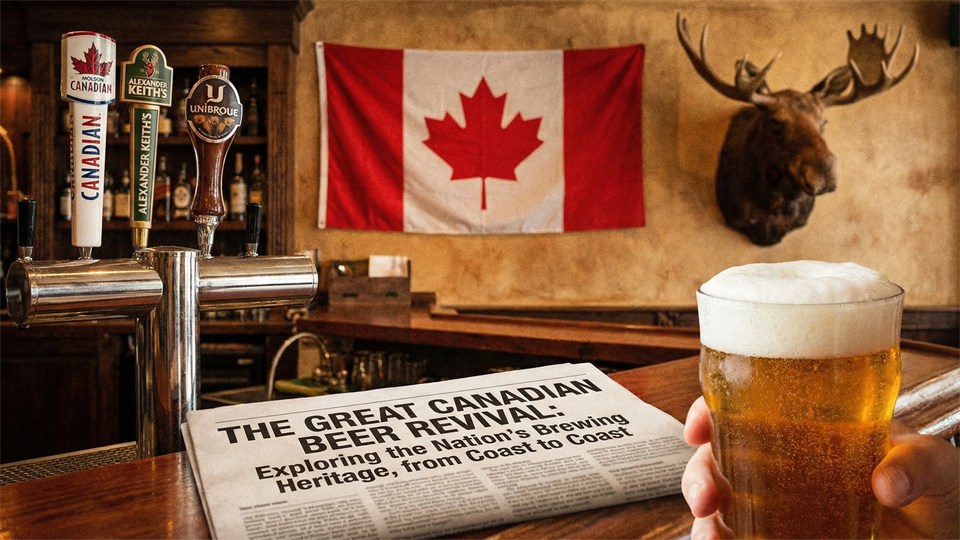
Lager is without a doubt the most widespread beer style in Canada. Classic Canadian lagers are clear, light, and refreshing, often with a mild malt profile and a clean, light bitterness. They are well-suited for both beginners and those who want an easy-drinking beer. Some of the biggest brands, such as Molson Canadian and Labatt Blue, are lagers, but you'll also find many modern craft lagers with extra flavor nuances and hop profiles.
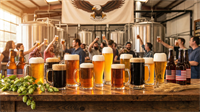
With the microbrewery wave, pale ales and IPAs have become extremely popular in Canada. A Canadian pale ale typically has a balanced malt and hop flavor, while the IPA (India Pale Ale) often features intense citrus and pine notes. Breweries like Steam Whistle and Collective Arts have made their mark on this category with both classic and experimental variants. Many IPAs from Canada have a softer bitterness than their American counterparts, making them easily accessible for new beer enthusiasts.
Although pale beers dominate, Canada also has a strong tradition of dark beer styles. Stout and porter are loved for their rich, roasted flavor notes of chocolate, coffee, and caramel. Especially popular in the cold winter months, when a robust stout can provide warmth and coziness. Breweries like Dieu du Ciel! and Les Trois Mousquetaires are known for their award-winning dark beers.
In recent years, Canadian breweries have become known for their experimental approach. Especially sour beers, fruit beers, and beers with local ingredients are gaining ground. Here, berries, birch sap, or maple syrup are often used to create unique flavor experiences that reflect the Canadian landscape. These beers vary greatly in taste, from refreshingly tart to sweet and fruity. They are popular among those who want to try something new and different from the classic lager.
Canada has several breweries with both historical significance and international recognition. Some have existed for over a century, while others are newer microbreweries that have quickly achieved cult status. Here are some of the most notable names:
These breweries are just the tip of the iceberg – today, Canada has over 1,000 active breweries, from small local ones to nationwide giants.
You can't talk about Canadian beer without mentioning the country's vast geographic and cultural diversity. The climate, ingredients, and people's tastes vary from west to east, and this is reflected in the beer. Here are some of the recurring characteristics you'll find in Canadian beer:
Canada also often has an alcohol percentage slightly higher than similar beers from the USA or Europe, especially in classic lagers. This is due to both tradition and legislation, but is now seen as part of the Canadian style.
If you're curious about Canadian beer, it's easy to get started. Here are some good tips for exploring the world of flavors:
Remember, beer is best enjoyed fresh, and temperature matters: Light lagers should be served cold (about 5-7 °C), while stronger ales and stouts can be a bit warmer (8-12 °C).
Although Canada was long overlooked on the international beer scene, Canadian breweries in recent years have gained recognition at major competitions and are now exported to many countries. Breweries from Québec and Ontario in particular have distinguished themselves with award-winning specialty beers. At the same time, Canada also inspires beer enthusiasts and brewers worldwide with its open approach to innovation and local ingredients.
Today, Canadian beer is synonymous with quality, diversity, and an open mind for new taste experiences. Whether you are a beginner or an experienced beer drinker, there are always new sides of Canadian beer to explore.
Canadian beer is an exciting blend of tradition and innovation. From the large, classic lager breweries to small creative microbreweries, Canada offers beer for every taste and every occasion. The country's brewers are known for using pure ingredients, experimenting with local products, and creating beers that reflect Canada's diversity.
Whether you prefer light and refreshing beers or complex and full-bodied ales, Canadian beer is worth exploring. Go for a tasting, try new varieties, and let yourself be inspired by Canada's rich beer culture. Cheers – or as they say in Canada: Cheers!