

DA | EN | DE | FR | ES

Øl Læs om øltyper, smagsprofiler og madparring. Artikler om alt fra IPA til ølbrygning.

Danish Beer: Tradition and Innovation Discover Danish Beer: History, Flavor, and Modern Breweries

mad og drikke Øl
Danish Beer: Tradition and Innovation Title Image

Introduction: Danish Beer – From Tradition to Modern Brewing

Danish beer has for centuries been a staple of Danes’ everyday life, celebrations, and culture. From the earliest brews on farms to today’s innovative microbreweries, beer has evolved significantly. Today, Denmark is known both for its classic pilsners and for a rich selection of specialty beers that delight beer enthusiasts around the world. In this article, we dive into the history, taste, brewing, and vibrant contemporary beer culture of Denmark – and give you concrete examples and inspiration to explore the Danish world of beer.

The History of Danish Beer: From Ancient Times to Modern Day

The history of beer in Denmark stretches back thousands of years. Already in the Iron Age, Danes brewed beer, primarily as a nourishing and safe drink in times when water quality was often questionable. Back then, the beer was dark, sweet, and low in alcohol. In the Middle Ages, the art of brewing grew, and the monasteries played a central role as important brewing centers. Here, techniques were refined, and recipes were written down and shared.

Throughout the 19th century, beer brewing became more industrialized, and large breweries such as Carlsberg and Tuborg were founded. These companies put Denmark on the world map as an exporter of beer – especially the light, fresh pilsner that became the industry standard. Today, the old traditions live side by side with a new wave of microbreweries experimenting with ingredients, flavors, and brewing methods.

The Classic Danish Beer Types

Although Denmark today offers a wealth of beer types, there are some classic varieties that still dominate:

  • Pilsner: The light and easy-drinking pilsner is the most widespread beer type in Denmark. It has a balanced bitterness, light malt character, and a refreshing aftertaste. Examples are Carlsberg Pilsner and Tuborg Grøn.
  • Classic: A darker and more malt-forward variant than the pilsner. Classic has a deeper color, slight sweetness, and a pleasant roundness in flavor. Tuborg Classic and Royal Classic are popular examples.
  • Guldøl: A stronger and fuller beer type, often with a slightly higher alcohol content. Guldøl such as "Carlsberg Guld" has a pronounced malt flavor and is often used for festive occasions.
  • Julebryg: A seasonal beer launched every year in November. Julebryg is typically darker, sweeter, and spiced with notes of caramel and spices.

These beer types have formed the foundation of Danish beer culture, but today the selection is much larger.

Bottles with different Danish beer types on a wooden table

The Rise of Microbreweries – The New Wave

Since the year 2000, Denmark has experienced a true beer revolution with the emergence of microbreweries. These small, often independent breweries experiment with everything from hop varieties and yeast strains to barrel aging and the addition of fruit or spices. The result is a wealth of unique beers, often only available in limited editions.

Well-known microbreweries such as Mikkeller, Amager Bryghus, and Hornbeer have won international recognition and awards for their innovative approach. At the same time, there are hundreds of local breweries across the country that contribute to the diversity. This makes it possible for beer enthusiasts to taste beers that reflect local ingredients and the brewer’s personal style.

Examples of Danish Microbreweries

  • Mikkeller: Known for creative and often experimental beers, from fruity IPAs to sour wild ales.
  • Amager Bryghus: Focuses on strong and flavorful beers, especially IPA and stout.
  • To Øl: One of the most innovative breweries, combining classic craftsmanship with modern flavor profiles.

No matter where you live in Denmark, there is almost always a local brewery or bar where you can taste new, exciting beers.

Danish Beer Flavors: What Can You Expect?

Danish beers span a wide range of flavor nuances – from the light, easy-drinking pilsners to dark, powerful stouts and sour ales. Here are some of the most common flavor profiles you may encounter:

  • Malt: Gives the beer bready, biscuity, caramelized, or nutty notes. Classic and guldøl often have pronounced malt flavor.
  • Hops: Contributes bitterness and aroma, which can range from floral to citrus or tropical fruit notes. IPAs and modern pale ales are hop-driven.
  • Sweetness and caramel: Darker beer types and julebryg often have residual sweetness and notes of caramel or brown sugar.
  • Spices and fruit: Microbrews can contain everything from orange peel to coriander, ginger, and berries, adding an extra layer of flavor.

The tasting experience can also be influenced by the beer’s temperature, serving style, and the type of glass you choose.

Various samples of Danish beers in small glasses

How to Best Serve Danish Beer

To get the full experience of Danish beer, it’s worth considering the serving:

  • Temperature: Pilsners and light beers are best served cold (6-8°C), while dark beers and stronger ales can be enjoyed at a slightly higher temperature (10-13°C).
  • Glass choice: A clean, appropriate glass brings out aroma and flavor. Tall, slender glasses are good for pilsner, while wider glasses suit full-bodied ales and stouts.
  • Pouring: Pour the beer gently to get a nice head without losing too much carbonation.

Take time to smell the beer before your first sip – the aroma is a big part of the experience.

Danish Beer and Food – Perfect Pairings

Danish beer is not just for quenching thirst, but also a fantastic companion to food. Here are some classic and modern pairings:

  • Pilsner: Good with light dishes such as fish, shellfish, chicken, and mild cheeses.
  • Classic: Matches open-faced sandwiches, fried pork, and traditional Danish dishes.
  • Stout and dark ales: Suits hearty meat dishes, game, grilled food, and desserts with chocolate.
  • Sour and fruity beers: Refreshing with rich dishes or Asian cuisines.

Try experimenting with different beers for your meals – it can elevate both the food and the beer to new heights.

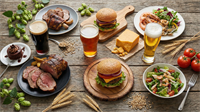
Danish beer served together with Danish open-faced sandwiches

How to Explore Danish Beer Yourself

Curious to get started with Danish beer? Here are some simple tips:

  • Start with the classic beers: Try pilsner, classic, and guld from various major breweries.
  • Visit local breweries: Many offer tours and tastings, where you can learn about the process and taste freshly brewed beer.
  • Buy tasting boxes: Several breweries and beer shops sell selections of smaller bottles, so you can taste your way through styles and flavor nuances.
  • Note your impressions: Write down what you like and don’t like – it makes it easier to find new favorites.

Danish beer is a journey where you can always discover new nuances, small breweries, or exciting seasonal brews.

Conclusion: Danish Beer – A Living Tradition

Danish beer is much more than just pilsner and classic – it is a living tradition that is constantly evolving. With respect for history and a willingness to innovate, Danish brewers today create beers that delight both at home and abroad. Whether you prefer the classic or the experimental, there is Danish beer for every taste. Cheers and enjoy your beer journey!

Similar articles

Beer for Beginners
Øl
Beer for Beginners
From Lager to IPA
Belgian Beer: Tradition and Variety
Øl
Belgian Beer: Tradition and Variety
Explore the Diverse World of Belgian Beer
German Beer: Tradition and Diversity
Øl
German Beer: Tradition and Diversity
Discover the history, types, and flavors of German beer
Beer and Food: The Perfect Pairing
Øl
Beer and Food: The Perfect Pairing
How to Match Beer and Food for Greater Flavor Experiences

You might also like

Astrology
Astrologi
Astrology
A Window to the Universe
World History According to KGM.DK
Verdenshistorie
World History According to KGM.DK
From the Big Bang to Covid
Rosé Wine
Vin
Rosé Wine
Rosé Wine: From Summer Drink to Serious Wine Experience
USB Sticks
Hardware
USB Sticks
From Type-A to USB-C and Everything In Between