
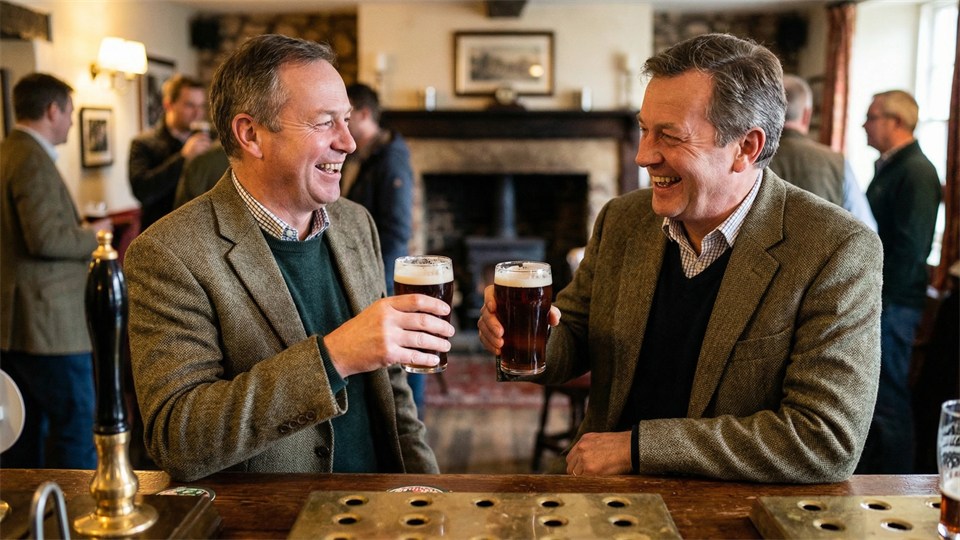


When you think of English beer, many immediately picture a dark pint in a cozy British pub setting. But English beer is much more than just a stereotype. It is one of the world’s oldest and most tradition-rich beer cultures, filled with variety, history, and character. From the smooth, malty bitter to the rich porter and the aromatic pale ale, England’s beer tradition offers taste experiences for every curious palate. In this article, we’ll take you on a journey through the history of English beer, the most important beer styles, tasting notes, and tips for choosing and enjoying English beer – perfect for both beginners and those looking to broaden their horizons.
English beer has roots going all the way back to the Middle Ages, when beer was an everyday drink, often safer than water. Over the centuries, English brewers have developed unique brewing methods that still influence the beer today. Different regions and cities have left their mark: London is known for porter and stout, while Yorkshire is home to aromatic bitters. The development of hops as a preservative in the 16th century was a pivotal event, giving beer more durability and a characteristic bitterness. In the 19th century, the iconic India Pale Ale (IPA) emerged, brewed with extra hops to survive the sea voyage to the colonies. Many English breweries are family-owned and have existed for centuries, and the old traditions are still upheld despite modernization and globalization.
English beer covers a wide range, but certain styles are particularly characteristic of the country. Here’s an overview of the most well-known and their features.
Bitter is perhaps the most British of all beer styles. The name can be misleading, as bitter is rarely extremely bitter compared to modern IPAs. Instead, it is an easy-drinking, copper-colored beer with a balanced flavor profile, where the sweetness of the malt and the gentle bitterness of the hops meet. The alcohol content is often between 3.5 and 4.5%, making it ideal for several pints at the pub without losing track. Bitter is traditionally served as "cask ale" – that is, from the cask without CO2 pressure, which gives a soft, lightly sparkling mouthfeel. Well-known examples are Fuller’s London Pride and Timothy Taylor’s Landlord.

Pale ale was originally invented in England in the early 1700s and is characterized by a lighter color and a more pronounced hop profile than bitter. The taste is usually slightly fruity and dry, and the alcohol content is a bit higher – often around 4-5%. Pale ale is the forerunner of many modern beer styles, including the English IPA, and well-known examples are Greene King IPA and Bass Pale Ale. Pale ale has a good balance between malt and hops and pairs perfectly with light dishes and snacks.
The English India Pale Ale was developed for export to the British colonies, especially India. To ensure the beer would last the long sea voyage, brewers added more hops, which both preserve and provide characteristic aroma and bitterness. English IPA differs from its American namesakes by being more balanced, less bitter, and with a softer malt sweetness. Tasting notes can include citrus, toffee, and floral. Try, for example, Meantime IPA or St. Austell Proper Job.
When it comes to dark beers, England has a rich tradition of porter and stout. Porter was first brewed in London in the 18th century and was popular among dock workers (porters, hence the name). The flavor is characterized by dark malt, chocolate, coffee, and caramel. Stout is a stronger and more intense variant, known for its creamy mouthfeel and deep color. Classic examples are Samuel Smith's Taddy Porter and Guinness Original (although Guinness is now Irish, the style originates from England). These beer styles pair excellently with dishes like grilled meat or desserts with chocolate.

Mild is a traditional English beer style that is relatively rare today, but still loved by connoisseurs. It has a low alcohol content (often under 4%) and a pronounced malt character with tasting notes of nuts, toffee, and caramel. The hops are subtle, and the color ranges from light amber to dark brown. Mild was especially popular among workers, as it could be drunk in larger quantities without causing "heavy heads." Try, for example, Banks's Mild or Moorhouse Black Cat.
Brown ale is known for its nutty, slightly sweet taste and smooth mouthfeel. This beer style originates in northern England, especially around Newcastle. The color is deep amber-brown, and the alcohol content is typically around 4-5%. Brown ale is versatile and pairs well with both roast dishes and cheese boards. The most famous example is Newcastle Brown Ale.
Tasting English beer is not just about drinking – it’s an experience that engages all the senses. Here’s a simple guide to getting the most out of your English beer experience:
English beer is best enjoyed in calm surroundings, preferably with good food and pleasant company. For the full experience, you can try a classic "pub crawl" – a tour of several different pubs where you taste various beer styles.

It can be difficult to know where to start if you want to explore English beer. Here are some tips for finding a beer that suits you:
English beer is available in bottles, cans, and on tap. If you have the opportunity, try cask ale at an English-inspired pub – it gives the most authentic experience.
Beer and food are a classic match, and English beer offers many opportunities for exciting pairings. Here are some suggestions for combining beer and food:
Feel free to use English beer in cooking – for example, to add depth to stews or as part of a marinade.
Although English beer is closely associated with tradition, in recent years many new microbreweries and experimental brewers have emerged. They build on the classic styles but play with hop varieties, yeast strains, and barrel aging. This means that today you can find both classic and modern variants of English beer – from ultra-traditional bitters to innovative IPAs with exotic hops. Whether you prefer the classic or the innovative, there is always something new to discover in English beer.

You don’t have to travel to England to experience British beer culture. Many English beers can be bought in specialty shops and larger supermarkets. Here are some simple tips when you want to try English beer at home:
English beer is perfect for cozy moments – whether it’s with food, conversation, or relaxing on the sofa.
English beer is a treasure trove of taste experiences, history, and craftsmanship. Whether you are a curious beginner or an experienced beer enthusiast, there are always new nuances and stories to discover. Try out the many beer styles, enjoy the company, and let yourself be inspired by the British tradition that has left its mark on the beer world for centuries. Cheers – and enjoy your English beer journey!