

Germany is known worldwide for its beer. But German beer is much more than just pilsner and large beer mugs at Oktoberfest. From south to north, thousands of different beer types are brewed, each with its own unique history, taste, and tradition. In this article, you’ll get a thorough introduction to the world of German beer: We’ll review the most important beer types, talk about the famous German beer law, and give you tips for both tasting and serving. Whether you’re a beginner or a curious beer enthusiast, you can learn a lot here about why German beer has achieved its iconic status.
German beer history goes back many hundreds of years. As early as the Middle Ages, beer was brewed in monasteries and villages, and beer played an important role in daily life – often beer was healthier to drink than water. Over time, diversity grew, and breweries developed their own recipes, which were passed down from generation to generation.
In 1516, the Bavarian Purity Law, Reinheitsgebot, was introduced. This law stated that beer could only be brewed from water, barley, and hops (yeast was mentioned later, when it was discovered what made beer ferment). The law was meant to ensure quality and prevent the use of poor or harmful ingredients. Although the law has gradually been modernized, it still forms the basis of German beer culture and is a symbol of tradition and quality.
Most German breweries, both small and large, still see brewing as a craft. Brewers emphasize pure ingredients, precision, and slow maturation – all to achieve a balanced and clean taste. In many places, the beer is brewed locally and served fresh from the tap. This means that in Germany, you’ll often find beer types that exist only in one city or region.
German beer covers a wide range – from light, thirst-quenching pilsners to dark, spicy bock beers. Here’s an overview of the most well-known beer types you may encounter in Germany.
The pilsner, often just called "Pils," is the most widespread beer type in Germany. It is crisp, lightly golden, and with a distinct hop bitterness that makes it refreshing and easy to drink. The alcohol content is typically around 4.5-5%. A good German pilsner is served ice cold in tall, slender glasses that highlight its bubbles and light color. Well-known pilsner breweries are Warsteiner, Bitburger, and Krombacher.

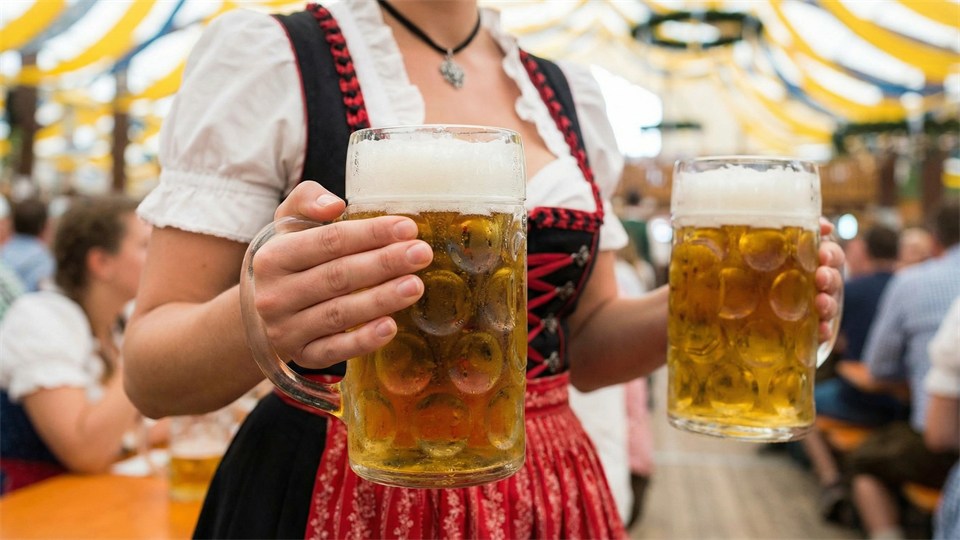
Weissbier (or Weizenbier) is Germany’s famous wheat beer. It is brewed with a large proportion of wheat instead of just barley, which gives a slightly cloudy, golden beer with a rich foam head. The taste is often fruity, with notes of banana and clove, and the beer is soft and fresh. The alcohol content is typically 5-5.5%. Weissbier is traditionally served in tall, wide glasses that allow the foam to unfold. Paulaner and Erdinger are two of the most well-known wheat beer breweries.
Dunkel means "dark," and this beer type originates from Bavaria. Dunkel is made with darker malts, which gives a deep amber to chestnut brown color and a malty, slightly sweet taste with notes of caramel and nuts. It’s not as heavy as many think – often it’s easy to drink, but with more flavor than the pilsner. The alcohol content is typically 4.5-5.5%.
Bock is a stronger beer type with more malt, higher alcohol content (often 6-7%), and a powerful, almost wine-like flavor. There are several variants, including Doppelbock (even stronger and sweeter) and Eisbock (concentrated by freezing). Bock beers are often enjoyed in smaller glasses and are well suited for the winter months.
In the area around Cologne, the light, mild Kölsch is brewed, which may only be brewed in and around the city. The taste is lightly fruity and mild. In Düsseldorf, you’ll find Altbier, a darker, more roasted beer with a slight bitterness. These beer types are very local and are often served in smaller glasses at the breweries’ own taverns.
German beer is closely tied to the regions. Each area has its own brewing traditions, beer styles, and rituals around beer. In southern Germany (Bavaria), Weissbier and Dunkel are popular, and beer gardens (Biergarten) are a staple of summer life. In northern Germany, pilsner dominates, and the beer is often a bit drier and more hoppy.
The Rhineland is known for the regional Kölsch and Altbier, while Franconia (near Nuremberg) has several hundred small breweries that brew unique beers – often served in traditional "Steinkrüge" (stoneware mugs). At each tavern, you can experience different local varieties that are rarely exported.

Tasting German beer is an experience for the nose, eyes, and palate. Each beer type has its own way of being served and enjoyed – often with specially designed glasses. Here are some practical tips to get the most out of the German beer experience:
German beer and food often go hand in hand. Pilsner is good with light dishes, fish, and salads, while weissbier goes well with grilled sausages, salty pretzels, and even light chicken dishes. Dunkel and bock are perfect for heartier food like roast pork, stews, and mature cheeses. Local dishes like "Schweinshaxe" or "Bratwurst" are classic companions to a large German beer mug.
Although German beer rests on old traditions, recent years have also brought innovation. Especially younger brewers are now making experimental beer types with new hop varieties, spices, or alternative brewing methods – often inspired by the international craft beer movement.
Nevertheless, respect for classic brewing craftsmanship remains strong. Many Germans prefer the local and classic beer types they know from their home region. This means that German beer culture balances between the traditional and the modern – and that new taste experiences are constantly emerging.

If you’re curious about German beer, try different types. Start with a classic pilsner to taste the pure, slightly bitter style. Then try a weissbier to experience the fruity and full-bodied notes. If you prefer darker and more complex beers, explore dunkel and bock.
At many bars and specialty shops, you can buy German beers in small bottles, so you can create your own little beer tasting at home. Remember to serve the beer in the right glasses and at the right temperature – it makes a big difference for the taste. And feel free to pair the beer with classic German snacks like pretzels, sausages, or cheese.
German beer is not just a drink – it is an entire culture and a craft with deep roots. Whether you prefer light, fresh pilsners, fruity wheat beers, or strong dark bocks, German beer has something for every taste. The tradition of purity and quality lives on, while innovation flourishes. Use this guide as a starting point for your own journey into German beer culture – and enjoy exploring one of the world’s most diverse and proud beer countries. Cheers – or as they say in Germany: Prost!