



Coffee is one of the world’s most beloved drinks and comes in countless varieties. From the strong espresso to the light filter coffee and refreshing cold brew – each coffee type has its own character, brewing method, and flavor profile. Many begin their coffee journey with a classic black cup, but discovering coffee’s diversity opens up a world of new taste experiences.
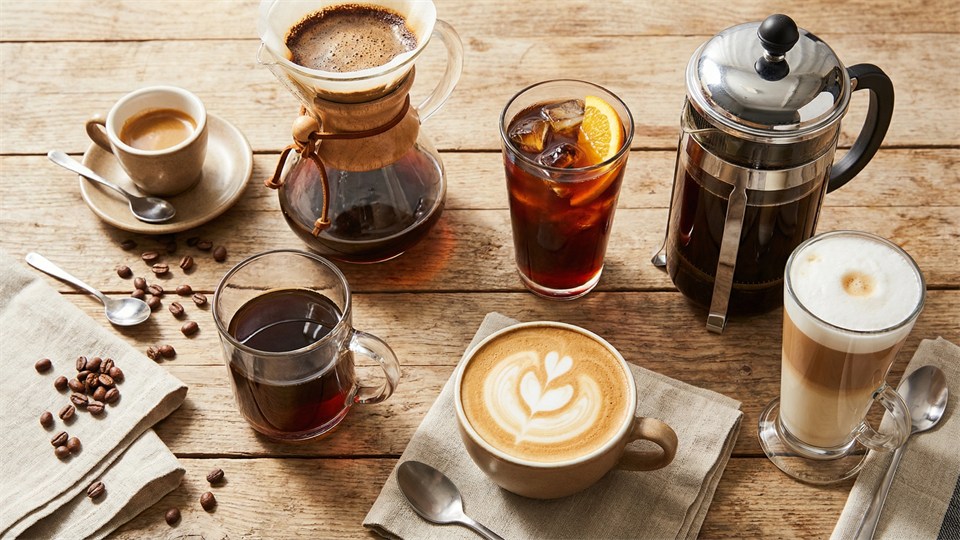
In this guide, you’ll get a thorough introduction to the most popular coffee types, what characterizes them, and how to choose the one that suits you best.
Espresso is the basis for many coffee drinks. It is brewed by forcing nearly boiling water under high pressure through finely ground coffee. The result is a small, concentrated cup with a strong flavor, thick consistency, and a characteristic creamy foam on top called crema. Espresso is typically served in small cups (25-30 ml) and is often enjoyed quickly, but can also be used in many other drinks like cappuccino and latte.
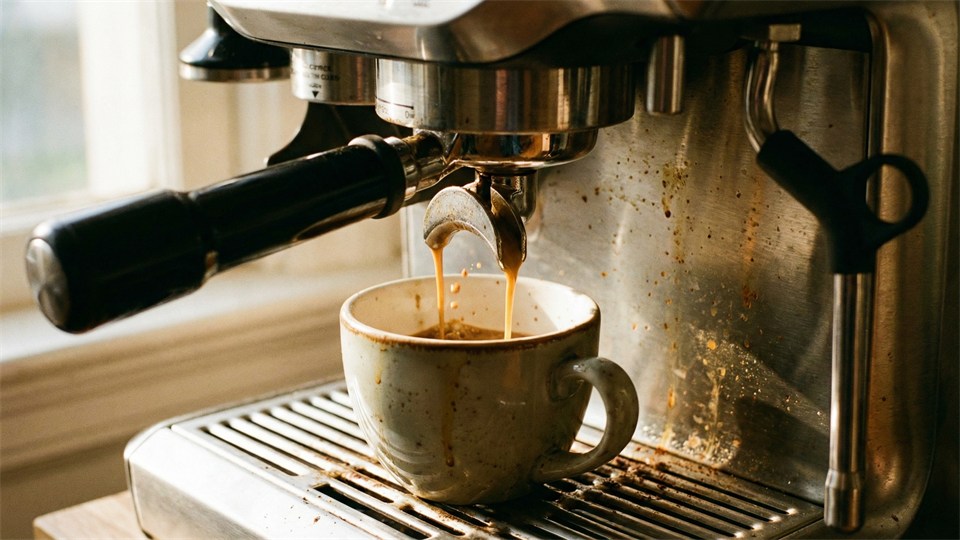
Espresso has an intense aroma, often with notes of chocolate, nuts, caramel, or fruit depending on the bean type and roast level. It balances bitterness, acidity, and sweetness, and the strong flavor makes it ideal as a base for milk drinks.
Espresso is perfect for those who want a quick and intense taste experience – or as the foundation for classic café drinks. Also try a "double espresso" for an even stronger variant.
Filter coffee, also called "regular coffee" or "pour over", is brewed by pouring hot water over coarsely ground coffee, typically through a coffee filter. This method gives a larger cup (120-250 ml) with a milder and cleaner taste compared to espresso.
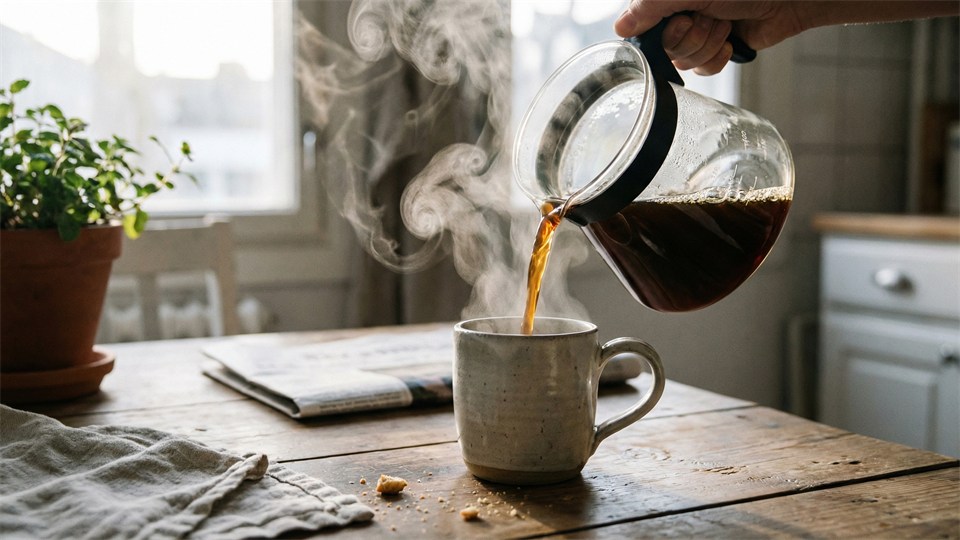
Filter coffee highlights the nuances of the coffee bean. You can experience everything from floral and fruity notes to nutty or chocolatey flavors. The aroma is often more delicate, and the body lighter than that of espresso.
Filter coffee is easy to brew at home and is well suited for exploring different bean types and roast levels. Methods like Chemex and Hario V60 give even more control over the flavor expression.
French press, also known as a plunger pot, is a popular method where coarsely ground coffee and hot water are mixed and steeped together before the coffee is separated from the grounds with a plunger. It gives a rich, rounded cup of coffee where oils and microparticles are retained in the drink, increasing complexity.
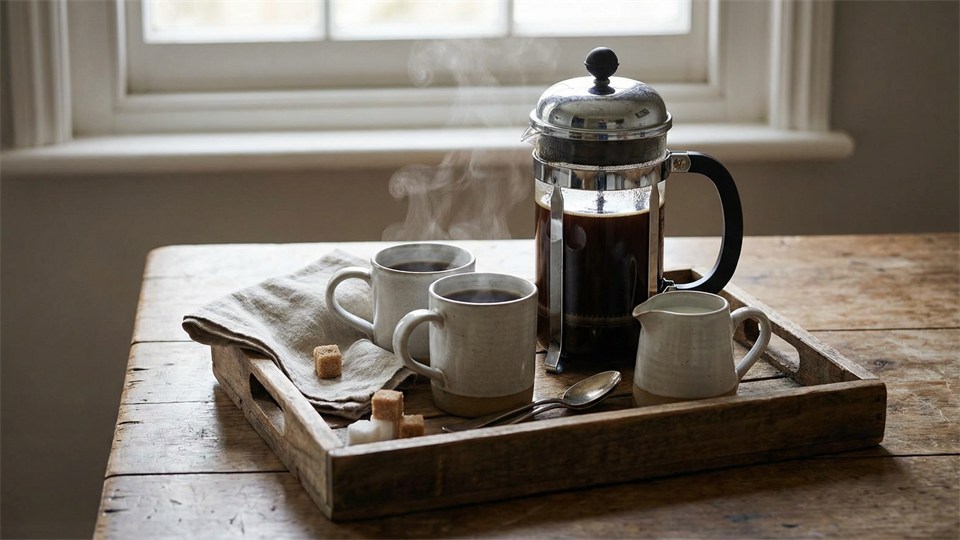
French press coffee has a stronger body and more pronounced flavor nuances than filter coffee, but is less concentrated than espresso. Especially well suited for beans with nutty or chocolatey flavor notes.
Start with a brewing time of 4 minutes and coarsely ground coffee. Experiment with different coffee beans and dosages to find your preferred balance.
Espresso also forms the basis for many popular milk drinks:
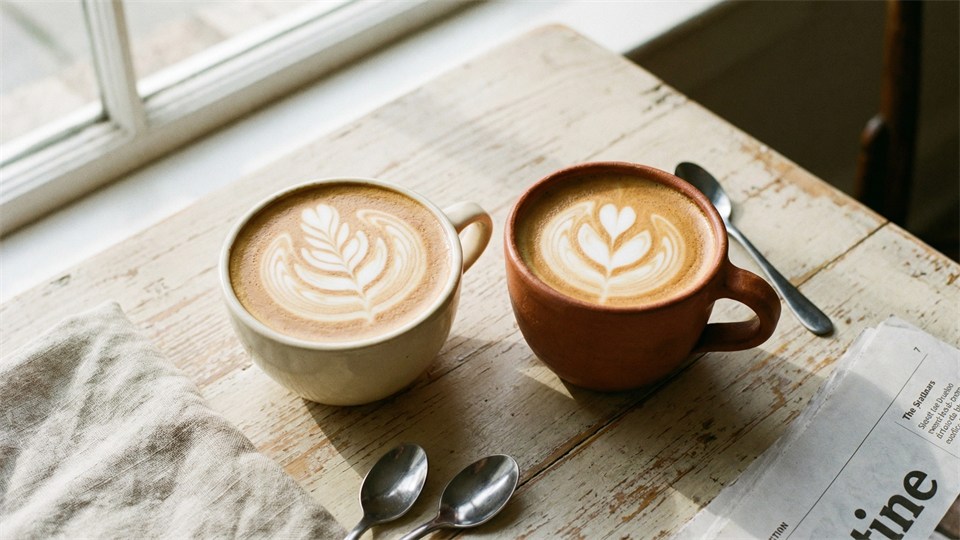
The difference between these drinks is mainly about the ratio of coffee to milk. The more milk, the milder and creamier the taste becomes. Cappuccino and latte are among the most popular choices in cafés worldwide – and easy to make at home with a little practice.
Cold brew is brewed by letting coarsely ground coffee steep in cold water for 12-24 hours. The result is a mild, slightly sweet, and very refreshing coffee, completely without bitterness. Cold brew is often served with ice cubes and can also be mixed with milk or syrup.
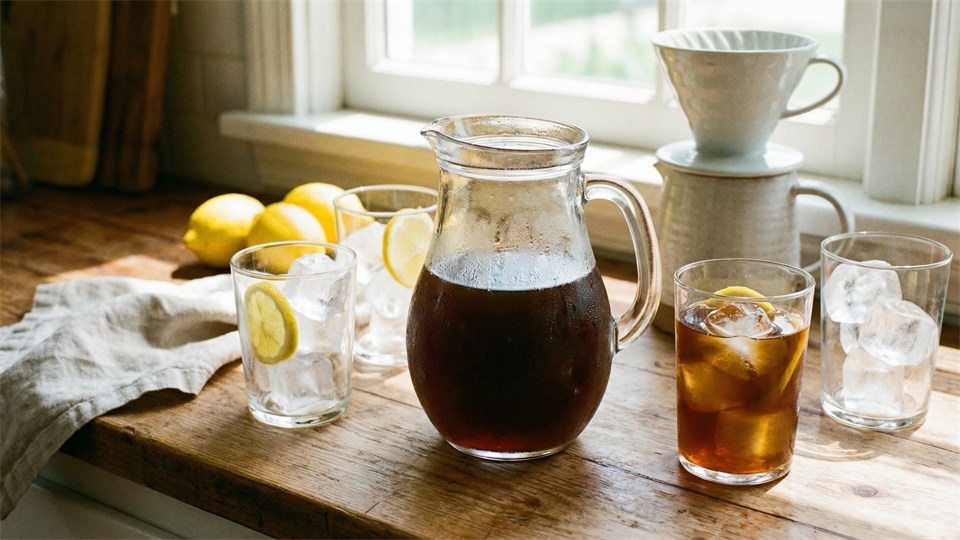
Cold brew is ideal on hot days or as a base for iced coffee. The low temperature means that bitter and acidic flavor compounds are extracted to a much lesser degree than with hot brewing, resulting in a smooth and light drink.
Mix 100 grams of coarsely ground coffee with 1 liter of cold water. Let it steep in the fridge for 12-18 hours, filter, and serve. Can keep for up to a week when refrigerated.
Café au lait is made from equal parts strong coffee (often filter coffee) and hot milk. It is popular in France and gives a mild, creamy experience without the intensity of espresso.
Americano consists of an espresso diluted with hot water. It resembles filter coffee in strength but retains the aromas of espresso.
If you prefer black coffee with more body than filter, but without the strength of espresso, americano can be a good choice. Café au lait is for those who want a creamy experience without drinking milk drinks based on espresso.
Instant coffee is freeze-dried coffee that just needs to be mixed with hot water. It is practical and quick, but flavor-wise less nuanced than freshly brewed coffee. Modern instant coffee has improved, and there are varieties with more complex flavor.
Instant coffee is ideal on the go, for camping, or when you need something fast. It can also be used for desserts or recipes where coffee flavor is desired, but brewing is not practical.
The two most common coffee bean types are Arabica and Robusta. Arabica has more acidity, complexity, and often fruity or floral notes. Robusta is more bitter, has more caffeine, and an earthy, nutty flavor. Most specialty coffees are 100% Arabica, while many classic "coffee blends" use a bit of Robusta for strength and crema.
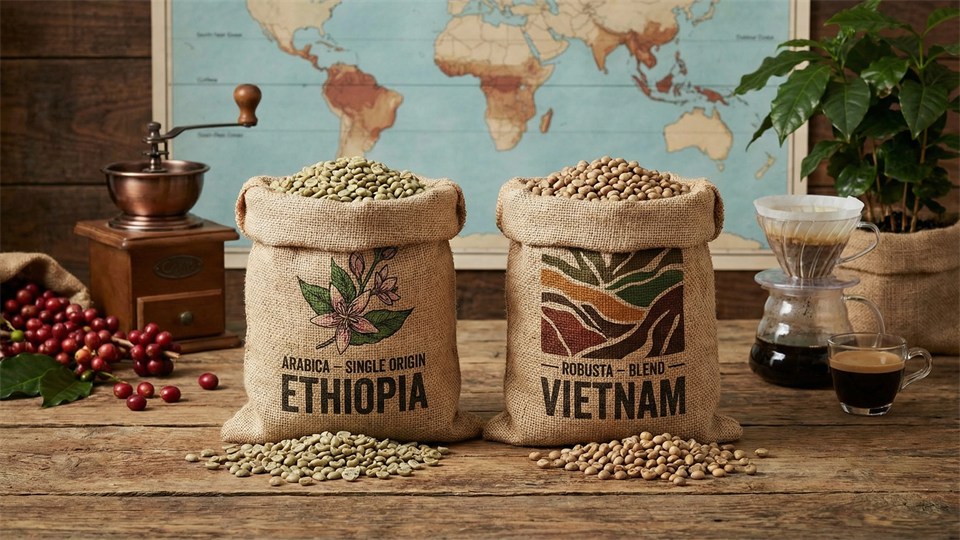
Choose Arabica if you want an elegant, complex, and slightly acidic coffee. Try Robusta if you prefer a strong, bitter, and caffeinated experience – or find blends that balance the two.
Coffee beans can be roasted light, medium, or dark:
Try different roasts to find your preferred style. A light-roasted Ethiopian coffee, for example, can taste of berries and flowers, while a dark-roasted Brazilian coffee has heavy chocolate and nutty notes.
In addition to pure coffee types, there are a wealth of flavor variants. Some add syrup (such as vanilla, caramel, or hazelnut), spices (cinnamon, cardamom), or alcohol (Irish coffee). These can add extra dimensions to your coffee – but remember, good coffee often has complex, natural flavor nuances on its own.
The best advice for beginners is to taste your way forward. Try different coffee types, beans, and brewing methods. Notice which flavor nuances you prefer – fruity, sweet, bitter, nutty, or chocolatey notes? Note which brews suit your daily life and your taste buds best.
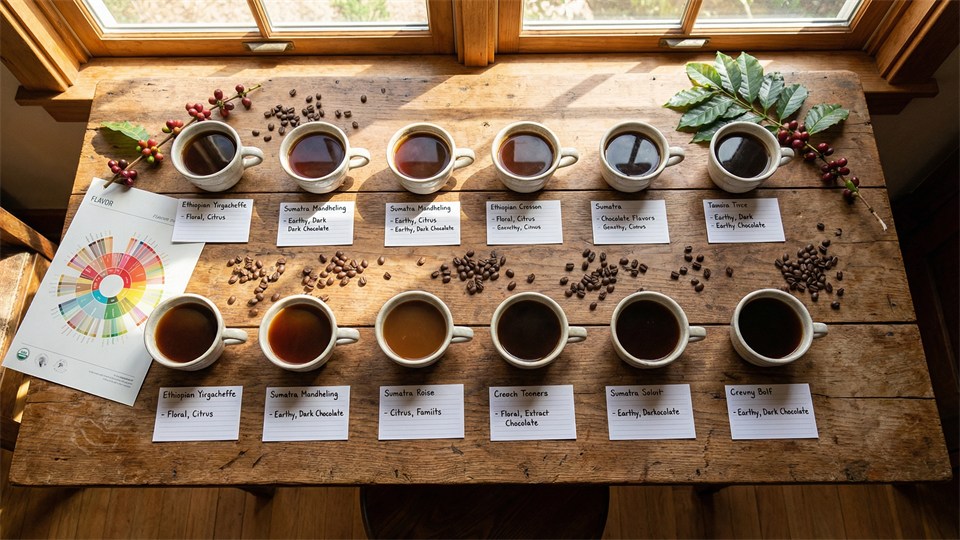
Over time, you’ll discover which coffee types suit different situations best – morning, afternoon, or evening, alone or with friends.
Coffee is much more than just an energizing drink. With a wealth of brewing methods, bean types, and flavor profiles, there is always something new to explore – whether you are a beginner or have been drinking coffee for many years. Try things out, be curious, and enjoy the journey toward your very own favorite coffee.
Happy coffee thirst – and welcome to the diverse universe of coffee!