



Red wine is one of the world's most beloved and legendary beverages. From ancient feasts to modern dinner parties, red wine has an ability to bring people together, enhance food, and spark conversations.
But what makes red wine special? It's all about the grapes. Red wine is made by fermenting dark-skinned (red or black) grapes with their skins, which gives the wine its color, tannins, and much of its flavor. The winemaking process, grape variety, region, and aging method all contribute to the complexity of what's in your glass.
Whether you enjoy a bold Cabernet Sauvignon or a light Pinot Noir, red wine offers endless flavor experiences and styles to explore.
The history of red wine is closely linked to human civilization. Archaeological finds suggest that wine production began over 8,000 years ago in what is now Georgia (in the Caucasus region). From there, winemaking spread to Mesopotamia, Egypt, Greece, and Rome.
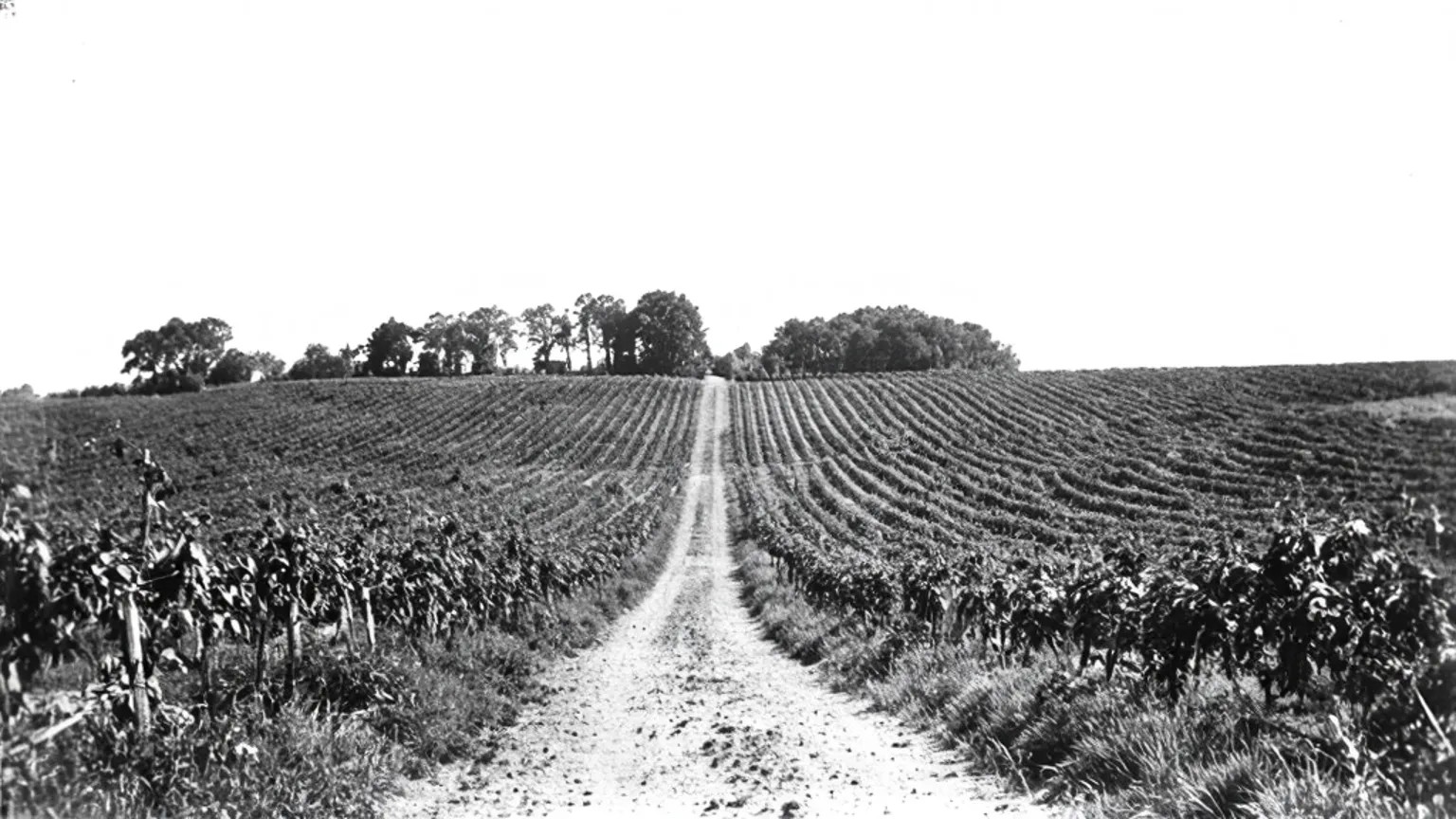
The ancient Romans refined viticulture and spread vineyards throughout Europe. Over centuries, different regions developed their own grape varieties, techniques, and traditions—many of which form the backbone of modern red wine culture.
Today, red wine is produced on every continent except Antarctica and enjoyed by people from all walks of life. The global wine community continues to innovate while honoring centuries-old traditions.
Red wine production is both an art and a science. It typically follows these key steps:
| Method | Description |
|---|---|
| Harvest | The grapes are picked at optimal ripeness, either by hand or machine |
| Crushing and destemming | The grapes are crushed and the stems removed. The resulting mixture (called "must") contains juice, skins, and seeds. |
| Fermentation | The must ferments with natural or added yeast. Contact with the skins during fermentation gives color, tannins, and flavor. |
| Pressing | After fermentation, the wine is pressed to separate the liquid from the solids. |
| Aging | The wine can be aged in oak barrels or stainless steel tanks. Oak barrel aging adds flavor and texture. |
| Bottling | Finally, the wine is bottled and may be aged further before release. |
Throughout this process, winemakers make countless decisions that affect the wine's style, from full-bodied and tannic to light and fruity.
The world of red wine is incredibly diverse, partly thanks to the many different grape varieties used. Here are some of the most popular red grapes and what they typically offer:
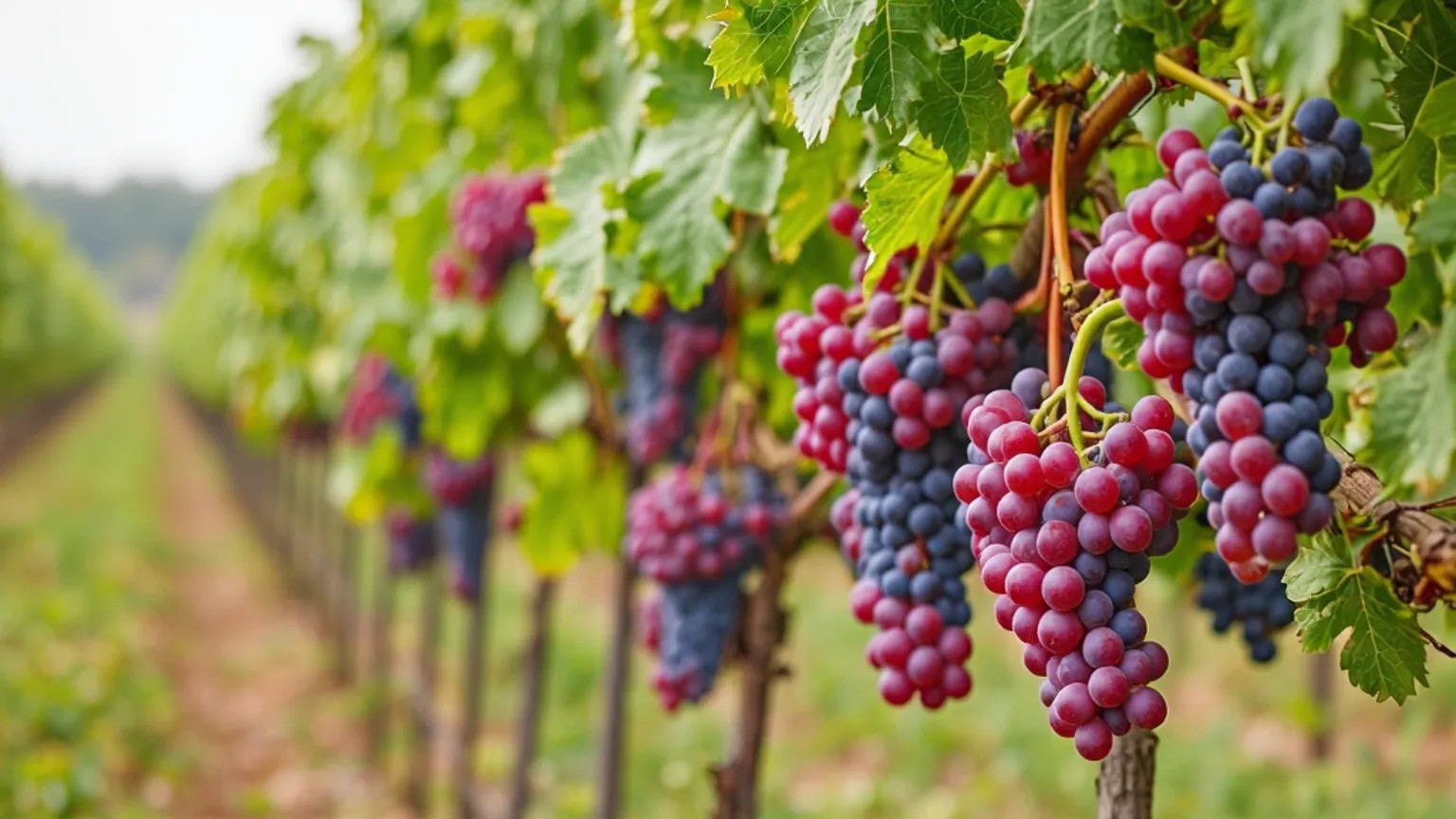
| Grape | Description |
|---|---|
| Cabernet Sauvignon | Full-bodied with strong tannins and flavors of blackcurrant, plum, and cedar |
| Merlot | Softer and rounder than Cabernet, with notes of plum, chocolate, and herbs |
| Pinot Noir | Light and elegant with aromas of red berries, flowers, and earth |
| Syrah/Shiraz | Spicy, full-bodied and rich, with blackberry, pepper, and sometimes smoky flavors |
| Zinfandel | Lush and fruity with flavors of raspberry, black cherry, and spices |
| Tempranillo | The backbone of Spanish red wines; earthy, flavorful, and often oak-aged |
| Sangiovese | Tuscany's star grape; bright cherry, herbs, and lively acidity |
| Malbec | Deep color with plum, blackberry, and a velvety texture, especially from Argentina |
Exploring red wine means exploring the regions where it is produced. The same grape can taste very different depending on climate, soil, and local tradition—a concept known as terroir. Here is a tour of some of the most famous and exciting red wine regions:
| Region | Description |
|---|---|
| Bordeaux | The benchmark for Cabernet Sauvignon and Merlot blends. Structured, age-worthy wines |
| Burgundy | Pinot Noir's spiritual home. Elegant, earthy, and complex |
| Rhône Valley | Syrah-based wines (Northern Rhône) and blends of Grenache, Syrah, Mourvèdre (Southern Rhône) |
| Region | Description |
|---|---|
| Tuscany | Famous for Chianti and Brunello di Montalcino, both based on Sangiovese |
| Piedmont | Home to Barolo and Barbaresco (made from Nebbiolo)—powerful yet aromatic wines |
| Veneto | Valpolicella and Amarone, full-bodied and often raisin-like red wines |
| Region | Description |
|---|---|
| Rioja | Tempranillo-based wines aged in oak barrels. Classic balance between fruit and spice. |
| Ribera del Duero | Richer, more intense Tempranillo wines |
| Region | Description |
|---|---|
| California (Napa Valley) | Bold, opulent Cabernet Sauvignon |
| Sonoma | More restrained Cabernets, excellent Pinot Noir and Zinfandel |
| Oregon (Willamette Valley) | World-class Pinot Noir with a cooler climate profile |
| Region | Description |
|---|---|
| Mendoza | Famous for Malbec—rich, ripe, and soft, with an easy-drinking style |
| Region | Description |
|---|---|
| Barossa Valley | Intense, spicy Shiraz (Syrah) |
| Yarra Valley | Cool climate Pinot Noir and elegant Shiraz |
| Region | Description |
|---|---|
| Maipo Valley | Value-driven Cabernet Sauvignon and Carménère with bright fruit |
These regions are just a starting point—almost every wine-producing country makes interesting red wines to explore.
Tasting red wine is about appreciating both its flavor and its structure—how it feels in the mouth. Here is a simple guide for beginners:

| Sensory | Description |
|---|---|
| Appearance | Hold the glass at an angle against a white background. Notice the color: is it light ruby or deep purple? Young wines are lighter; aged wines are more brick-red. |
| Nose | Gently swirl and inhale. Identify aromas: berries, herbs, spices, earth, wood? |
| Taste | Take a sip and let the wine cover your palate. Pay attention to: |
| - Fruit flavors (cherry, plum, blackberry) | |
| - Tannins (drying sensation on the gums) | |
| - Acidity (freshness, liveliness) | |
| - Alcohol (warmth, body) | |
| Finish | Does the flavor linger or fade quickly? A long finish is a hallmark of quality |
Red wine is very versatile with food. It pairs with everything from hearty meats to vegetarian dishes and even certain fish and seafood, depending on the style.
Serving Tips| Tip | Description |
|---|---|
| Temperature | Serve light red wines (Pinot Noir) at slightly cool temperatures (approx. 12-14°C), fuller reds (Cabernet, Syrah) at cellar temperature (approx. 16-18°C). |
| Decanting | Many young or tannic red wines benefit from decanting to soften tannins and open up aromas |
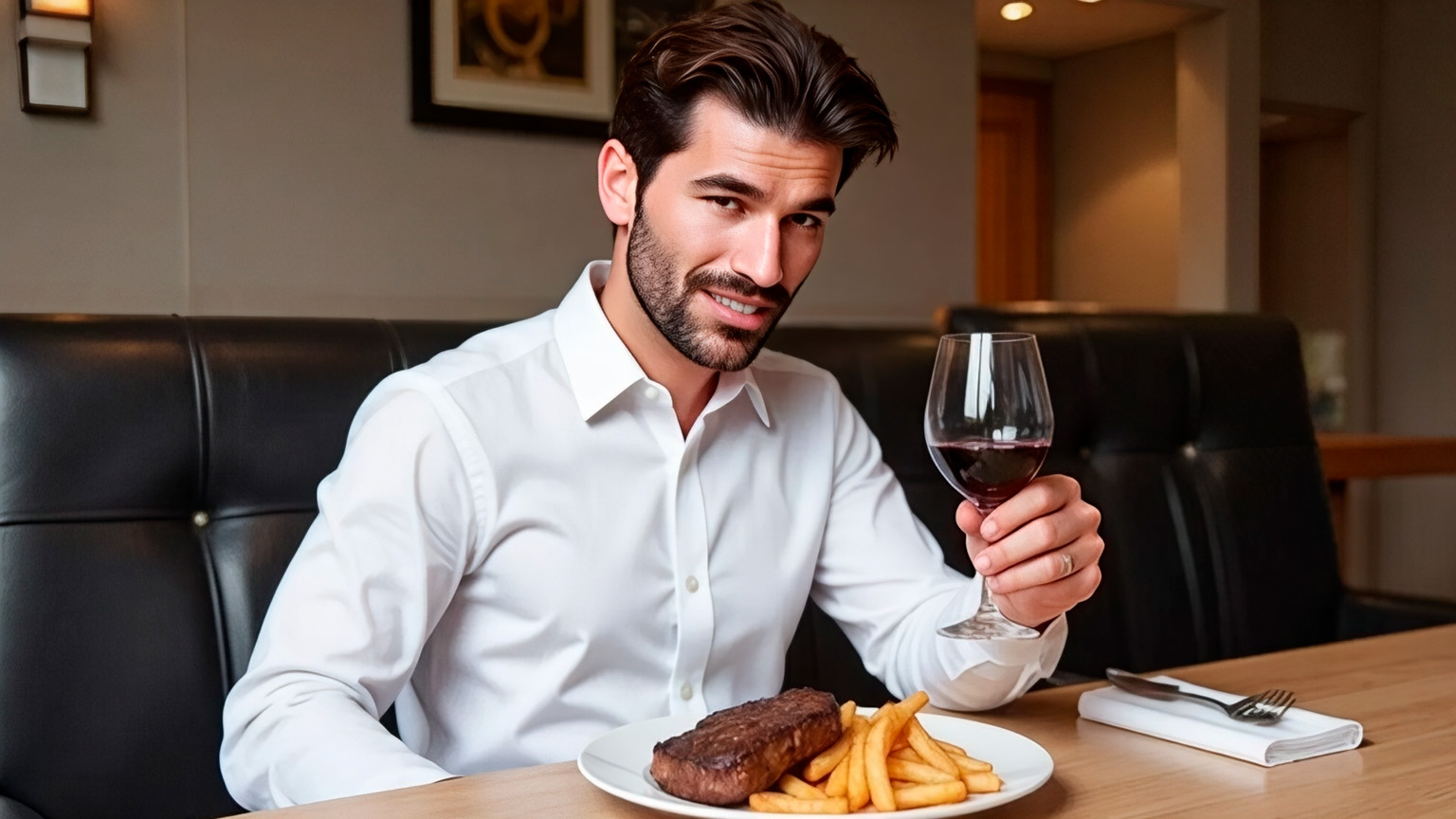
| Grape | Description |
|---|---|
| Pinot Noir | Salmon, duck, mushrooms |
| Cabernet Sauvignon | Grilled steak, lamb, aged cheese |
| Merlot | Roast chicken, pasta with red sauce |
| Syrah/Shiraz | Barbecue, spicy dishes |
| Sangiovese | Pizza, pasta with tomatoes, charcuterie |
| Malbec | Grilled meat, empanadas |
Navigating a wine shop can feel intimidating at first, but with a few simple tips you can choose wines with confidence:
Shopping| Tip | Description |
|---|---|
| Simplicity | Start with grape varieties or regions you know |
| Recommendations | Look for reliable producers or recommendations from staff |
| Price | Don't assume price equals quality. Many excellent red wines cost under 100 DKK. |
| Tip | Description |
|---|---|
| Location | Store bottles horizontally in a cool, dark place (~12-15 °C / 54-59 °F) |
| Temperature | Avoid temperature fluctuations and direct light |
| Aging | Many red wines improve with short aging (1-5 years), but most everyday wines are ready to drink upon release. |
Ready to start exploring? A fun way to begin is by trying two or three red wines side by side—for example, a light Pinot Noir, a medium Merlot, and a powerful Cabernet Sauvignon. Compare color, aroma, and taste.
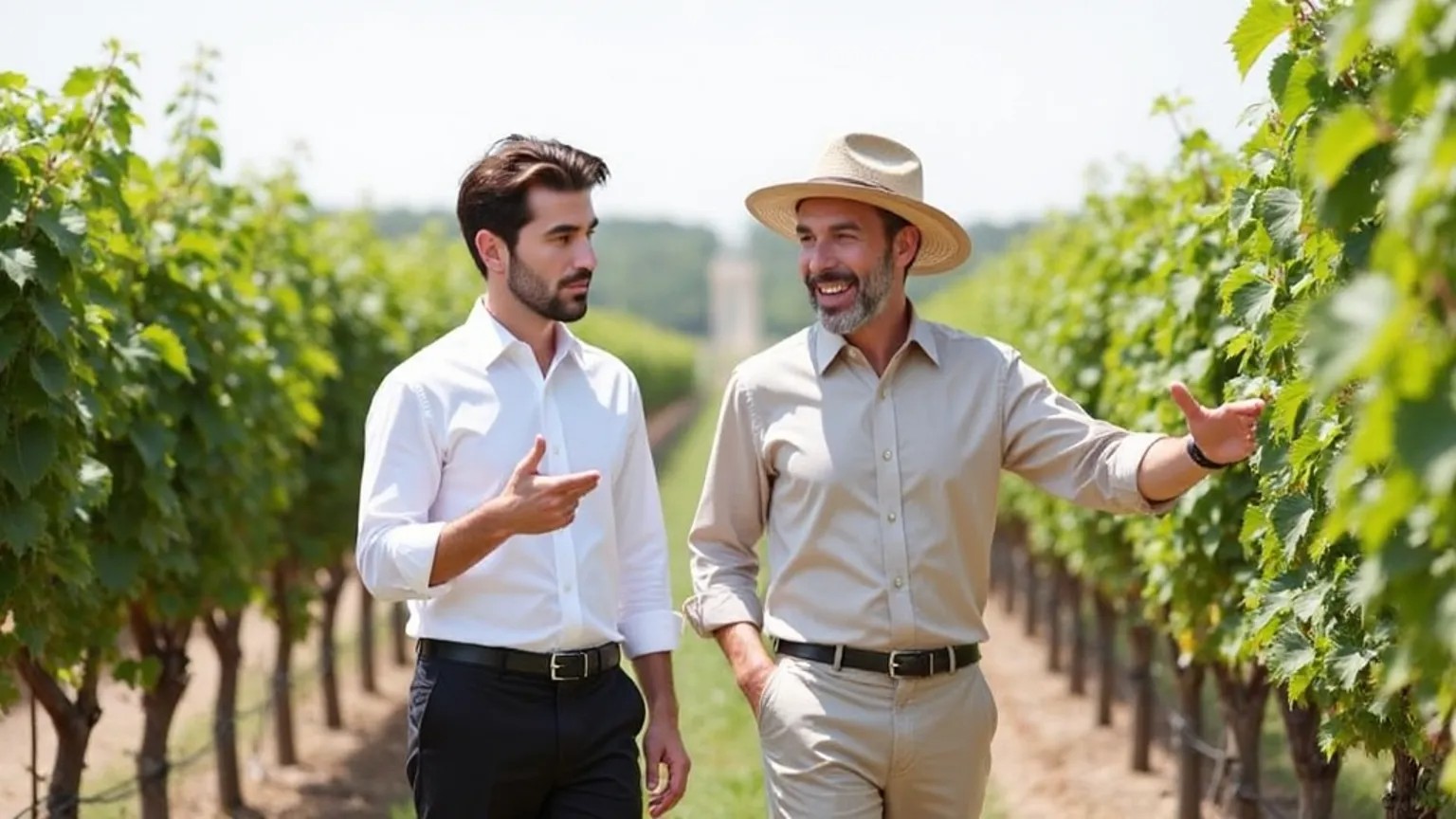
Even better, visit a local wine bar or winery for a guided tasting. Don't be shy—winemakers and sommeliers love introducing beginners to their wines.
Remember: There is no "right" or "wrong" way to enjoy red wine. Trust your palate and have fun discovering what you love. Cheers!