
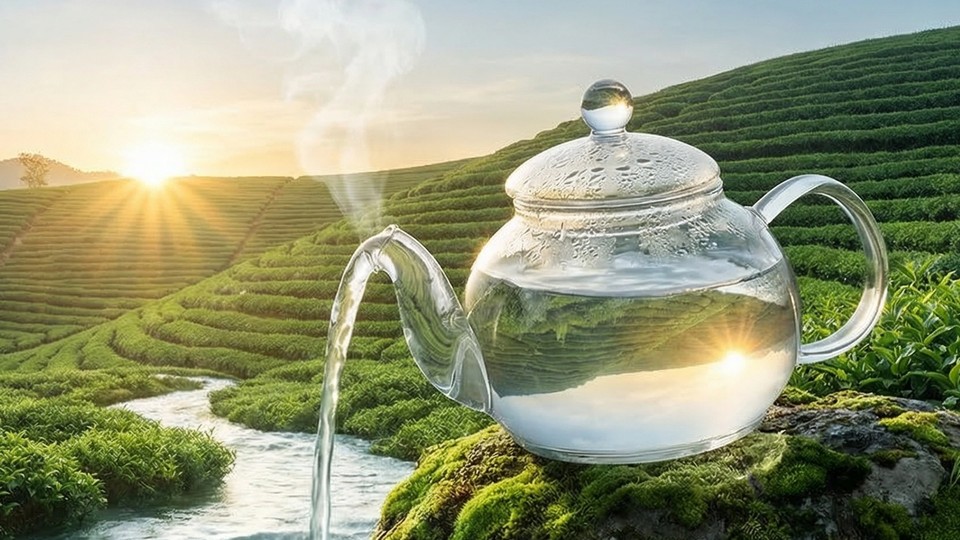


Most people rarely consider the role of water when brewing tea, but it is actually the most important ingredient. Since tea typically consists of over 98% water, both the quality, hardness, and temperature of the water have a significant impact on the final taste experience.
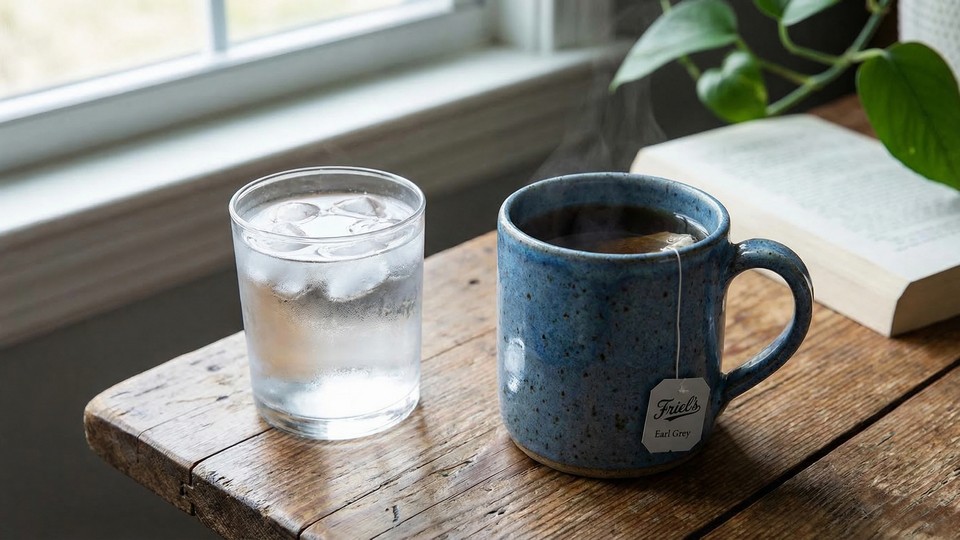
To bring out the best flavor in your tea, you should use fresh, clean, and oxygen-rich water. Water that has been sitting in the kettle for several hours loses oxygen and can taste flat. Tap water can vary in taste and hardness depending on where you live in Denmark. Hard water (high in minerals) can especially mute the nuances of tea and give an unpleasant aftertaste.
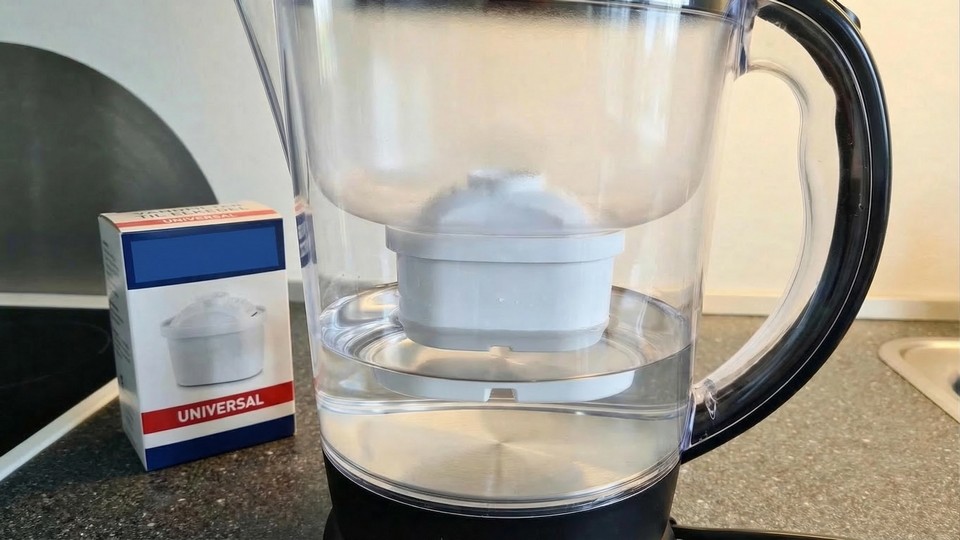
If you live in an area with hard water, it may be a good idea to filter the water or use spring water with a low mineral content.
Always start with cold water from the tap. Hot water from the tap may have been sitting longer in the pipes and can contain more impurities or metals. Cold water is fresher and richer in oxygen, which is ideal for tea.
It is tempting to let the water sit in the kettle all day and just heat it up again, but you should avoid this. Each time the water is boiled, oxygen disappears, and the concentration of minerals can change. The result is a dull, lifeless tea.
Therefore, always boil only the amount of water you need and use it immediately.
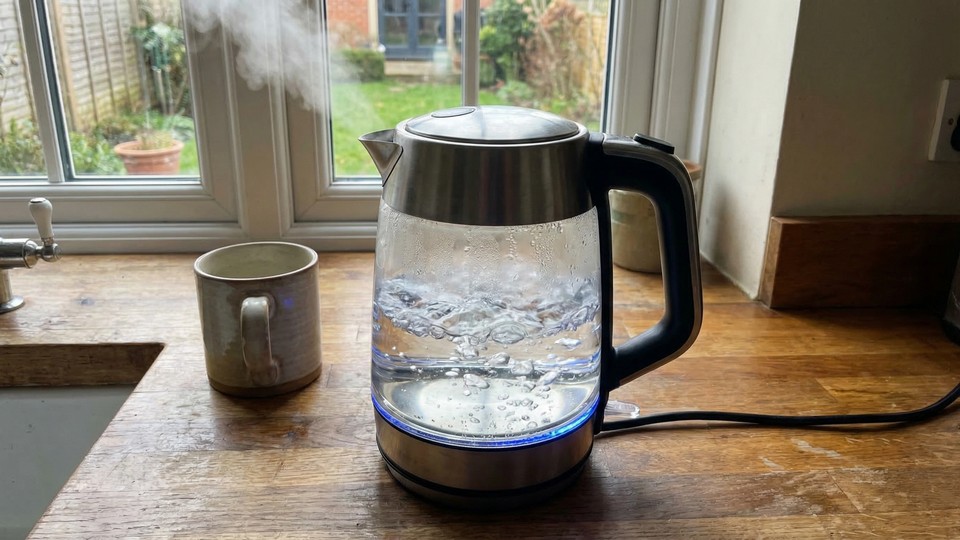
Different types of tea require different temperatures to release their best flavors without becoming bitter or flat.
A kettle with adjustable temperature or a thermometer is therefore a good investment for tea enthusiasts.
Yes, but pay attention to the mineral content. Some types of spring water can be too "heavy" and mask the tea's aromas. Preferably choose a variety with low mineral content.
You can check your water supplier's website or ask your local waterworks. If the hardness is above 10 dH, it is worth considering filtration.
Water is much more than just a base for tea – it is an essential flavor contributor. With a little attention to the water's quality, temperature, and treatment, you can significantly enhance your tea experience. Don't forget to clean your kettle, choose fresh water, and experiment with the temperature to find the perfect cup for your taste.