
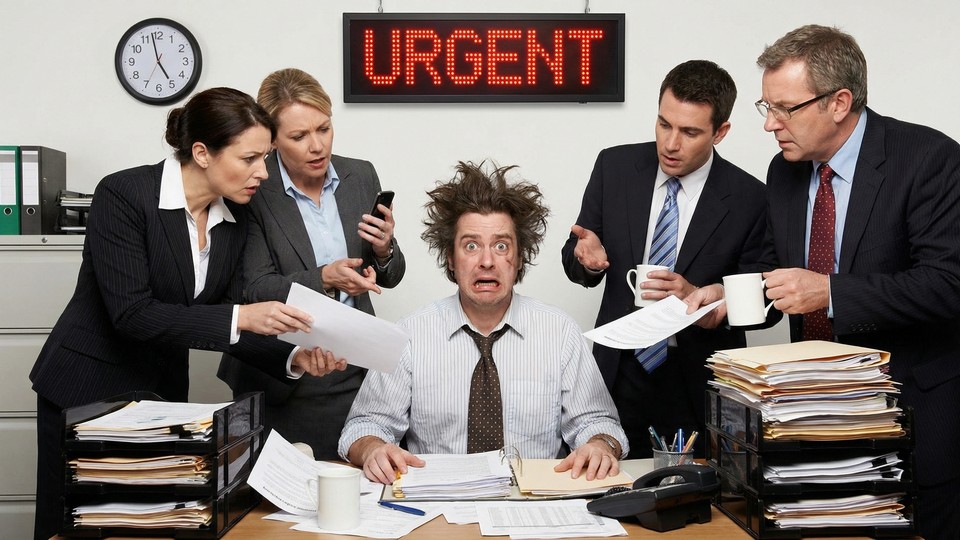


Stress has become a widespread condition in Denmark. More and more people experience periods of feeling pressured, overloaded, or exhausted by demands from work, studies, or private life. But what is stress really, how do you recognize it, and how can you take care of your mental health? This article delves into the mechanisms of stress, its symptoms, and effective ways to prevent and manage stress.
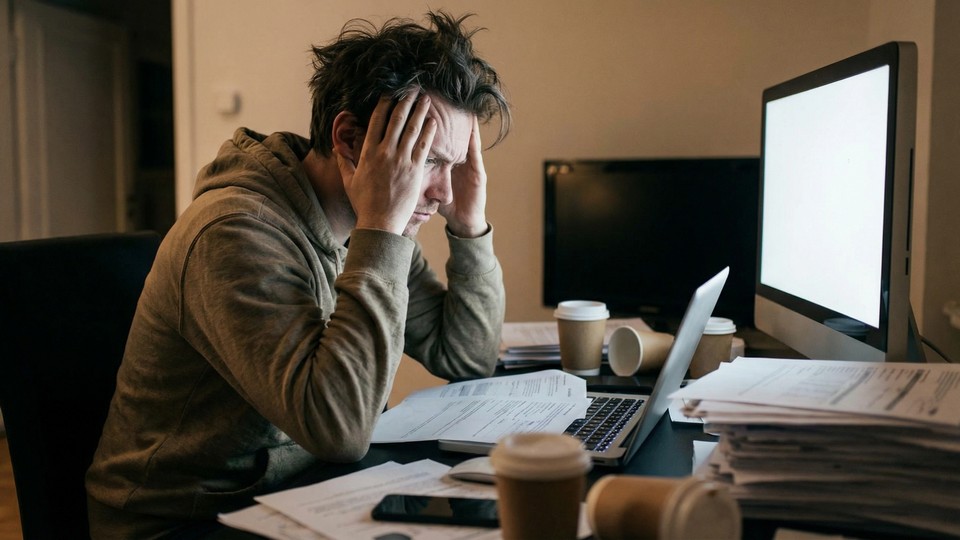
Stress is the body's natural reaction to challenges or threats. Short-term stress – for example, before an exam or an important deadline – can actually be useful because it makes you more focused and action-oriented. But when stress becomes long-term, and the body never gets to relax, it can lead to serious health problems.
When you become stressed, the body releases stress hormones such as adrenaline and cortisol. These hormones put the body on high alert: your pulse rises, muscles tense, and your senses become sharper. In small doses, this is harmless, but chronically elevated stress hormones wear down the body.
Stress can have many different causes, and often it is a combination of several factors:
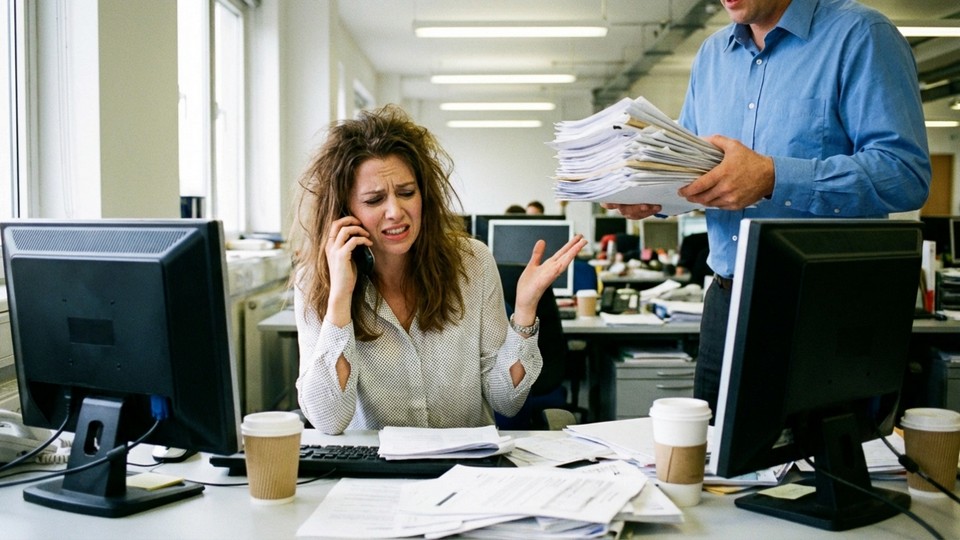
Stress manifests not only in thoughts, but also in the body and behavior. Typical signs of stress include:
If stress persists over a longer period, it can lead to burnout, depression, or other serious health problems.
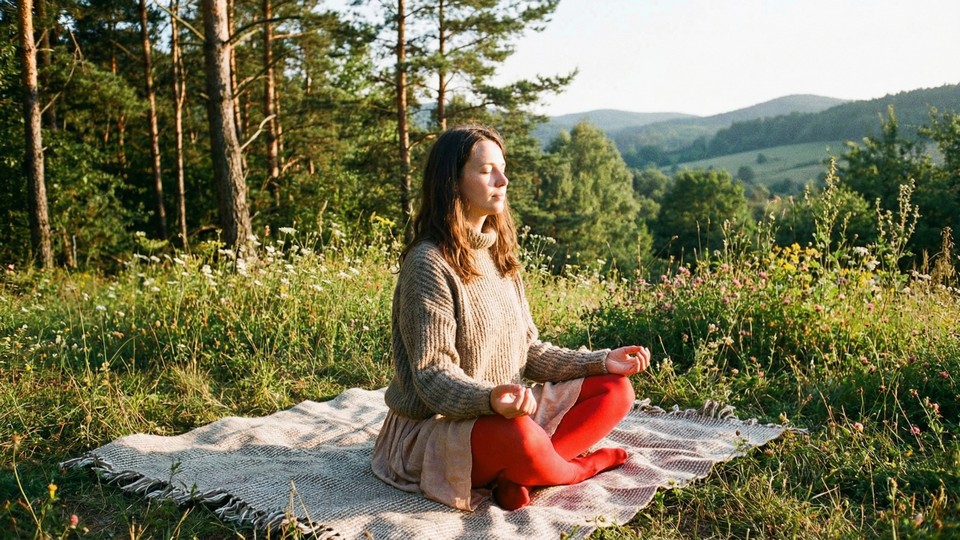
Fortunately, there are many ways to prevent and manage stress. The most important thing is to take the symptoms seriously and seek help in time.
Employers also have a responsibility to prevent stress in the workplace. This can be achieved through clear communication, realistic expectations, and the opportunity to influence one's own tasks.
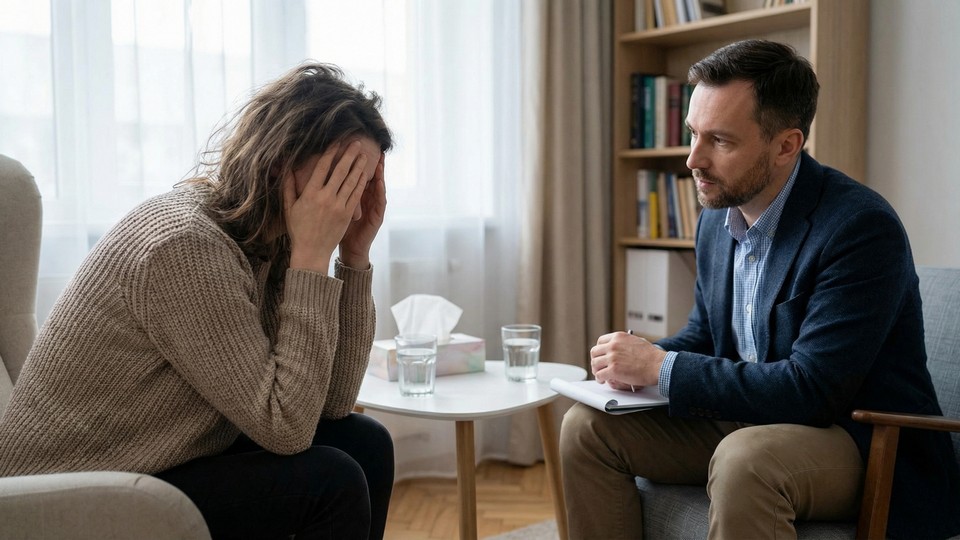
If you experience prolonged symptoms of stress that do not disappear after a holiday or small changes in your daily life, you should seek professional help. Your own doctor, a psychologist, or a stress coach can help you move forward.
Stress is a natural reaction to pressure, but it must not become a permanent condition. By learning to recognize your own stress signals and addressing them, you can strengthen both your mental and physical health. Remember, you are not alone – and there is help and support available if you need it.