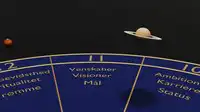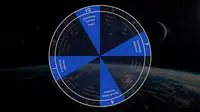
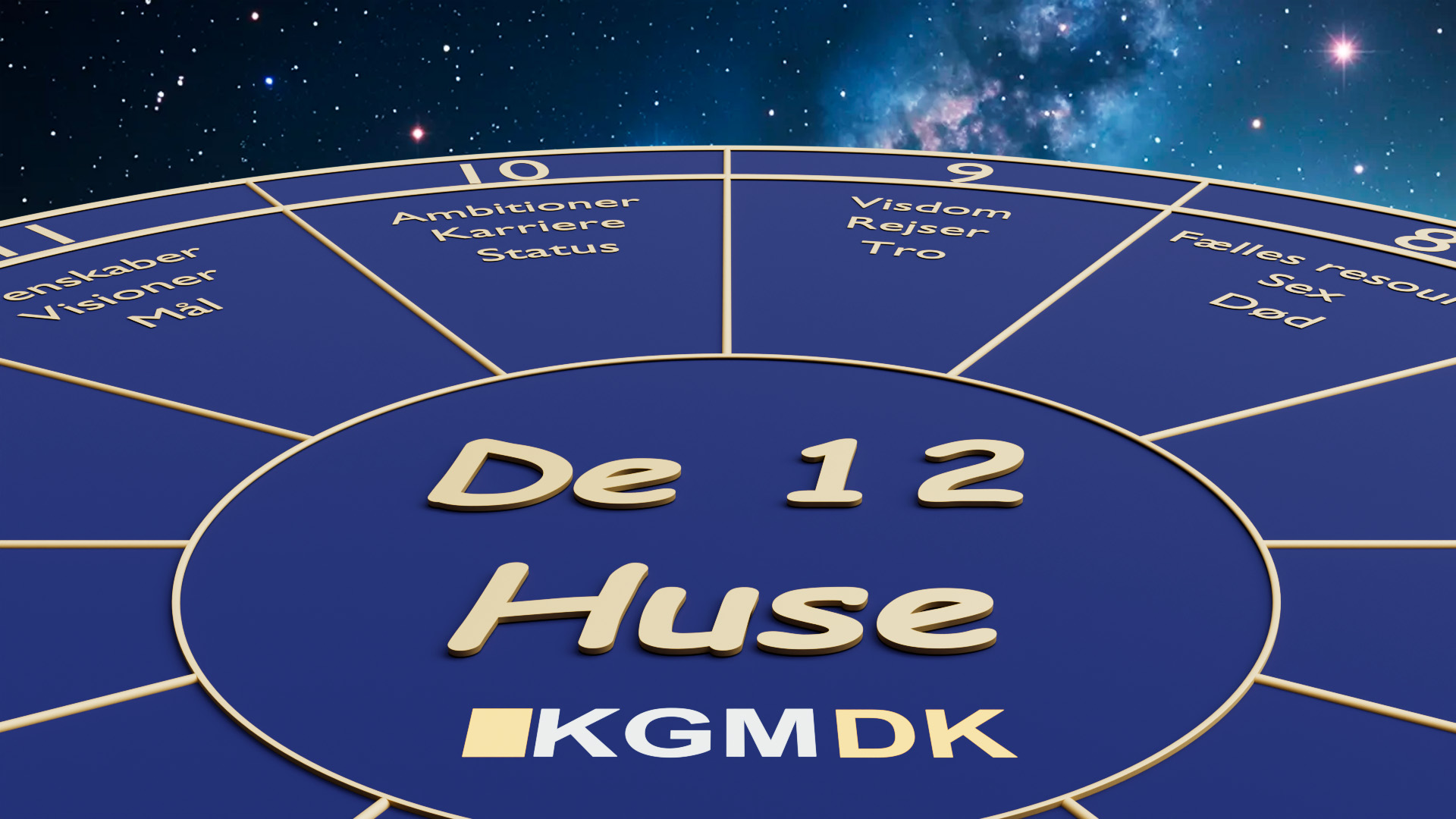


In astrology, the 12 houses form the foundation for how the energies of the planets and signs play out in different areas of life. Where the zodiac signs tell how something is expressed, and the planets tell what it is about, the houses tell where it happens.
The houses are therefore a kind of cosmic stage division: Each of the 12 houses corresponds to a specific area of life – from personality and values to relationships, career, and spirituality. When you look at your birth chart, the placement of the planets in these houses will tell you which areas of life are most active and central for you.
The 12 houses form a circle of 360 degrees, just like the zodiac signs. But instead of following the fixed order of the zodiac, the houses start with your ascendant sign – the zodiac sign that was rising on the horizon at the moment you were born. This forms the beginning of the 1st house, and the rest of the houses follow in order.
The first six houses (1–6) describe the inner, personal world. The last six (7–12) focus on relationships, society, and spiritual themes.
Also called the house of the Ascendant. It's about your identity, your appearance, and how you instinctively react to the world. Planets in the 1st house color the way you meet life and other people.
Here we find themes around finances, security, and self-worth. It's not just about money, but also about what you find valuable – both materially and emotionally.
Represents thinking, language, curiosity, and short journeys. It also includes siblings, neighbors, and everyday communication.
Also known as IC (Imum Coeli). Concerns your home, childhood, family, and emotional foundation. A strong 4th house indicates a need for inner security and roots.
This is the house's stage – it's about play, art, children, love, and everything that brings joy. Here we find your ability to express yourself freely and create something unique.
Relates to daily routine, service, workplace, and physical health. Planets here often indicate where you contribute, organize, and create structure in your life.
Also called the house of the Descendant. It's about your close, often romantic, relationships – but also professional collaborations. It shows what you seek in others, and how you relate to them.
One of the most intense houses in the chart. Here are themes such as psychological depth, sex, death, rebirth, other people's resources, and the hidden. It is the house's “underworld.”
Represents higher education, spirituality, worldview, and travel – both geographical and mental. It's about expanding horizons and seeking meaning.
Also known as MC (Medium Coeli). The highest point in the chart. Symbolizes ambition, social role, public image, and life goals.
This is where community lives. It's about social networks, groups, hopes, ideals, and visions for the future. Planets here often show how you fit into larger contexts.
The last house is associated with the hidden: dreams, intuition, solitude, and spirituality. It can also contain old patterns that need to be released, and a longing for inner peace.
When you interpret a chart, you look at which planets are placed in which houses, as well as which zodiac sign “rules” each house. The combination of planet + house + sign tells a story about how a particular energy expresses itself in a particular area of life.
Example: If you have Venus (love) in the 10th house (career), relationships and aesthetics may play a role in your public role – you are attracted to harmonious collaborations or creative professions. If you have Mars in the 1st house, you may have a strong and energetic presence.
The four most important points in the chart are called “axis lines” and are connected to four of the houses:
These four corners of the chart form a cross, which defines your personal and social axis, and are central in any interpretation.
The 12 houses create the structure for how astrology unfolds in practice. They show that astrology is not just about personality traits, but also about the concrete areas of life – from job to relationships, from everyday life to soul.
By understanding the meaning of your houses and the placement of the planets in them, you can gain deeper insight into the themes of your life, your potentials, and your challenges. It's like gaining access to a cosmic blueprint of yourself.
In upcoming articles, we will dive even deeper into how the planets interact with the houses, and how you can learn to interpret your own chart step by step.