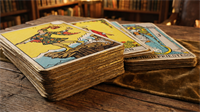
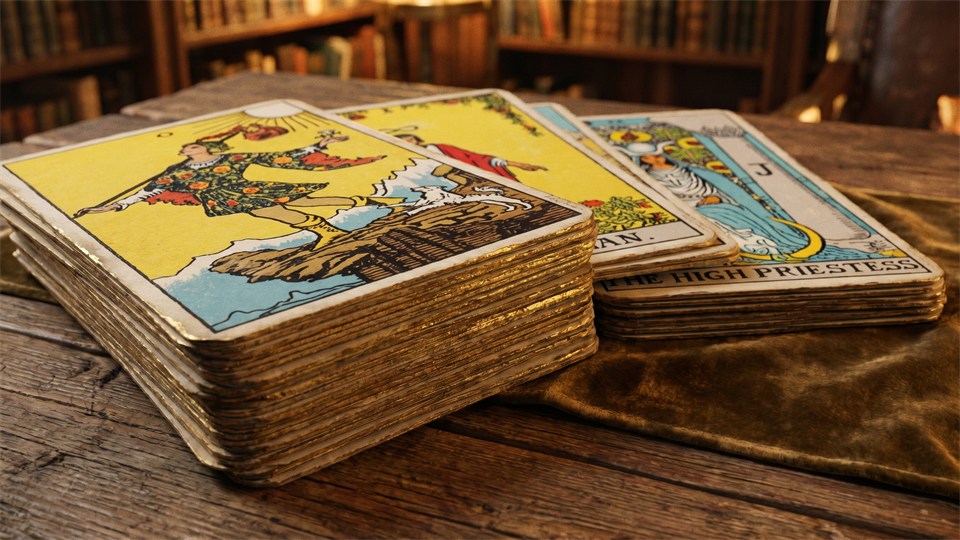


The 22 cards of the Major Arcana are among the most well-known symbols in tarot. Even people who have never drawn a card have often heard of the Fool, Death, or the World. The cards are used as tools for reflection, conversation, and interpretation, and many people experience them as an exciting hobby in their free time. For beginners, however, they can seem a little mysterious, because each card contains several layers of meaning. This guide gives you a clear overview of what the Major Arcana is, how the 22 cards connect, and how you can begin to understand them without getting lost in difficult concepts.
The Major Arcana is the part of a tarot deck that consists of 22 special cards, numbered from 0 to 21. While the other cards in a classic tarot deck often deal with everyday life, situations, and concrete events, the Major Arcana is typically associated with larger themes in life. These can include choices, development, crises, maturity, hope, and endings. Many therefore see these cards as a kind of symbolic map of the human inner journey. This does not mean that the cards should be understood as fixed predictions. For most beginners, it is more useful to see them as images that put words to feelings, patterns, and phases of life that many people can recognize.
The name "Arcana" comes from a word meaning something hidden or secret. In practice, however, this does not mean that the cards are meant to be inaccessible. On the contrary, they can be read in a simple way if you start with their basic themes. Each card often has a title, a number, and a visual world full of symbols. Some cards seem bright and uplifting, while others may seem more serious. But even the most dramatic cards rarely point only to something negative. They often show change, learning, or a necessary transition. That is why the Major Arcana is popular among beginners who want to work with symbolism and personal reflection.
If you want to get to know the Major Arcana, it is a good idea to begin with short keywords. The Fool often stands for beginnings, freedom, and the courage to take the first step. The Magician is associated with willpower, action, and the ability to use one's resources. The High Priestess points toward intuition, silence, and inner knowledge, while the Empress often concerns growth, care, and creative power. The Emperor is linked to structure, responsibility, and stability. The Hierophant is associated with tradition, learning, and shared values. The Lovers is not only about love, but also about choices and relationships. The Chariot points toward direction, control, and forward movement.
After this come cards such as Strength, which often concerns inner calm, courage, and self-control, and the Hermit, which points to reflection, seeking, and wisdom. The Wheel of Fortune is associated with change, cycles, and unpredictability. Justice is about balance, truth, and consequences. The Hanged Man may seem strange at first glance, but is often associated with pause, a new perspective, and surrender. Death is one of the most misunderstood cards and usually concerns endings, transformation, and transition. Temperance points toward harmony, patience, and the blending of opposites. The Devil can symbolize attachments, temptations, or patterns that are hard to let go of. The Tower often concerns sudden breaks, realizations, and the collapse of what no longer holds.
The final cards in the sequence often open up a more hopeful and mature perspective. The Star is associated with hope, healing, and trust. The Moon points toward dreams, uncertainty, imagination, and the unconscious. The Sun stands for clarity, vitality, and joy. Judgement is about awakening, realization, and a call to see yourself more clearly. Finally comes the World, which often symbolizes wholeness, completion, and fulfillment. When you look at the cards together, it becomes clear that they are not just isolated images. They can also be read as a journey through the many phases of life, where a person moves from spontaneous beginnings to greater understanding and wholeness.
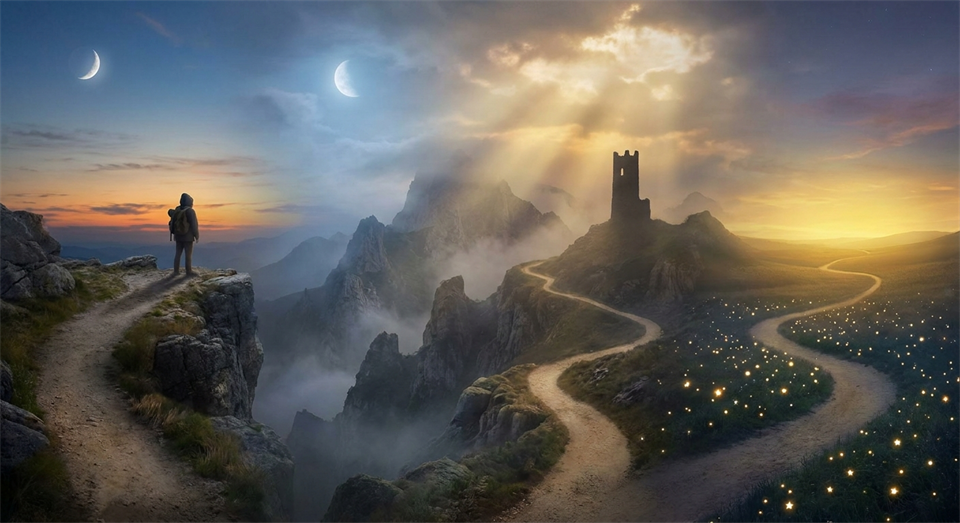
Many people learn the Major Arcana through what is often called the Fool's journey. The idea is that the cards together tell the story of a person's development. The Fool, who has the number 0, stands at the beginning. He is open, curious, and not yet shaped by experience. On his path, he encounters different forces and lessons, which are reflected in the other cards. The Magician shows action, the High Priestess shows inner knowledge, and the Emperor shows structure. In this way, the cards can be understood as stations on an inner or outer journey that many people go through several times in life.
The smart thing about this way of learning the cards is that it makes the symbols easier to remember. Instead of seeing 22 disconnected cards, you can see a progression. A person begins with innocence or spontaneity, encounters rules and relationships, is challenged by choices and resistance, experiences loss and change, and may eventually find a greater peace or wholeness. This does not mean that all readings should be interpreted in this order, but as a learning tool it is very useful. For beginners, it can help to write down keywords for each card and think about how the themes also appear in ordinary life experiences such as starting a new job, ending relationships, or finding direction in everyday life.
When you begin working with the Major Arcana, you do not need to memorize all the traditional meanings. The most important thing is to start with three layers: the card's title, the overall theme, and your immediate reaction to the image. If, for example, you draw the Sun, you can first think of words such as joy, energy, and clarity. Then you can ask yourself what in the image seems open, warm, or alive. Finally, you can connect it to the situation you are thinking about. In this way, interpretation becomes more grounded and less dependent on fixed answer lists. This makes tarot easier to use as a hobby and a tool for reflection.
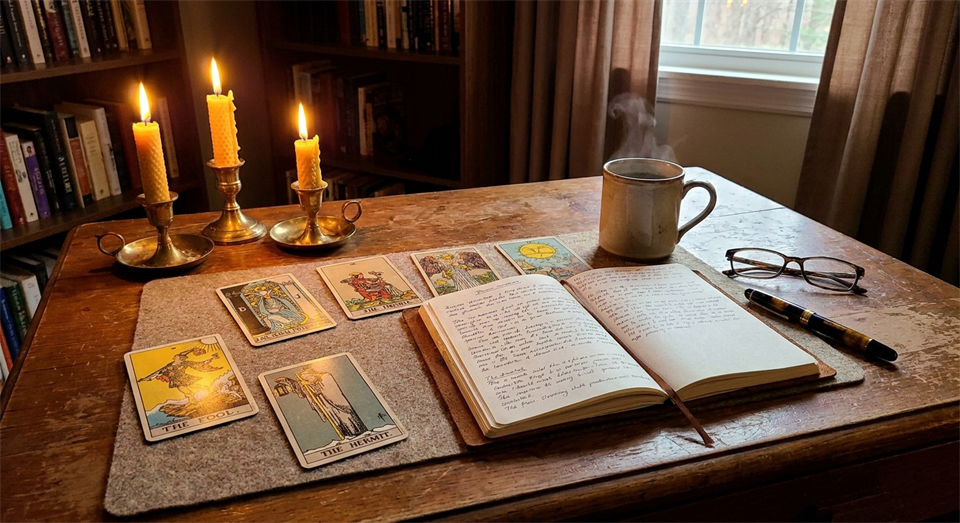
It is also important to remember that a card rarely means only one thing. Death can, for example, point to a necessary ending, but it can also be about letting go of old habits. The Tower can show unrest or sudden change, but also the liberation that comes when something false falls away. That is why context matters. What question are you asking? Which other cards are lying next to it? How does the card feel in the situation? Many beginners get the most out of keeping a small notebook where they write the date, the card, and their own thoughts. After some time, you will discover that the meanings of the cards become more vivid, because you have experienced them through your own examples rather than only through other people's explanations.

A large part of the Major Arcana's strength lies in its symbolism. Many cards show figures, animals, celestial bodies, buildings, or specific body postures that can add extra meaning. A mountain, for example, can point to challenge or distance, water can be linked to emotions and movement, and light can symbolize clarity or hope. Colors also play a role. Gold and yellow are often associated with consciousness, warmth, and energy, while blue can point toward calm, depth, or intuition. When the same symbols recur across cards, it becomes easier to see patterns. This makes the reading richer, but also more exciting for anyone who enjoys immersing themselves in images.
As a beginner, you do not need to analyze every single small sign. Instead, start by noticing the clearest elements. Is the figure active or passive? Is the scene calm or chaotic? Is there light or darkness? Does the card seem to open something or close something? This simple image reading is often enough to get started well. Over time, you may discover more details and build on your understanding. Many people find that the Major Arcana becomes more interesting the longer they spend with it, because the cards can feel different depending on mood, life situation, and question. That is precisely part of the hobby's appeal.
If you want to learn all 22 cards without becoming overwhelmed, you can take them in small groups. You can, for example, start with the first seven cards and focus on identity, learning, and direction. Then you can take the middle group, where the themes often become more challenging with inner strength, solitude, change, and transformation. Finally, you can work with the last cards, which often revolve around hope, doubt, enlightenment, and wholeness. Another good method is to draw one card a day and write three words about it. After a few weeks, you will begin to remember both names and moods far better than if you try to memorize everything at once.
You can also practice by comparing cards that resemble each other. The Moon and the Sun both deal with light, but in completely different ways. The Empress and the Emperor both concern creative power, but one is more nurturing and the other more structuring. Death and Judgement both deal with change, but the first often points to an ending, while the second points to awakening and new understanding. When you see the differences, the cards become clearer. The most important thing is not to learn a perfect theory, but to build a solid foundation so that you feel at home in the world of the cards and can use them with calm and curiosity.
The 22 cards of the Major Arcana are fascinating because they gather major human themes into a series of powerful images. For beginners, it is an advantage to approach them simply: one card at a time, with a focus on the basic theme, symbolism, and personal reflection. You do not need to believe in anything specific to enjoy them. Many people use them as a creative leisure interest that sharpens attention, language, and self-awareness. The more you work with the cards, the more you will discover that they are not only old symbols, but also mirrors that can help you think more clearly about life's many transitions, choices, and possibilities.