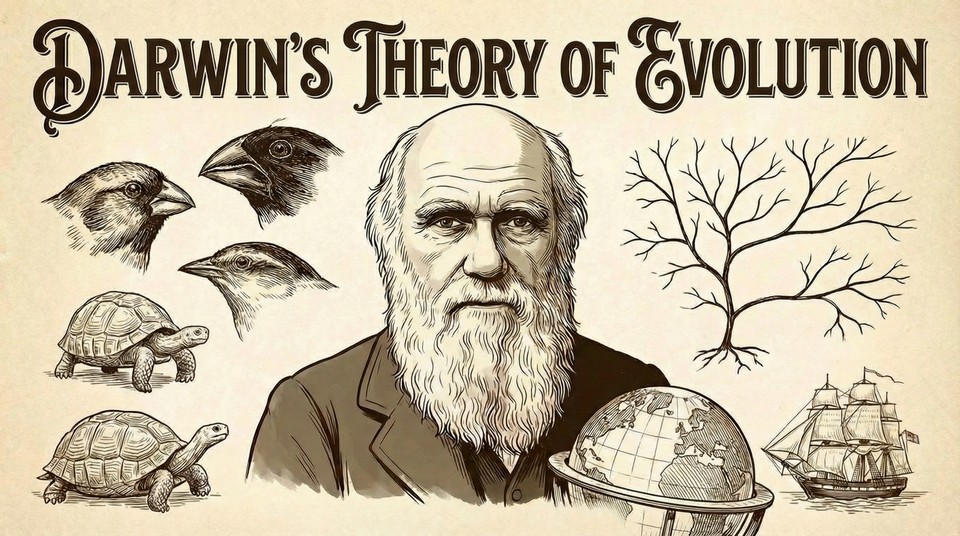


The theory of evolution is the scientific explanation of how life on Earth has developed and changed over time. The theory was first thoroughly formulated by Charles Darwin in 1859 through the work "On the Origin of Species." Since then, the theory has been confirmed and expanded through countless observations, experiments, and modern genetic research.
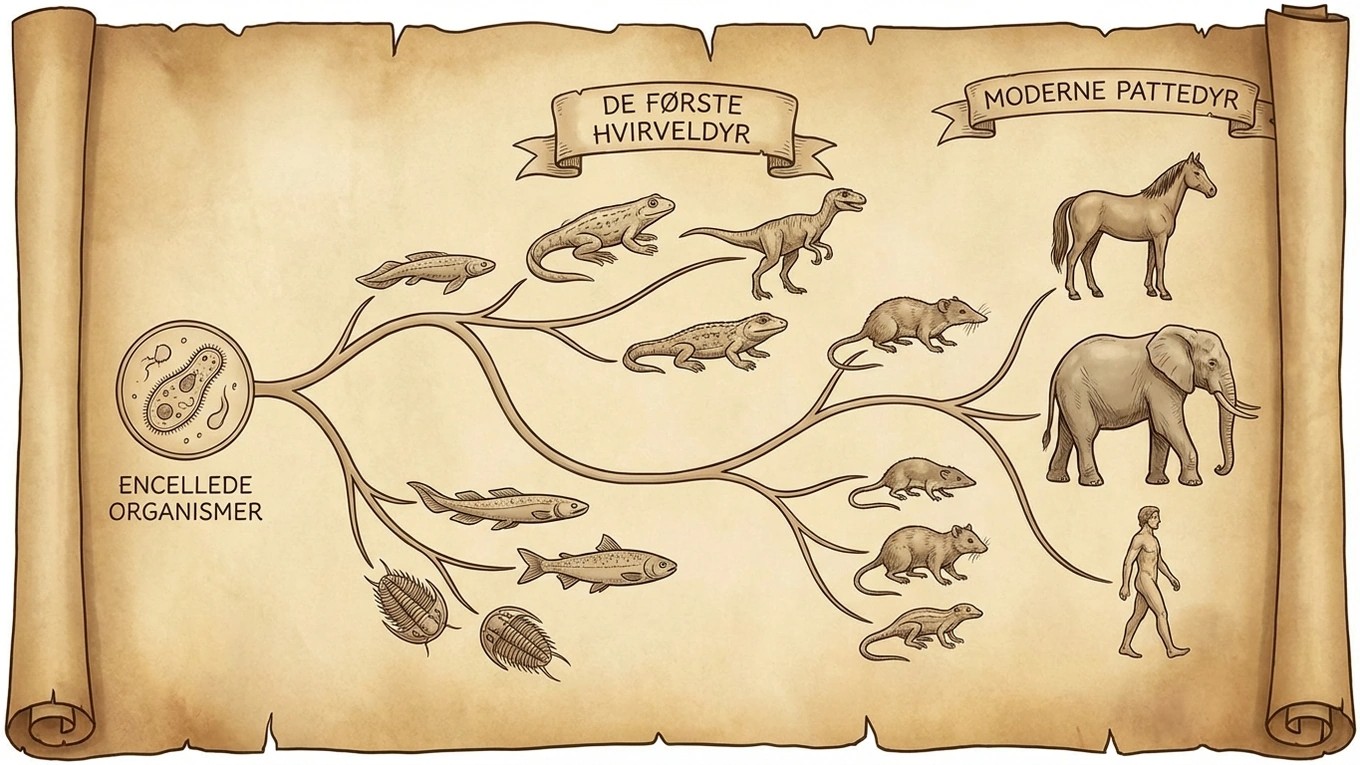
Individual organisms within a species vary in their characteristics, such as size, color, strength, or behavior. These differences are due to both genetic mutations and recombination of hereditary material during reproduction.
Natural selection means that the individuals whose traits best fit the environment have the greatest likelihood of surviving and reproducing. Over time, the best-adapted traits will spread in the population.
Traits are passed on from parents to offspring via genes. Mutations can lead to new traits, which can spread if they are beneficial.
Over many generations, small changes can accumulate and lead to the formation of new species if populations are separated and develop independently of each other.
Fossil finds document a gradual development of life from simple to more complex forms. Transitional fossils, such as Archaeopteryx, show intermediate forms between, for example, dinosaurs and birds.
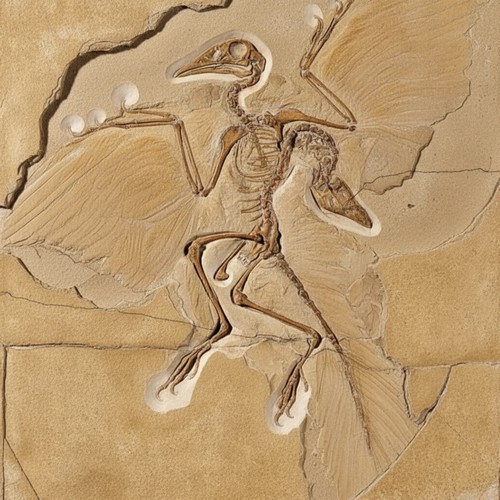
Different species can have the same basic body parts, adapted for different purposes, e.g., the human arm, the whale's flipper, and the bird's wing. This suggests a common origin.
Modern DNA analyses show that all living organisms share fundamental genetic mechanisms. Similarities in DNA sequences reveal evolutionary relationships, even between very different species.
Bacteria reproduce quickly, and mutations can make individual bacteria resistant to medicine. These survive and spread, which is a contemporary example of natural selection.
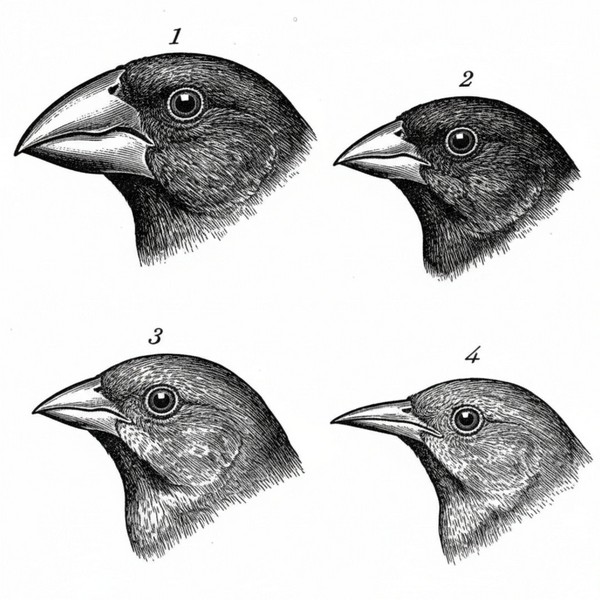
On the Galapagos Islands, finches developed different beak shapes depending on available food. This is a classic example of speciation through adaptation.
The theory of evolution does not say that humans descend from present-day apes, but that humans and apes share a common ancestor, which has long been extinct.
In scientific terms, a theory is an explanation that has been thoroughly tested and supported by data. The theory of evolution is one of science's best-supported theories.
The theory of evolution is the foundation of modern biology. It makes it possible to understand everything from disease control to the conservation of endangered species. Agriculture, medicine, and biotechnology are also based on evolutionary principles.
Scientists are still investigating how new species arise and how the pace of evolution varies. Especially epigenetics and horizontal gene transfer in microorganisms are new fields that expand our understanding of evolution.
Human activities, climate change, and globalization today affect evolution. For example, changed environmental conditions can lead to rapid adaptation among animals and plants – and challenges with resistant bacteria require constant scientific attention.