

Electric cars have, in just a few years, changed the landscape of personal transportation. From niche vehicles to the choice of the masses, the electric car has gained momentum – driven by climate goals, technological development, and improved infrastructure. But what actually happens under the hood, and how does charging work in practice? In this article, we take a closer look at the heart of the electric car – the battery – and the different ways you can charge, both at home and on the go.
Instead of a combustion engine, electric cars use a battery to store energy and an electric motor to convert this energy into movement. The battery is therefore crucial for the car’s range, performance, and lifespan.
In the early days of electric cars, lead-acid batteries were used, as we know from traditional starter batteries. These were heavy, inefficient, and had a short lifespan. Over time, the technology has improved significantly.
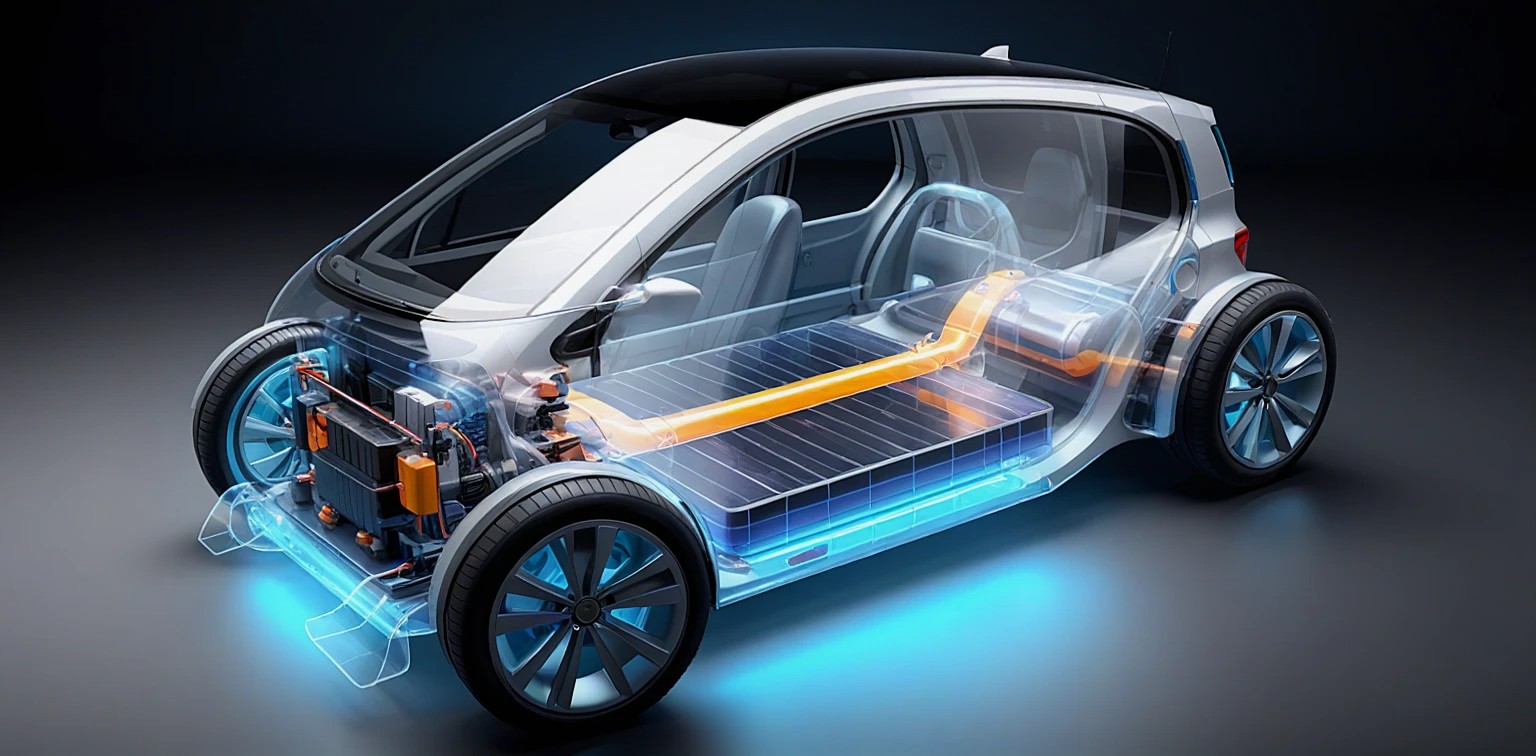
An electric car battery’s capacity is measured in kilowatt-hours (kWh). The higher the kWh, the longer the range. A small city car typically has a battery around 40–50 kWh (approx. 250–350 km range), while larger electric cars have up to 100 kWh or more (over 500 km range).
The range also depends on factors such as driving style, temperature, wind resistance, and use of air conditioning.
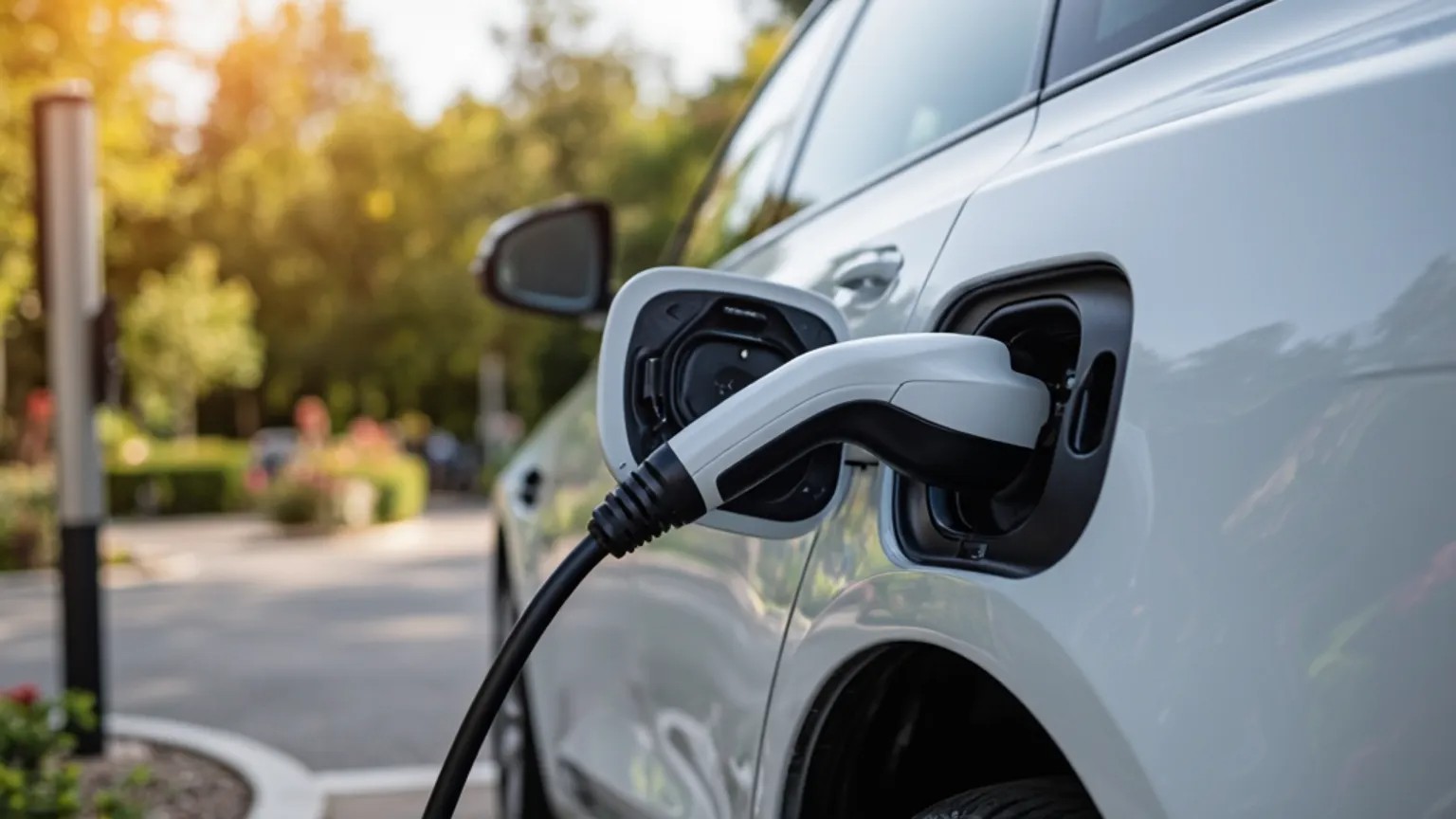
One of the biggest advantages of electric cars is that you can “refuel” at home. But there are several types of chargers and plugs, and it can seem confusing. Here is an overview.
The most practical charging method for most electric car owners. It can be done in two ways:
Along highways, at shops, parking lots, and in cities, you’ll find public charging stations. Here are the three main types:
Note that the above are estimates, which vary greatly from car to car. Some cars have a very flat charging curve, where the charging speed is kept constant for a long time, which means faster charging speed when charging for longer periods.
Charging speed depends on three things:
Several electric cars and apps offer the option for scheduled charging at night, when electricity is cheapest and the grid is least loaded. This is good for both economy and the climate.
Electric cars are not just an environmentally friendly solution – they are also technologically advanced and practical, especially with the right charging structure. Battery technology is developing rapidly, and so is the charging network. With solid infrastructure and an understanding of charging, the electric car becomes a natural choice for many in the future of transportation.
Whether you are considering an electric car as a commuter, family car, or city vehicle, it is important to familiarize yourself with battery capacity, charging types, and daily needs – that way you get the most out of both range and driving experience.