



Beer is one of humanity’s oldest beverages and has been a staple of cultures around the world for millennia. It is enjoyed in countless social settings – whether at a bustling pub, a sunny beer garden, or a cozy evening at home. Despite the incredible diversity of styles, all beer starts with the same simple foundation: water, malted grain, hops, and yeast.
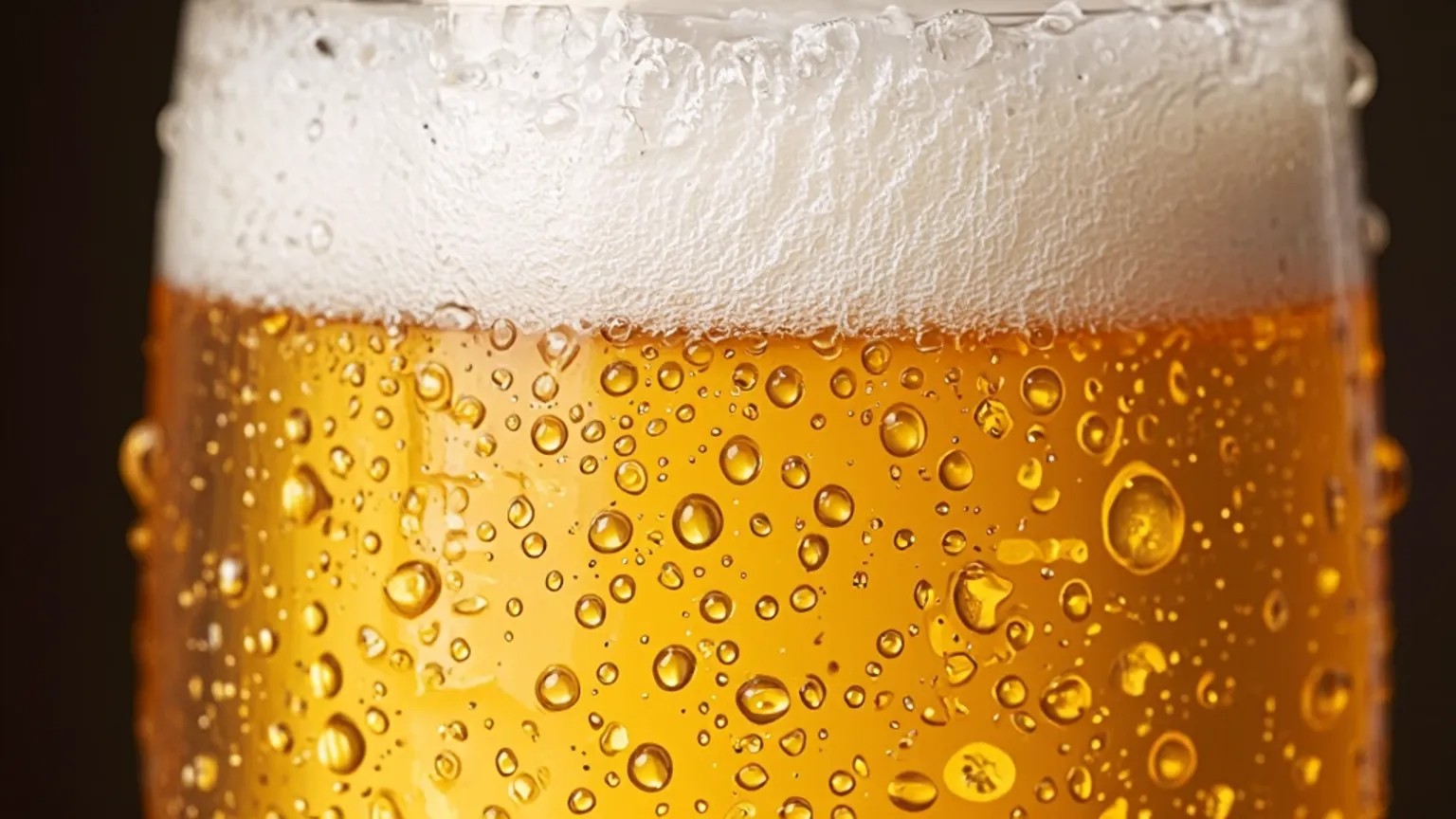
The beauty of beer lies in its variety. From light and crisp lagers to dark, velvety stouts, there is a beer for almost every taste and occasion. Whether you are a curious beginner or just want to understand your pint a little better, this guide will help you explore the wide world of beer.
The history of beer begins over 7,000 years ago, when early brewers in ancient Mesopotamia fermented grain-based beverages. Over time, brewing techniques spread through Egypt, Europe, and beyond, becoming intertwined with cultural rituals and daily life.
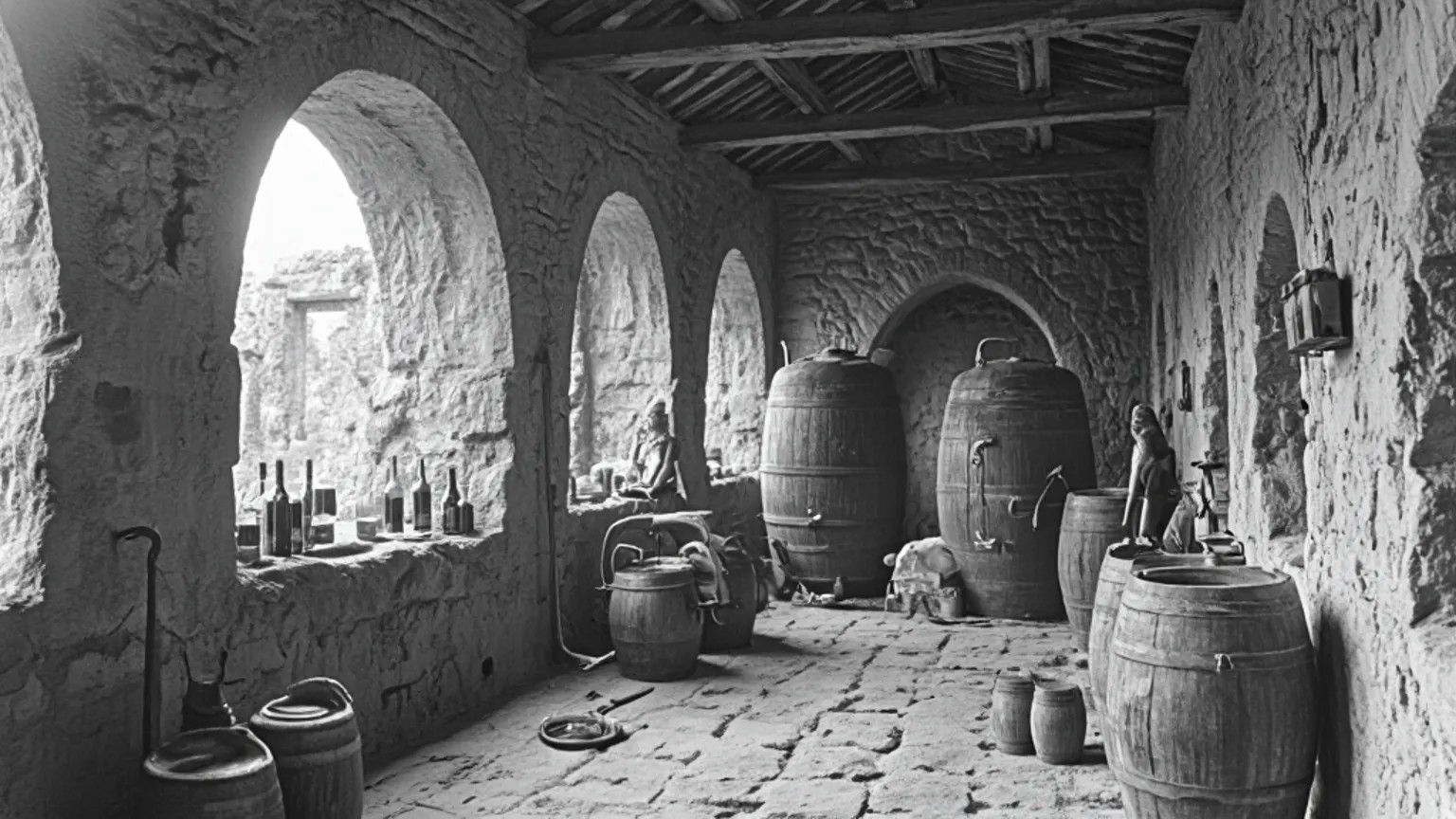
In medieval Europe, beer was often safer to drink than water and was a household staple. The introduction of hops in the 9th century revolutionized beer, providing both flavor and natural preservation. By the time of the Industrial Revolution, technological advances made beer production more consistent and scalable.
Today, we live in a golden age of beer, with an explosion of creativity from craft brewers around the world. The story of beer is still being written with every new brew.
The essence of beer comes from four basic ingredients, each contributing unique characteristics to the final product. Understanding them helps demystify what’s in your glass.
| Ingredient | Description |
|---|---|
| Water | The primary ingredient in beer, making up over 90% of its content. The mineral composition of the water can subtly affect the flavor |
| Malted grain | Typically barley, but sometimes wheat, rye, or oats. Provides the sugars needed for fermentation. They also contribute flavor, color, and body |
| Hops | The flowers of the hop plant. They add bitterness to balance the sweetness of the malt and provide a wide range of aromas, from floral to citrusy to piney. |
| Yeast | The unsung hero of brewing. It consumes sugars and produces alcohol and carbonation. Different yeast strains also add flavor notes, from fruity to spicy. |

One of the most exciting aspects of beer is its diversity. With hundreds of recognized styles and countless variations, there is always something new to discover.
Broadly speaking, beer is typically categorized as lagers or ales, based on the type of yeast used and the fermentation temperature. From there, styles branch out into an incredible spectrum of flavors, colors, and strengths.
| Type | Description |
|---|---|
| Pilsner | Light, crisp, with a pleasant hop bitterness |
| Helles | Soft, lightly malty German lager |
| Type | Description |
|---|---|
| Pale Ale | Balanced with noticeable hops and malt |
| IPA (India Pale Ale) | Bold, aromatic, and hop-forward |
| Porter & Stout | Dark beers with rich, roasted flavor notes |
These beer types often push boundaries or incorporate unique ingredients
| Type | Description |
|---|---|
| Sour beers | Tart, fruity, and refreshing |
| Wheat beer | Light, hazy, with notes of clove or banana from the yeast |
Tasting beer is about more than just drinking it – it’s about engaging your senses to appreciate the complexity of what’s in your glass. Whether you’re at a brewery or trying something new at home, taking the time to taste beer thoughtfully can be a fun and rewarding experience.

Here is a simple guide to help you explore beer:
| SENSE | Description |
|---|---|
| Appearance | Check color, clarity, and head. A beer’s appearance gives a clue to its style. |
| Aroma | Gently swirl the glass and sniff. You may detect aromas from hops, malt, yeast, or even added ingredients like fruit or spices. |
| Taste | Take a sip and notice the balance between sweetness, bitterness, and other flavor notes |
| Mouthfeel | Pay attention to texture and carbonation – light and bubbly or thick and creamy? |
Serving beer the right way enhances the experience. The right temperature and the right glass can highlight a beer’s best qualities. Likewise, beer is incredibly versatile when it comes to food pairings, complementing a wide range of dishes.
Serving Tips| Tip | Description |
|---|---|
| The beer glass matters | Different glasses highlight aroma, head retention, and carbonation |
| Temperature is important | Serve lagers colder (approx. 4-7°C) and ales a bit warmer (7-13°C) |
Pairing beer with food is about balance and contrast:
| Beer | Description |
|---|---|
| Light beers | With seafood, salads, or mild cheeses |
| Hoppy beers | With spicy dishes or rich, fatty foods |
| Dark beers | With roasted meats, chocolate, or desserts |
With so many choices, buying beer can feel overwhelming at first – but it’s also a fantastic adventure. Visiting local breweries or well-curated beer shops is a fun way to start exploring.
Remember that beer is best enjoyed fresh, especially beers like IPAs. Proper storage can also preserve flavor and quality:
| Tip | Description |
|---|---|
| Buy freshly produced | Check packaging dates when available, especially for hoppy beers |
| Store cold and dark | Store beer in a cool, dark place to avoid "skunky" off-flavors caused by light and heat. |
| Try the locals | Supporting local breweries introduces you to small-scale and seasonal beers |
The best way to start your beer journey is to taste and explore. Many breweries and bars offer tastings – small servings of several styles – so you can try a range without committing to a full pint.

You don’t need to worry about knowing all the terminology or styles right away. Just pay attention to what you like and what fascinates you. Beer enthusiasts and brewers are usually happy to answer questions and recommend beers. The key is to stay curious and enjoy the experience. Cheers to new discoveries!