



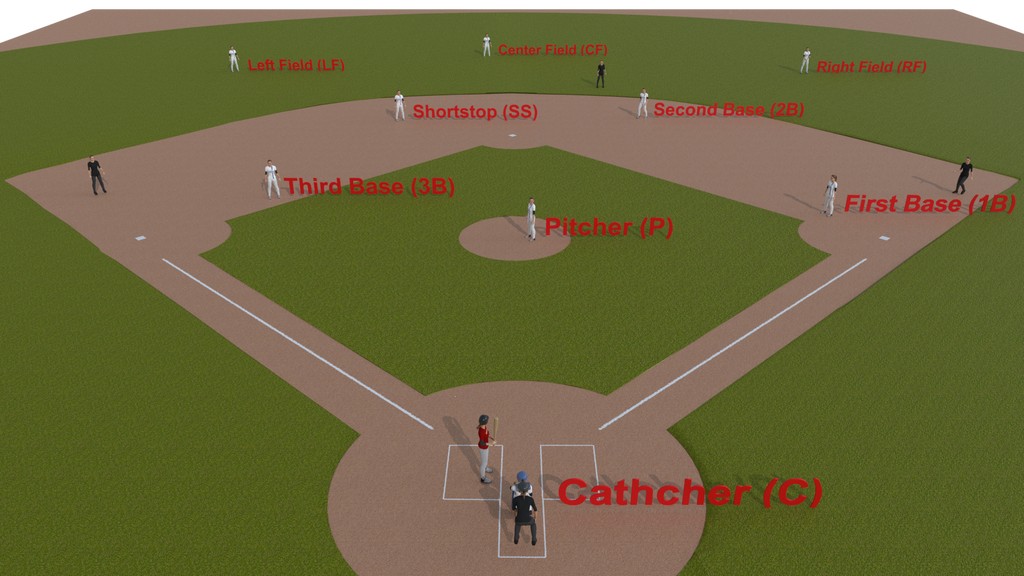
There are 9 players on each team in baseball, and they take turns being at bat and in the field. The defensive team has 9 players on the field, while the batting team only has batters on the field, who in turn get the opportunity to score points. Only the batting team can score points, which are scored by running around the field via the four bases called base 1 to 4. A round where both teams have had the opportunity to be at bat and in the field is called an inning, and a game consists of 9 innings. The batting team's inning ends when three players are called out.
The game is played by the pitcher throwing the ball, which the batter must try to hit. In front of the batter is the strike zone, which is the area over home plate and between the knees and the middle of the batter's torso.
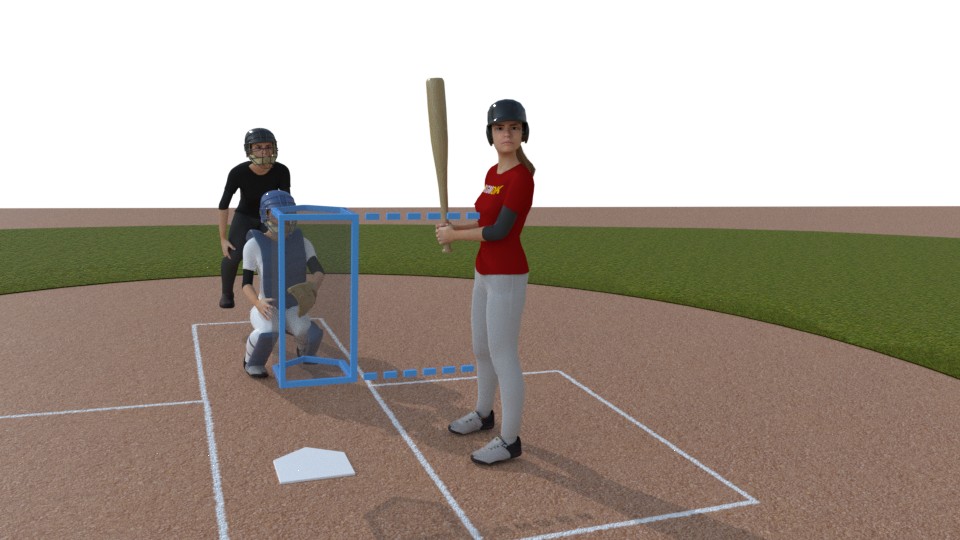
If the pitcher throws the ball through the strike zone without the batter hitting the ball, it is a strike. If the ball goes outside the strike zone and the batter swings at it without hitting, it is also a strike. After 3 strikes, it is a strikeout and the player is out.
If the ball goes past the strike zone and the batter does not swing at the ball, it is a so-called ball. 4 balls means the batter may walk to first base, a so-called Walk.
If the batter hits the ball, he must run to first base. If there are players on some of the bases, they can choose to stay or run, but since there can only be one player on each base, they are often forced to run to make room. If one of the batting team's players is on the way to a base that is touched by an opponent with the ball under control, the player is out. If the ball is caught by one of the defensive team's players, the batter is out.
As mentioned, the defensive team has 9 players on the field at a time. In addition to a designation, each position also has a number that is used to keep track of defensive stats.
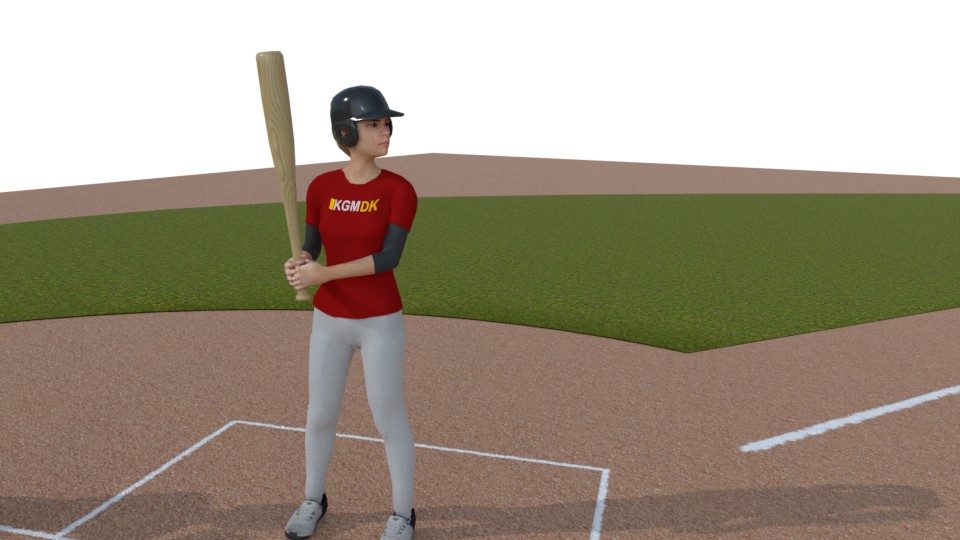
9 players from the defensive team take turns batting from a pre-defined list, which remains the same throughout the game and can only be changed by making substitutions on the team.
A batter must try either to become a 'Runner' himself or help other runners around the field. A runner is a batter who is on his way around the 3 bases. The batter can vary his swing depending on where there are runners on the bases.

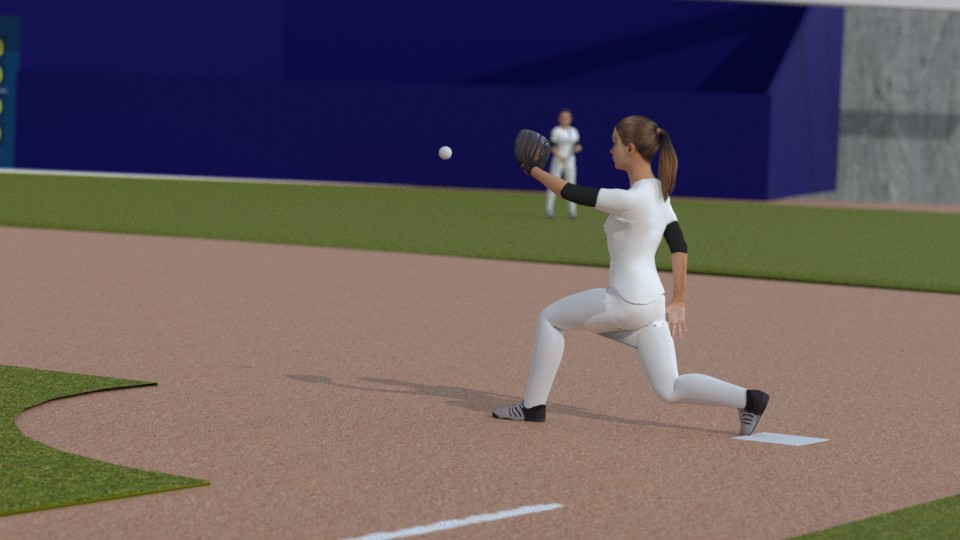
This player often has to cover a smaller area than the other infield players and must primarily be flexible and preferably left-handed.
The First Baseman positions himself based on whether the batter is right- or left-handed, and where the opponents (runners) are placed on the field. If there are no players at the bases, the First Baseman will position himself far from the base, and conversely, when the base needs to be defended, the First Baseman stands with one foot on the base and catches the ball with the opposite hand.
The Second Baseman covers the area between first and second base and covers a significantly larger area than the First Baseman, who primarily covers first base.
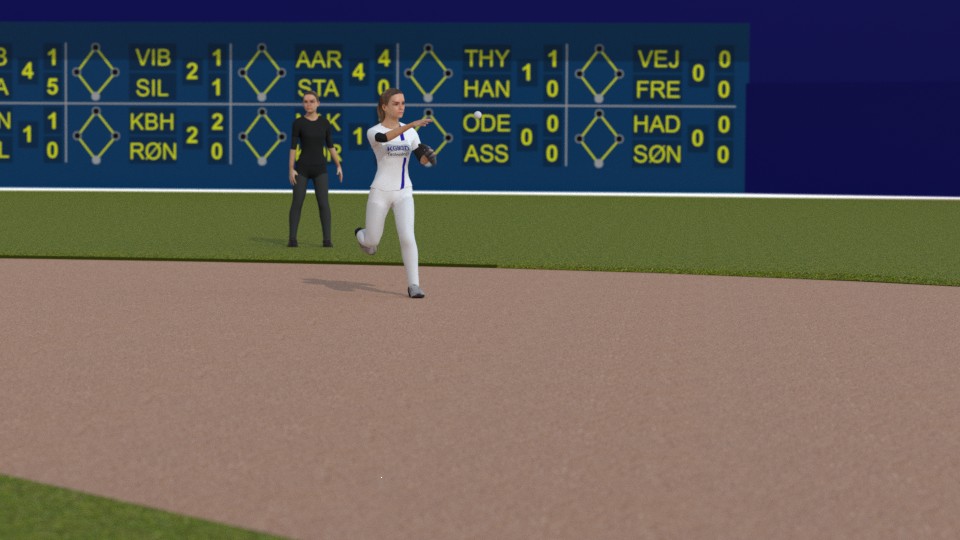
The Second Baseman must be able to catch the ball and throw it to the other bases. If the ball is caught by one of the other infielders, the Second Baseman must cover one of the bases. If there is a runner on first base, the Second Baseman will have to cover second base. If not, the Second Baseman may instead have to cover first or third base depending on who catches the ball and on which bases there are runners.
The Short Stop is the defensive player who receives the most balls, as right-handed players often hit in that direction.
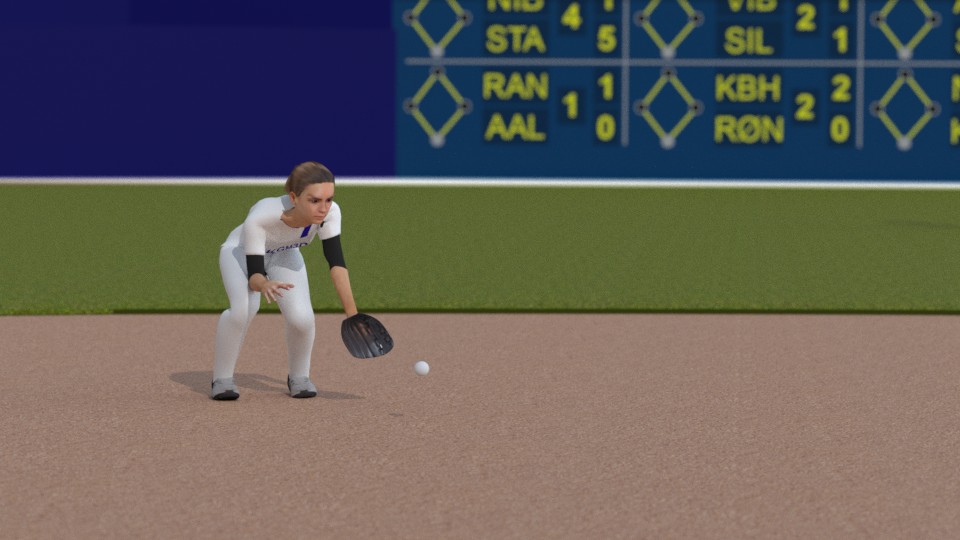
The Short Stop is the leader among the infield players and can direct all three of the other players. If the ball is hit to the Second Baseman, the Short Stop must cover second base.

Since they cover a large area, the outfielders must be fast and have quick reactions. These three players are responsible for catching the long balls.
 Since the balls are in the air longer, the players must to a greater extent anticipate the ball's path, and they do not have the same obligations to protect the bases as the infield players. Balls that are in the air for a long time will normally either hook or slice. Basically, a right-handed batter will hook if he hits it to the left (left field) and slice if the ball is hit to the right (right field). And the opposite for a left-handed batter.