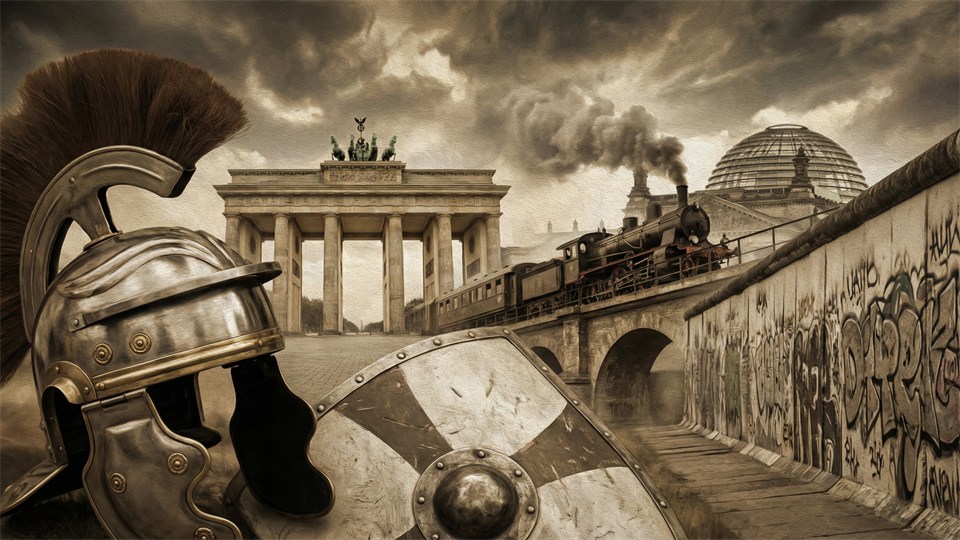


Germany has played a central role in European history for millennia. The country's development spans from the ancient Germanic tribes, through the Holy Roman Empire, Prussia's military power and the rise of the empire, to the dramatic world wars and the modern federal republic. Germany's history is filled with both cultural greatness and deep crises, and the country has left lasting marks on politics, philosophy, art, and science. This article provides a clear yet in-depth overview for beginners who wish to understand Germany's history and significance.
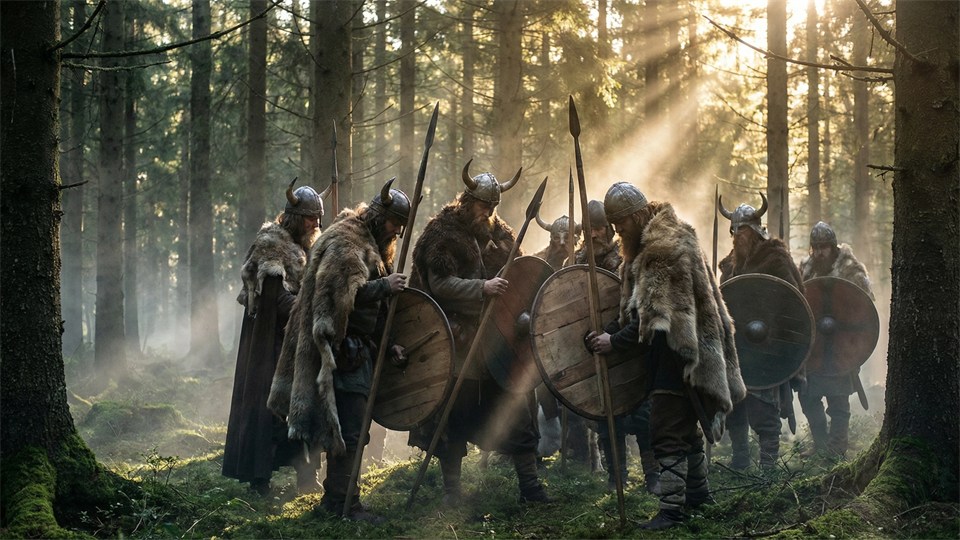
Before Germany became a unified nation, the area was inhabited by many different Germanic tribes, such as the Suebi, Cherusci, and Goths. They lived in small communities and often had conflicts with each other and with neighboring peoples. Particularly famous is the Battle of the Teutoburg Forest in 9 AD, where Germanic tribes under Arminius defeated three Roman legions. This battle stopped the Roman Empire's expansion north of the Rhine and gained great symbolic significance for German identity.
The Germanic societies were characterized by clan structures, with the family at the center. Their religion was polytheistic with gods such as Wotan (Odin), Donar (Thor), and Freya. They had no written tradition, but their myths and laws were passed down orally. Many of these stories were later written down in the Middle Ages and inspired, among others, Wagner and German Romanticism.
After the fall of the Roman Empire, what we now call Germany became the center of new kingdoms. Charlemagne united large parts of Western Europe and was crowned emperor by the papacy in the year 800. His empire was divided after his death but formed the basis for the Holy Roman Empire of the German Nation, which arose in 962 under Otto I.
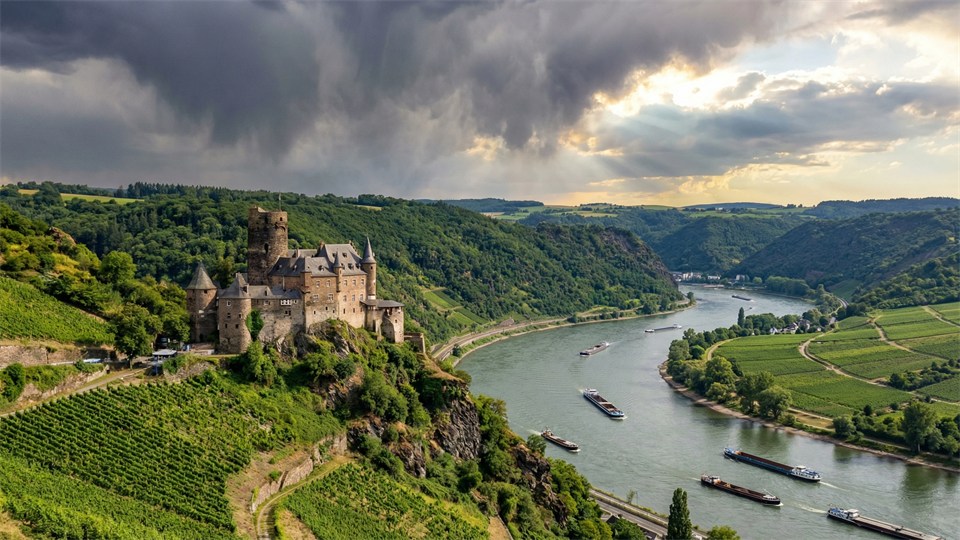
Medieval Germany was marked by feudal structures, where local princes, counts, and bishops held great power. The knighthood emerged, and many castles and fortresses were built. At the same time, cities flourished thanks to trade—especially the Hanseatic League, a network of trading cities, became crucial for the economy. Cities such as Lübeck, Hamburg, and Bremen grew and became cultural centers.
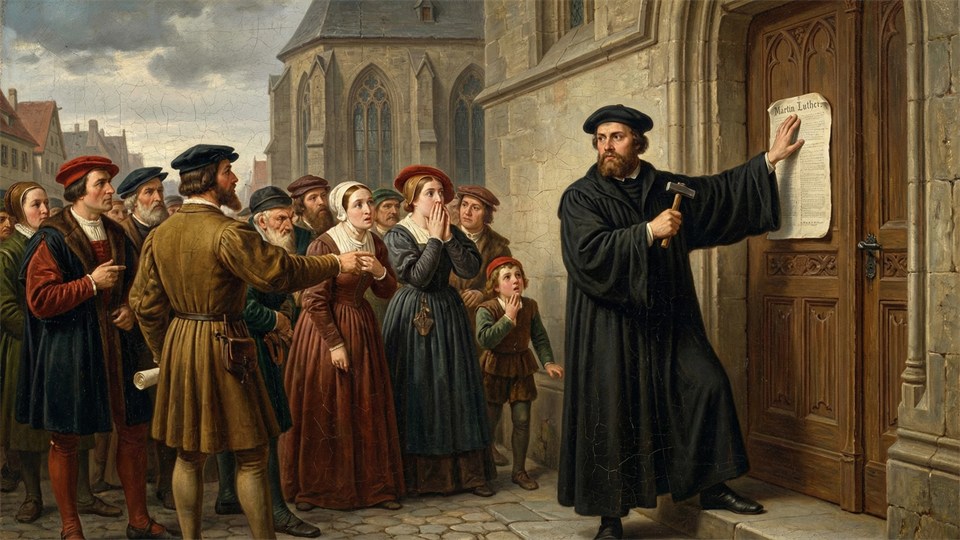
The church had enormous influence in the Middle Ages. Monasteries were centers for learning and art. But in the 16th century, Germany became the center of the Reformation when Martin Luther in 1517 posted his 95 theses in Wittenberg. This triggered violent religious and political upheavals, leading to the Thirty Years' War (1618-1648), one of the most devastating conflicts in European history.
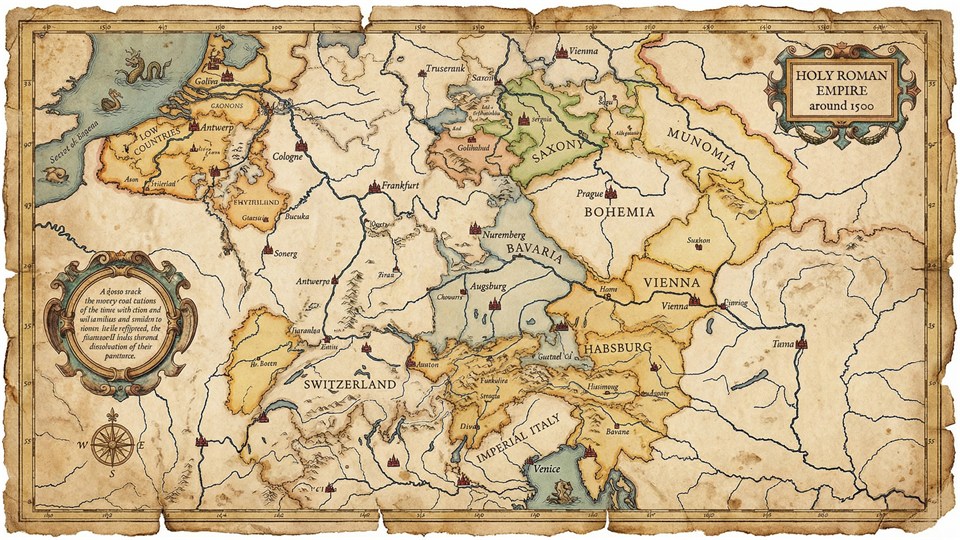
For centuries, Germany consisted of hundreds of small and large principalities, bishoprics, and free cities. This fragmentation made it difficult to unite the country and created fertile ground for many internal conflicts. The emperor held the title, but in practice, power was often weak, while local rulers governed their own areas.
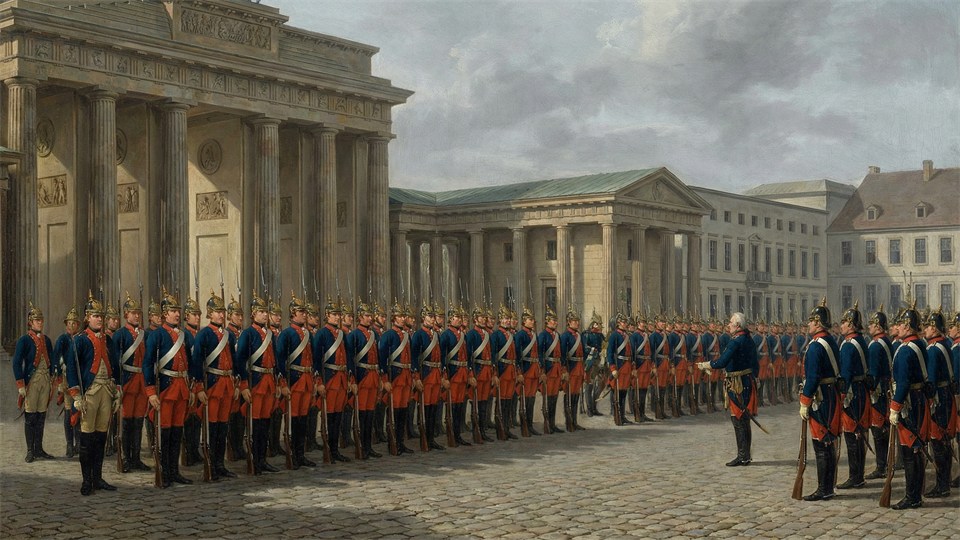
In the 18th century, Prussia emerged as a leading force. Under Frederick the Great, Prussia became known for its efficient administration and strong army. This laid the foundation for a later unification of Germany. Prussia became a model for discipline and education, and Berlin grew into a cultural and political center.
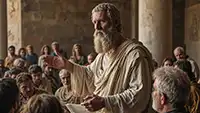
The 18th century was also the period of the Enlightenment, where philosophers such as Immanuel Kant and writers like Goethe and Schiller played a major role. Germany's universities became famous, and the country became known for profound philosophy, music, and literature. Bach, Beethoven, and later Brahms contributed enduring musical works that are still appreciated worldwide.
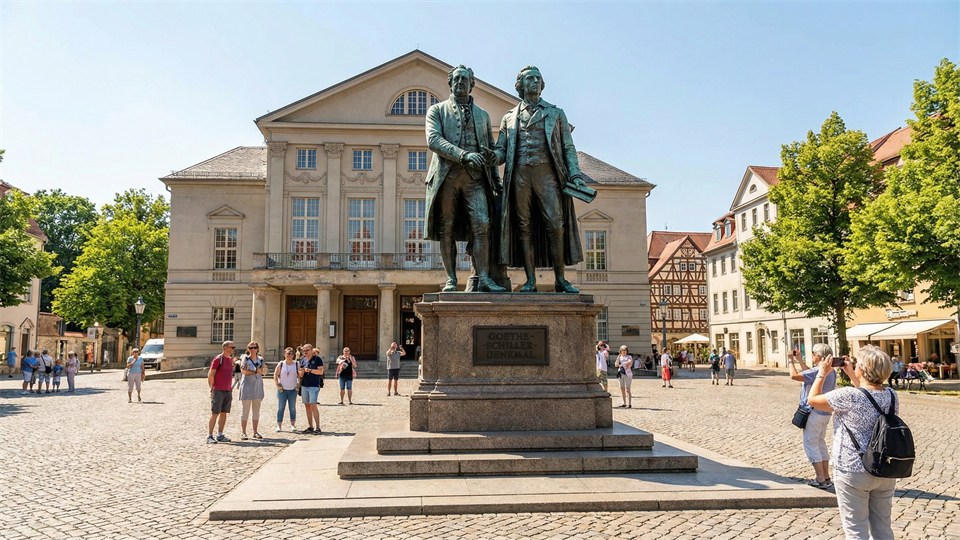
The 19th century saw a growing sense of nationalism. German Romanticism, both in art, literature, and philosophy, emphasized community, language, and history. The Brothers Grimm collected German folktales, and artists such as Caspar David Friedrich painted landscapes meant to inspire national pride.
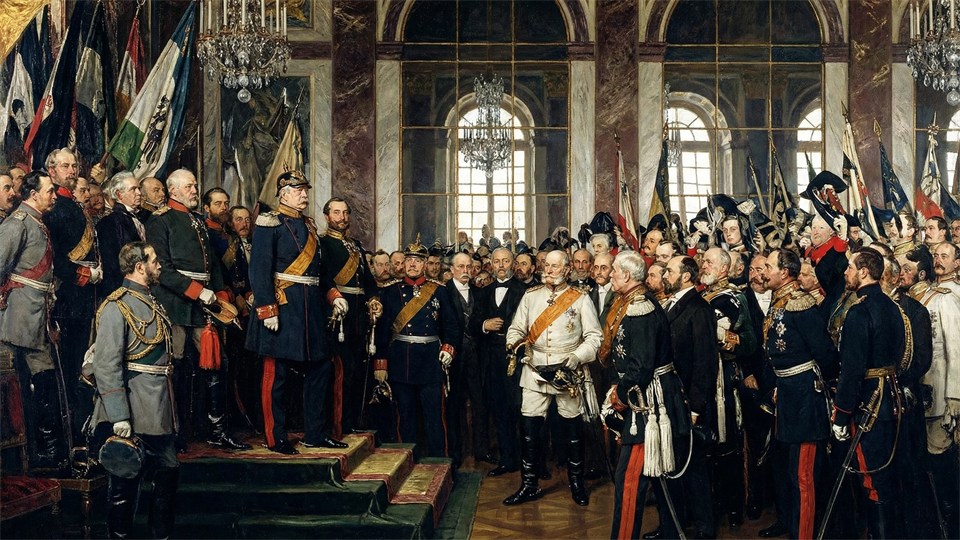
Otto von Bismarck, Prussia's chancellor, led the unification of Germany through a series of wars against Denmark (1864), Austria (1866), and France (1870-71). In 1871, the German Empire was proclaimed in Versailles, with Wilhelm I as emperor. The new state quickly became an industrial and military power, but was marked by internal tensions between the many federal states.
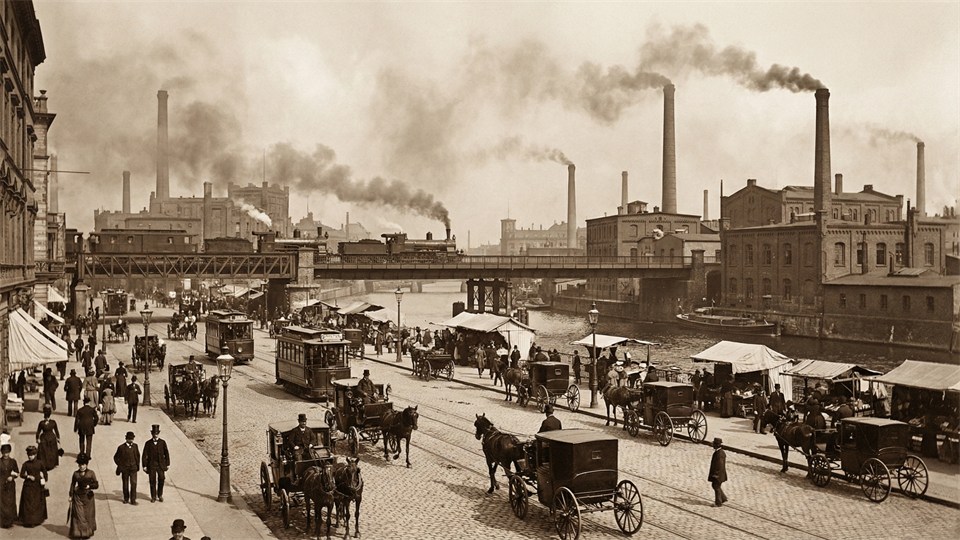
The imperial era was marked by rapid industrialization. Cities grew, railways were built, and Germany became a leader in chemistry, mechanical engineering, and science. At the same time, the labor movement grew, and new social tensions arose, especially between the conservative monarchy and liberal forces.
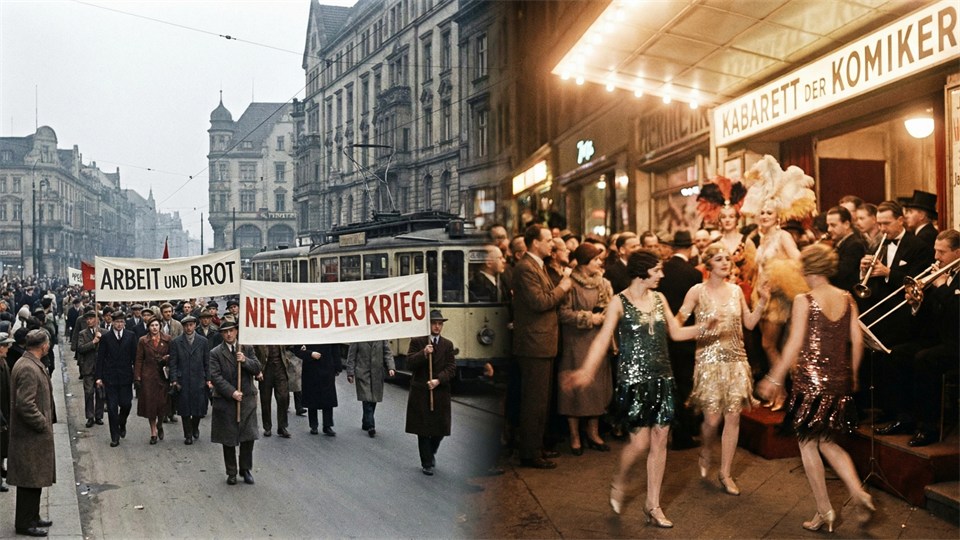
In 1914, World War I broke out. After four years of bloody fighting, Germany was defeated and had to accept harsh terms in the Treaty of Versailles. The emperor abdicated, and the Weimar Republic was established in 1919. It was a democratic but unstable period marked by economic crises, inflation, and political struggles between the left and right wings.
In 1933, Adolf Hitler and the Nazis came to power. They established a totalitarian regime, suppressed all opposition, and initiated horrific crimes, especially the Holocaust—the extermination of six million Jews and millions of others. World War II (1939-1945) brought unimaginable destruction to Europe and ended with Germany's defeat and division.
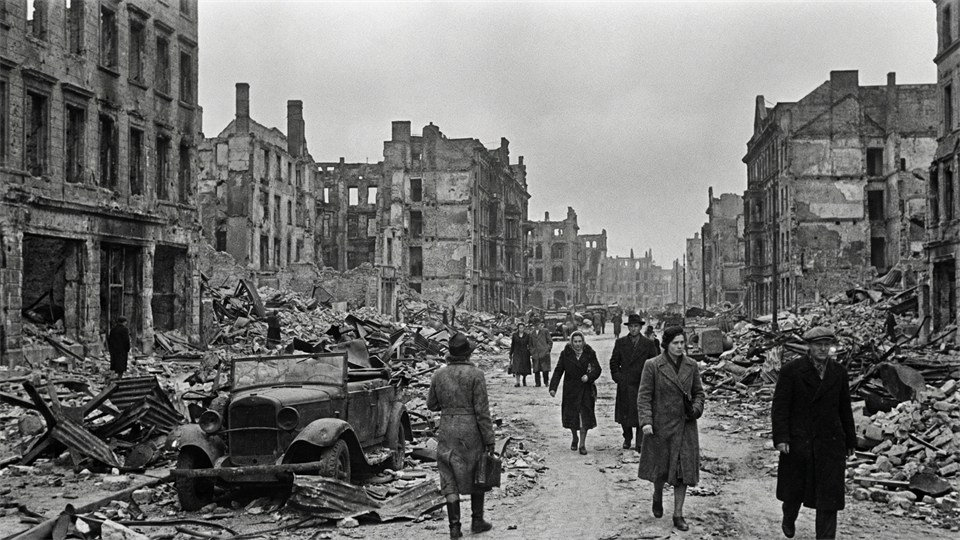
After the war, Germany was divided into four occupation zones, and in 1949 two German states emerged: the Federal Republic of Germany (West Germany) and the German Democratic Republic (East Germany). Berlin was divided by the famous wall. West Germany developed into a prosperous democracy, while East Germany became a communist state with extensive surveillance and limited freedom.
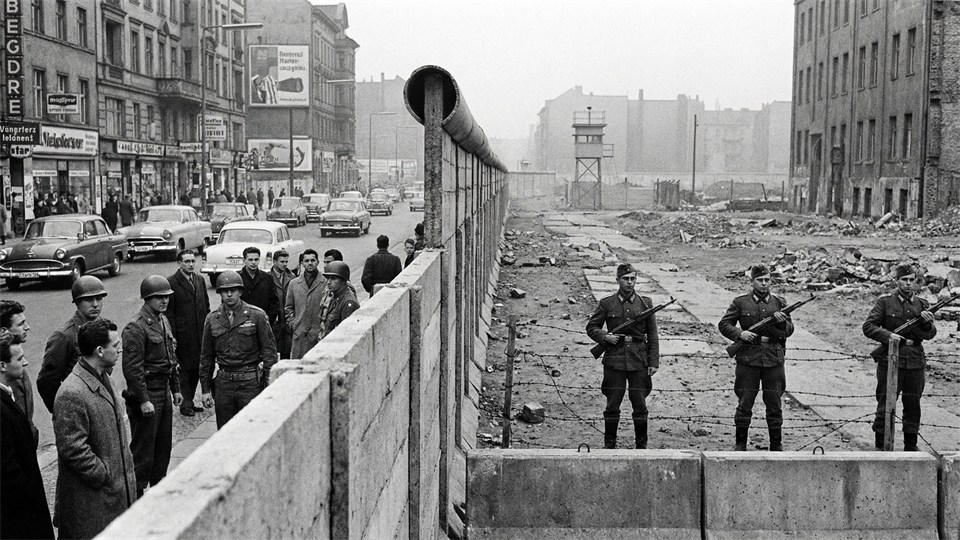
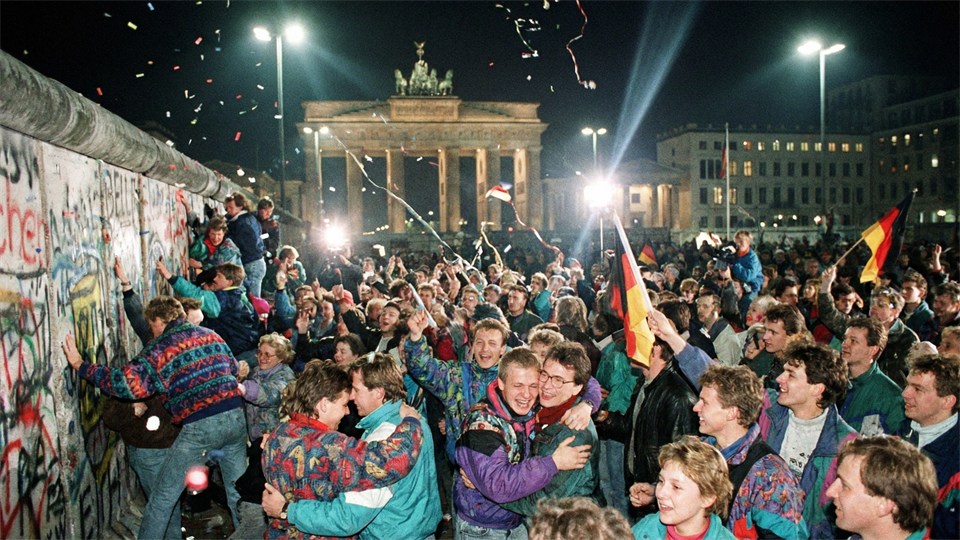
In 1989, the Berlin Wall fell, and the following year Germany was reunified. This was the culmination of peaceful protests and major social changes throughout Eastern Europe. Reunification was a major task, as the two parts of the country were very different economically and socially, but it was marked as a new beginning.
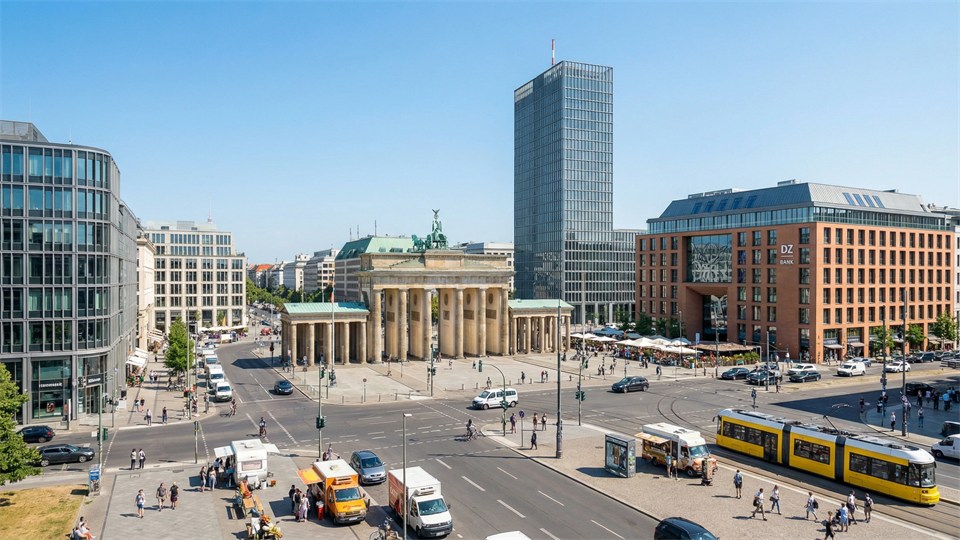
Today, Germany is Europe's most populous country and a leading economic and political power in the EU. The country has a strong democracy, a diverse culture, and plays an important role in international cooperation. Germany emphasizes reconciliation, especially with its neighbors, and actively works for peace and stability. At the same time, the country has opened up to immigration and has been at the center of many debates about integration and European identity.
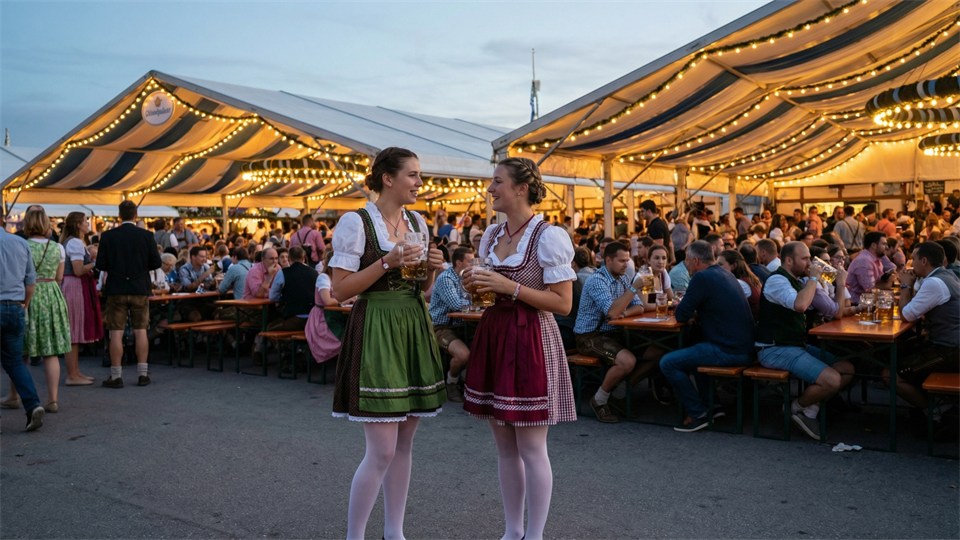
Germany's contributions to world culture and science are extensive. Great thinkers such as Albert Einstein, philosophers like Hannah Arendt, and writers like Thomas Mann have left lasting marks. German film, music, and art continue to develop, and the country is a center for both classical music, modern design, and technological advances. Oktoberfest, Christmas markets, and Bauhaus architecture are all examples of German traditions that have gained worldwide recognition.
Germany's history shows how a region can transform from being marked by division and war to becoming a driving force for peace and cooperation. The German identity is shaped by both greatness and tragedy, and the country has learned from its past. Today, Germany is an example of how historical experiences can be transformed into modern values such as democracy, human rights, and innovation.
Germany's history is fascinating and complex. From the early Germanic roots through empires, world wars, and division, to the modern democracy, Germany has helped shape the development of Europe—and the world. Understanding Germany's history not only provides insight into the country's own development but also into the major movements that have shaped the entire continent.