

Beer is one of the world's oldest and most widespread drinks. It exists in countless varieties, ranging from light and easy-drinking pilsners to dark and full-bodied stouts. But for many, it can be difficult to navigate the many beer types and understand what actually sets them apart. In this article, you'll get a thorough and easy-to-understand introduction to the most popular beer styles, so you can learn more about taste, style, and tradition – and maybe find your new favorite.
A beer style (or beer type) describes how a beer tastes, looks, and smells – and how it is made. Beer styles are determined by factors such as yeast strain, malt, hops, alcohol content, and brewing method. Often, beer is divided into two main categories: ale and lager. In addition, there are subcategories and specialty beers that build on the classic types.
Below, we review the most popular beer styles, their characteristics, and what you can expect in terms of flavor.
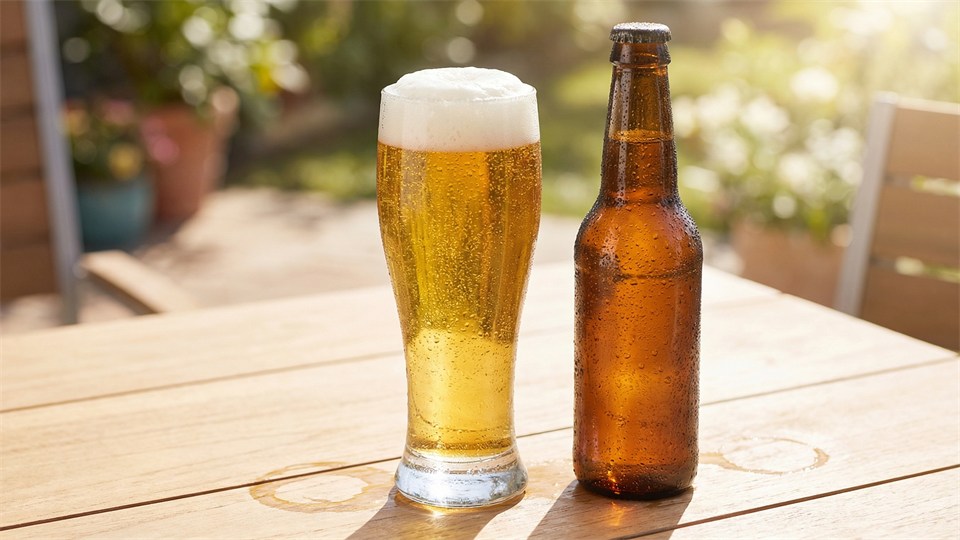
Lager is the world's most widespread beer style and is characterized by its clean, light, and refreshing taste. Lager is fermented with bottom yeast at low temperatures, which gives the beer a clear and crisp character without strong fruit aromas. The color ranges from very pale golden to amber, and the alcohol content is typically 4-5%.
Lager can be divided into several subcategories, with two of the best-known being pilsner and bock.
Pilsner originally comes from the city of Plzeň in the Czech Republic. It is light and golden with a distinct but balanced bitterness from the hops and a clean aftertaste. Pilsner is the most sold beer style in the world and is often served ice cold.
Bock is a stronger and darker lager with more malt sweetness and body. The alcohol content is often a bit higher (typically 6-7%), and the flavor has notes of caramel, nuts, and bread.
Ale is the oldest beer style and is brewed with top yeast at higher temperatures. This gives the beer a more fruity and complex flavor. Ales range from light and easy-drinking pale ales to dark and powerful stouts.
Here we review some of the most popular ale types.
Pale ale is a classic English beer style with an amber-golden color and a balanced taste between hops and malt. The flavor can vary from slightly fruity to more bitter, depending on the brewer's style.
IPA is one of the trendiest beer styles today. IPA was originally developed in England and is characterized by a strong hop aroma, often with notes of citrus, flowers, or tropical fruit. The alcohol content is typically 5-7%.
Stout and porter are dark, almost black ales with a strong taste of roasted malt, coffee, chocolate, and sometimes licorice. Stout is typically a bit stronger and creamier than porter.
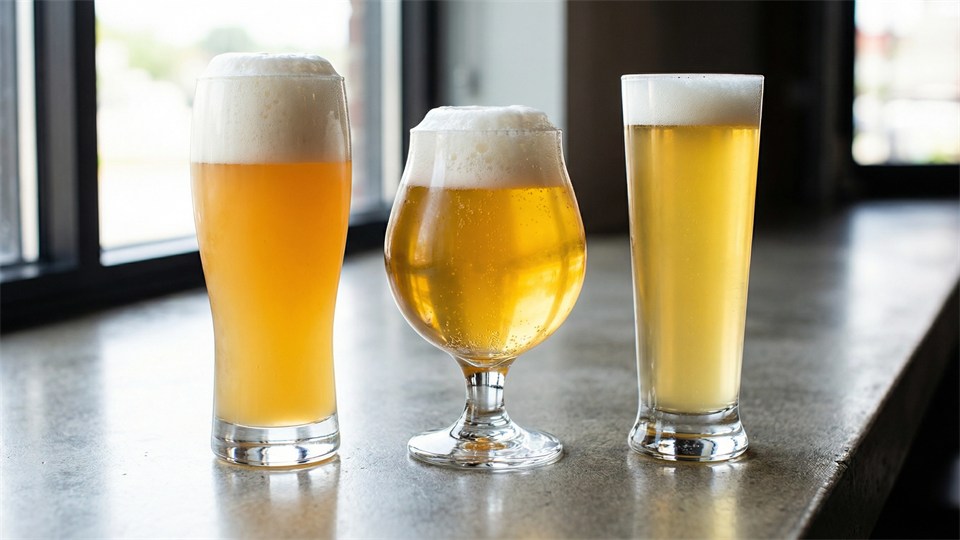
Wheat beer (or weissbier/witbier) is brewed with a large proportion of wheat malt, which gives the beer a light and cloudy appearance as well as a fresh, slightly sour, and often fruity taste. German weissbier typically has banana and clove notes, while Belgian witbier is often flavored with coriander and orange peel.
Saison is a traditional Belgian beer style known for its dry, slightly spicy, and fruity taste. Saison is often fermented with "wild" yeast strains, which gives the beer a unique character. Belgian beers are generally known for great variety, where tripel (strong, light, and spicy) and dubbel (dark and full-bodied) are also popular.
Sour beer is a category of its own, where the beer is intentionally made tart through the addition of lactic acid bacteria or wild yeast strains. Sour beers can be both light and dark, mild or strong. Styles such as lambic, gueuze, and Berliner weisse are among the best known.
Most popular beer styles are between 4 and 7% alcohol, but there are both light beers (under 3%) and strong specialty beers (up to 12% or more). Serving temperature has a major impact on the taste experience:
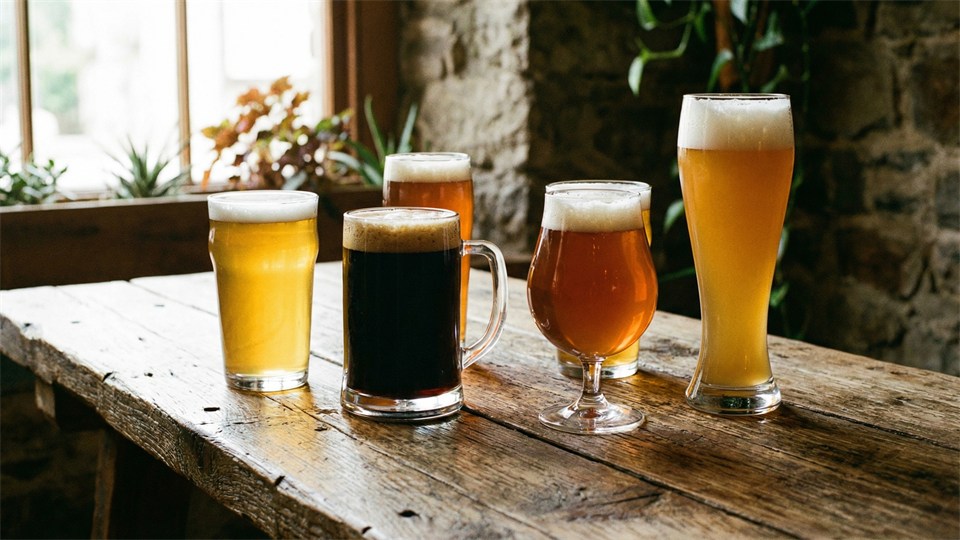
Feel free to use the right beer glass – it enhances both aroma and appearance.
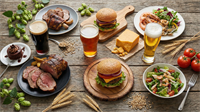
The choice of beer depends on personal taste, dish, and occasion. For light dishes or a warm summer day, a light pilsner or wheat beer is suitable. For hearty meat dishes or cheese, you can choose a stronger beer like IPA, bock, or stout. Try different options and don't be afraid to taste something new – the world of beer is both broad and inviting.
Now you have an overview of the most popular beer styles and their characteristics. Each beer style has its own history, taste, and experience to offer. Whether you prefer the light and refreshing or the dark and complex, there is a beer style for you. Next time you're in front of the shelf or at the bar, you can confidently choose and enjoy – maybe you'll even discover a new favorite!