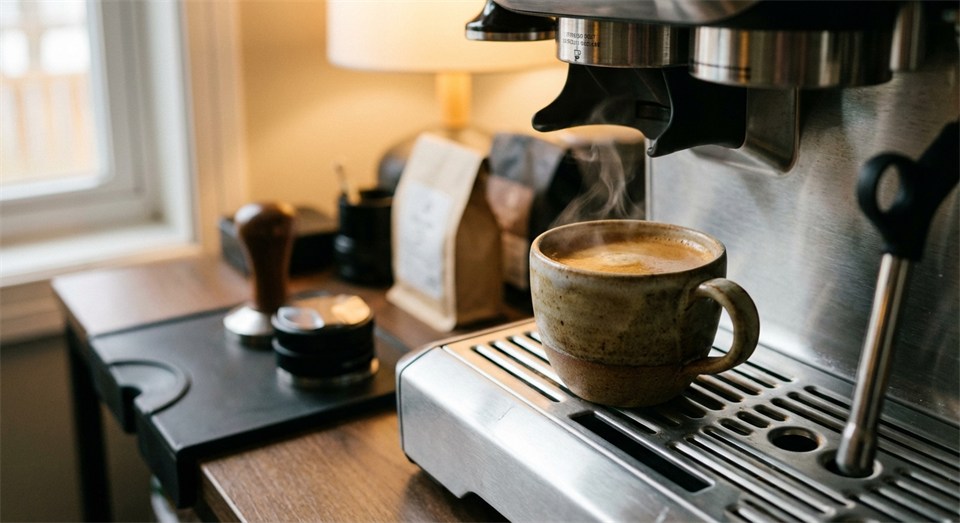


For many, espresso is the very essence of coffee enjoyment – intense, rich, and full-bodied, with a characteristic crema on top. While espresso is often associated with café visits and large machines, it is actually possible to brew an excellent espresso at home. However, the road to a good cup of espresso requires some knowledge, the right equipment, and, not least, practice. In this guide, you will get a thorough introduction to how you can brew espresso, so you not only achieve the right taste and body, but also enjoy the process.
Espresso is not just strong coffee in a small cup. It is a brewing method where hot water under high pressure is forced through finely ground coffee beans. This extracts a concentrated flavor, oils, and aromas in just 25-30 seconds – and it is this concentration that gives espresso its characteristic intensity and the golden crema on top. Espresso also forms the basis for many coffee drinks such as cappuccino, latte, and americano.
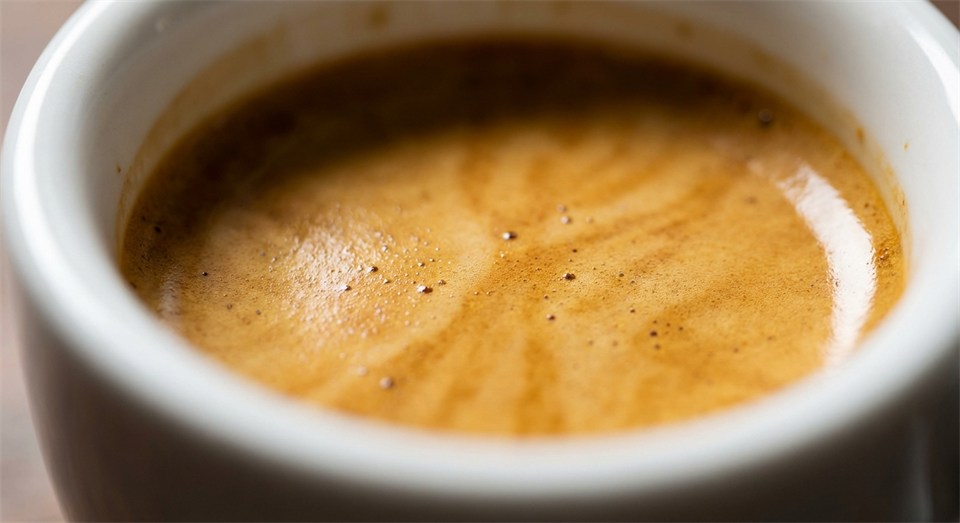
A well-brewed espresso consists of three layers: crema (the golden foam on top), body (the middle layer, where the flavor is most full-bodied), and heart (the bottom, where the greatest intensity is found). Achieving this structure requires an interplay between beans, grind size, pressure, and temperature.
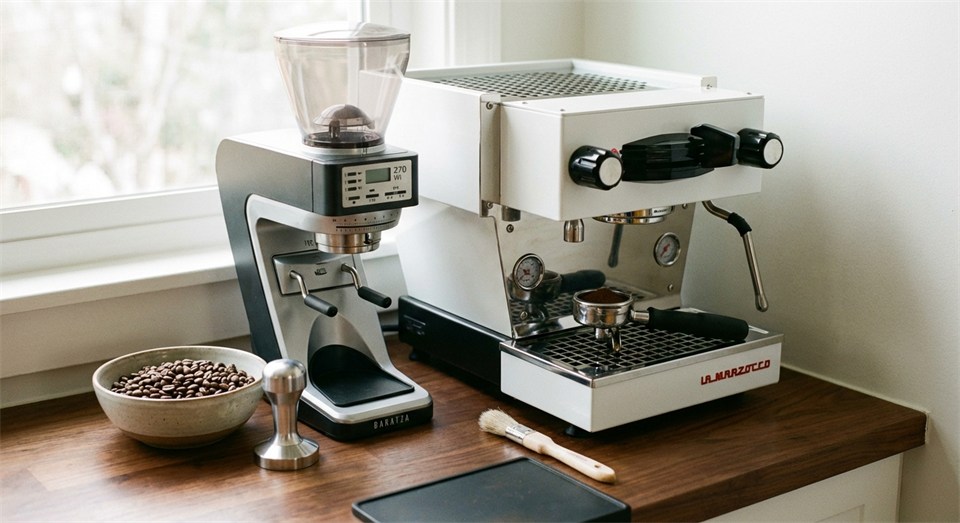
The classic espresso requires an espresso machine, but today there are many variants – from manual to automatic. Here is an overview of what you need to get started:
Some brew espresso-like coffee with an Aeropress or moka pot, but real espresso requires high pressure. The result can be good, but not identical to machine-brewed espresso.
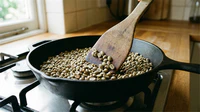
The beans are the foundation for good espresso. There is no single "espresso bean," but some beans and roasts are better suited than others:
Feel free to experiment with different beans – the taste varies greatly depending on variety, origin, and roast.
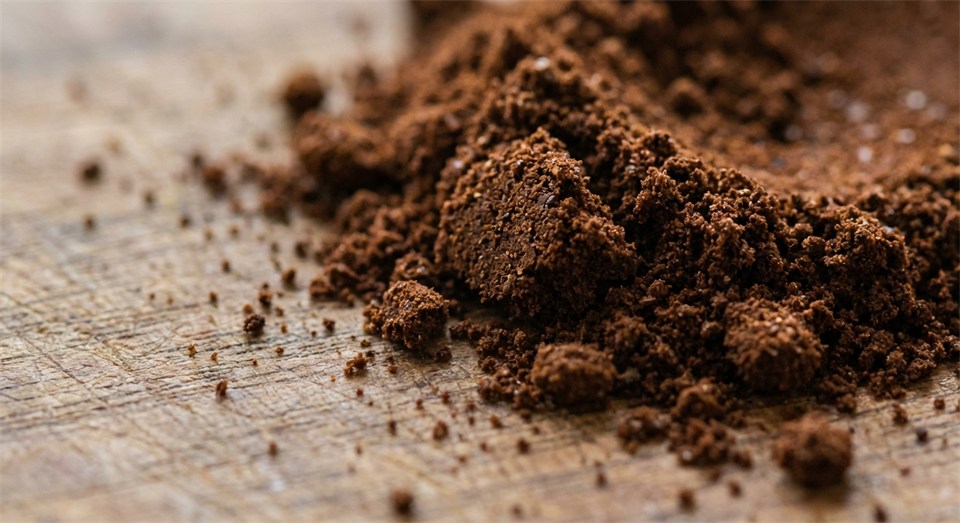
One of the biggest challenges with espresso is finding the right grind size and dosing. Too coarsely ground coffee gives a watery espresso without crema, while too finely ground coffee can lead to over-extraction and bitterness.
It requires some experimentation – small adjustments have a big effect on taste and crema.
Once you have ground and dosed the coffee, it should be distributed evenly in the filter basket and tamped (pressed) down with a tamper. This is important to avoid channels where the water runs through faster.
An even and firm tamping ensures that the water is pressed evenly through the coffee and gives optimal extraction.
Now you are ready for the actual brewing. A classic espresso is brewed with these parameters:
Start the machine, and stop brewing when you have the desired amount in the cup. If it goes too fast, grind the coffee a bit finer. If it goes too slowly, try a coarser grind or less coffee.
Taste and appearance reveal whether you have hit the mark:
If the espresso is very bitter or sour, adjust grind size, dosing, or tamping next time.
Espresso can be tricky – here are the most common problems and what you can do:
Small adjustments can make a big difference, so experiment and be patient – even professional baristas experiment continuously.
Here are some extra tips that can make everyday life easier and your espresso better:
Brewing espresso is a journey where small details make a big difference. Once you master the basics – equipment, beans, grind size, dosing, and tamping – a world of flavors and possibilities opens up. Don’t be afraid to fail or to have to adjust – that’s part of the charm of espresso. Soon you’ll be able to brew a cup that matches or surpasses even the café standard. Enjoy and bon appétit!