



The moka pot, also known as the stovetop espresso maker or "Bialetti" after its most famous manufacturer, is an iconic method for brewing strong and aromatic coffee. Originally invented in Italy in the 1930s, this small aluminum pot has found its way into homes around the world. The moka pot is loved for its simplicity, robust design, and its ability to make a cup of coffee reminiscent of espresso – but without the need for an expensive or complicated machine. In this guide, you’ll get a thorough introduction to how to use, maintain, and get the most out of your moka pot – whether you’re a beginner or curious about improving your technique.
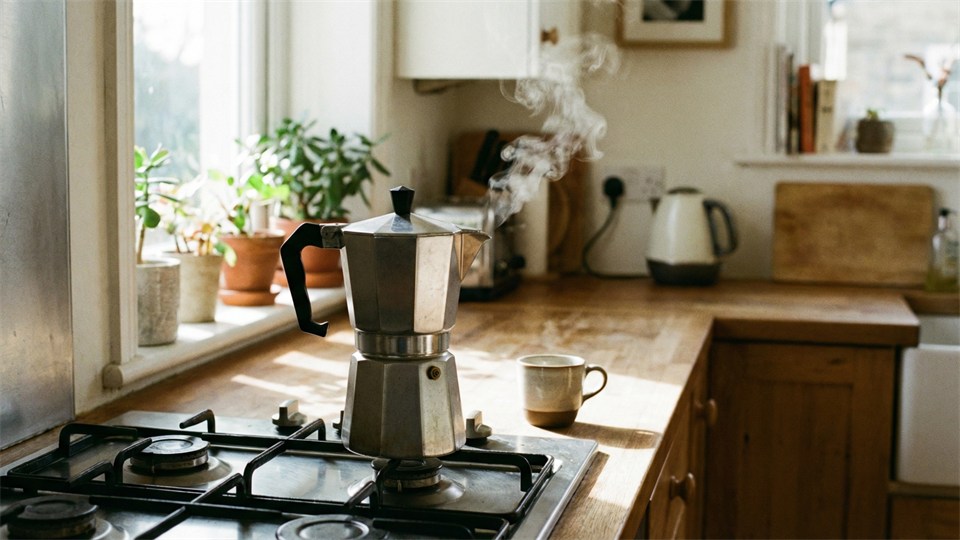
A moka pot consists of three main parts: a water chamber at the bottom, a metal filter for the coffee in the middle, and a top chamber where the finished coffee collects. When you heat the water in the bottom, steam pressure forms, which pushes the hot water up through the coffee grounds and into the top chamber. The result is a rich and strong coffee, especially if you use a dark roast bean.
The moka pot does not brew "true" espresso, as the pressure is only 1-2 bar compared to the 9 bar an espresso machine can deliver. Still, you get an intense and aromatic coffee, which is significantly stronger than filter coffee and perfect for those who want a rich cup without advanced equipment. Unlike French press and filter coffee, you get more oils and depth of flavor here, though without the crema from an espresso machine.
To get the best result with your moka pot, it’s important to follow a few simple but crucial steps. Here’s a thorough walkthrough:
Start by choosing a good coffee. Dark roasted beans are the classic choice for moka pot, but you can experiment with different roasts. Grind the coffee relatively fine – coarser than espresso, but finer than for filter coffee. Freshly ground coffee gives by far the best result, as aroma compounds quickly disappear after grinding.
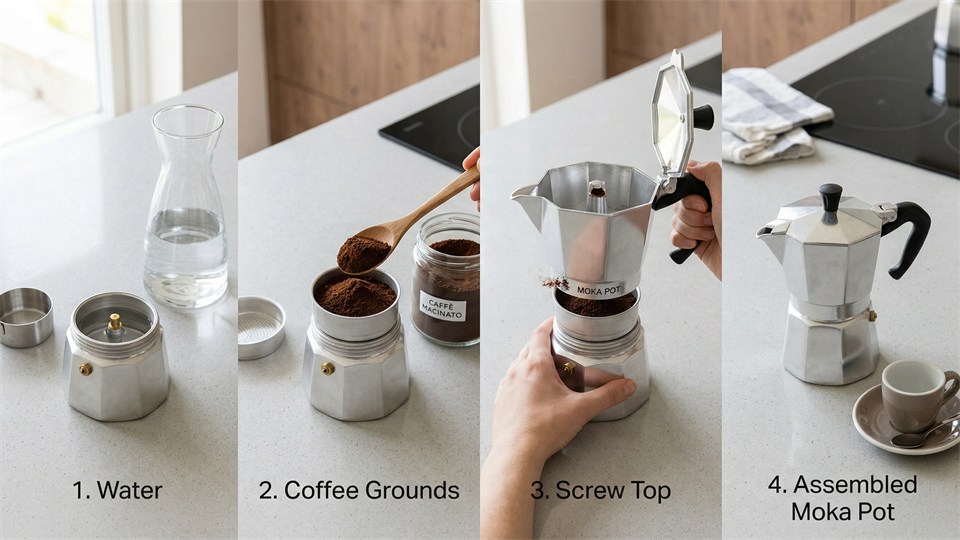
Fill the water chamber with fresh, cold water up to the safety valve (the small screw on the side). Use filtered water if you have a lot of limescale in your tap – it protects both the taste and your moka pot in the long run.
Insert the filter basket, fill in the coffee, and screw on the top chamber. Tighten, but don’t use excessive force. Place the moka pot on the stove at medium heat. If you’re using gas, the flame should not extend beyond the pot. On induction, you’ll need an adapter plate if your moka pot is made of aluminum.
After a few minutes, the coffee will begin to flow up into the top chamber. You’ll typically hear a faint bubbling sound when the process starts. When the sound becomes more hissing and the coffee starts to sputter, brewing is finished – immediately remove the pot from the heat to avoid burning the coffee.
A tip: Rinse the bottom of the moka pot under cold water right after you’ve taken it off to stop the brewing and avoid over-extraction.
Stir gently in the finished coffee at the top so the flavors are evenly distributed. Serve immediately – preferably in small espresso cups. Moka coffee can be enjoyed black, or you can add a little warm milk for a milder drink.
Although the moka pot is simple, small adjustments can make a big difference to your coffee experience. Here are some concrete tips:
A moka pot will last for years if you take good care of it. After each brew, you should disassemble all parts and rinse them thoroughly in hot water. Avoid soap, as aluminum can absorb flavors. Dry the parts thoroughly before reassembling to avoid limescale and mold.
Over time, the rubber gasket and filter can wear out. Replace them if you notice the pot leaking or the coffee not flowing optimally. Spare parts are available in most kitchen stores and online.
Even small mistakes can ruin the taste of your coffee. Here are the most common problems – and solutions:
The moka pot can be used more versatilely than many think. Try varying:
The moka pot is more than just a coffee brewer – it’s a little piece of design history that brings both tradition and flavor into your kitchen. With simple means and a bit of practice, anyone can brew a cup of strong and aromatic coffee that evokes memories of Italian cafés. Remember, the details make the difference: choose good ingredients, follow the process, and enjoy the result. Happy brewing!