


Teabags are one of the most widespread and accessible ways to brew tea. They can be found in almost every supermarket and kitchen, and they make it easy for both beginners and busy tea lovers to make a quick cup. But even though teabags are easy to use, it’s not always irrelevant how you brew with them. Small details can make the difference between a dull, bitter cup and a tasty tea experience – even when you use teabags. In this guide, you’ll learn how to get the best out of your teabags, focusing on flavor, aroma, and enjoyment.
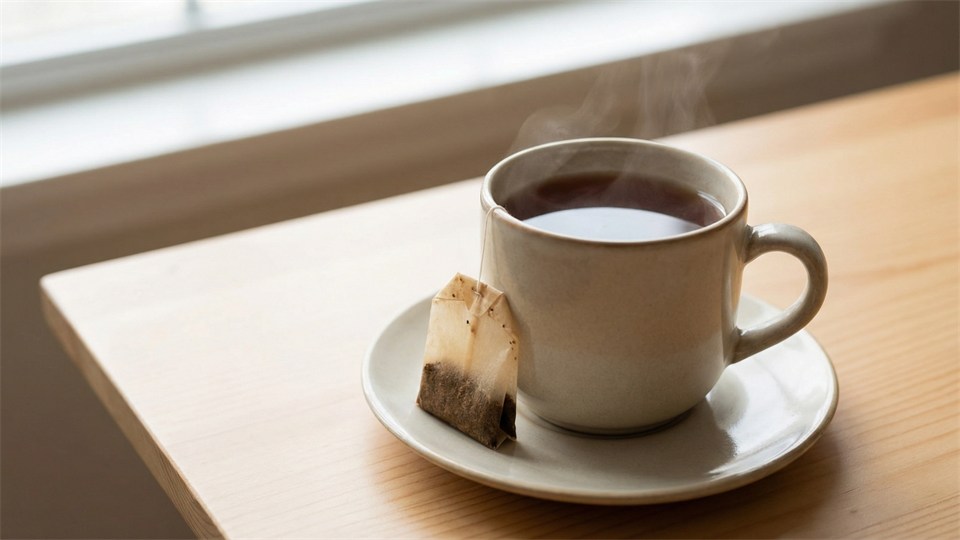
A teabag is a small pouch, typically made of paper, silk, or nylon, containing a pre-measured amount of tea leaves, herbs, or fruit blends. Teabags were invented to make tea brewing quick, convenient, and easy to dose – especially in everyday life. Although many enthusiasts prefer loose tea, teabags are still popular because they:
So teabags aren’t just for the uninitiated – they can easily make a good cup of tea if you use them correctly.
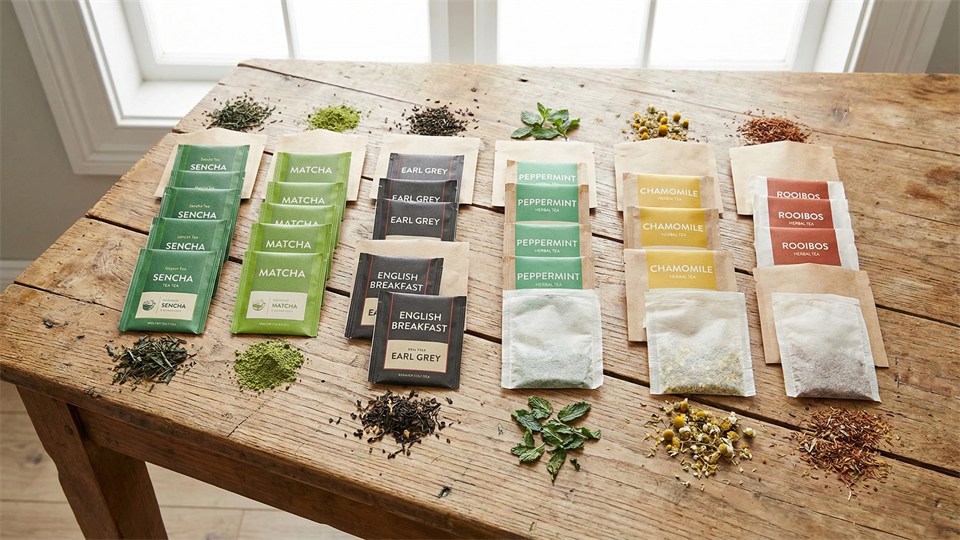
The first step to a good cup of tea is to choose the teabag that suits your mood and occasion. Consider the following types:
Always read the package to see what the teabag contains, and experiment. Some brands use more or less tea in the bags, which can affect the flavor and strength.
Even though it seems simple, a little effort can make your tea experience much better. Follow these basic steps:
Water is the main component in a cup of tea. Always use fresh, cold water – preferably filtered if your tap water tastes of chlorine or lime. Hot or "reboiled" water from the kettle can give a flat taste because the oxygen content is lower.
Not all teabags should be steeped with boiling water. Here’s a quick guide:
If you don’t have a thermometer, wait 2–3 minutes after the water has boiled before pouring it over green or white tea. Using water that’s too hot can make the tea bitter and "burnt" in taste.
Put the teabag into your cup or pot so it can move freely. If you’re using a large cup, you can use two teabags to get more flavor.
It’s best to pour the water directly over the teabag. That way, the dry leaves are quickly "awakened," and the flavors are released evenly. Don’t pour too much water at once – follow the package recommendation (typically 200–250 ml per bag).
Steeping time depends on the type:
The longer the tea steeps, the stronger – and possibly more bitter – it becomes. Experiment to find your preferred strength.
Take out the teabag when the steeping time is up. Avoid squeezing or wringing the teabag against the side, as this can release bitter substances and make the tea "heavy" in taste. Instead, let the excess liquid drip off.
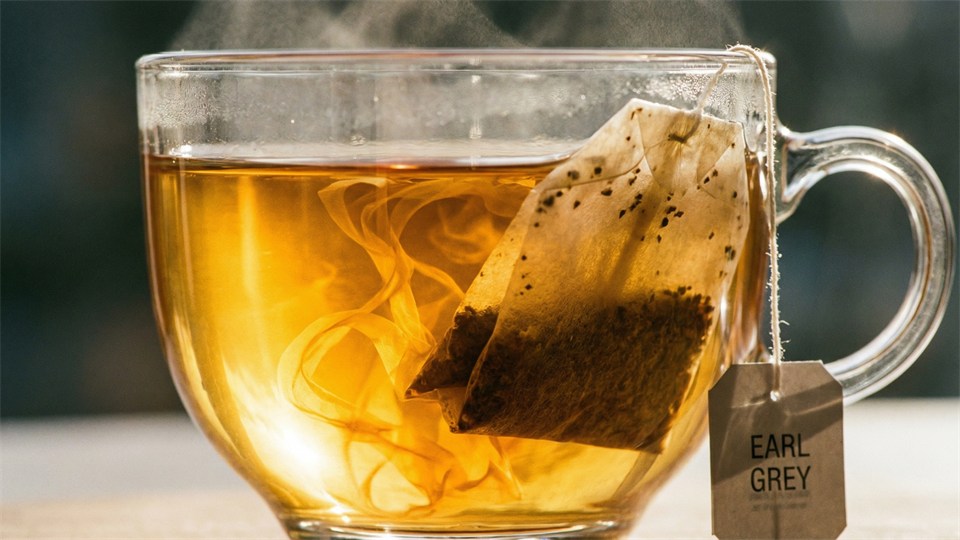
Even small adjustments can improve the flavor experience, even with teabags:
Experiment with water amount, steeping time, and any additions until you find exactly the cup you like best.
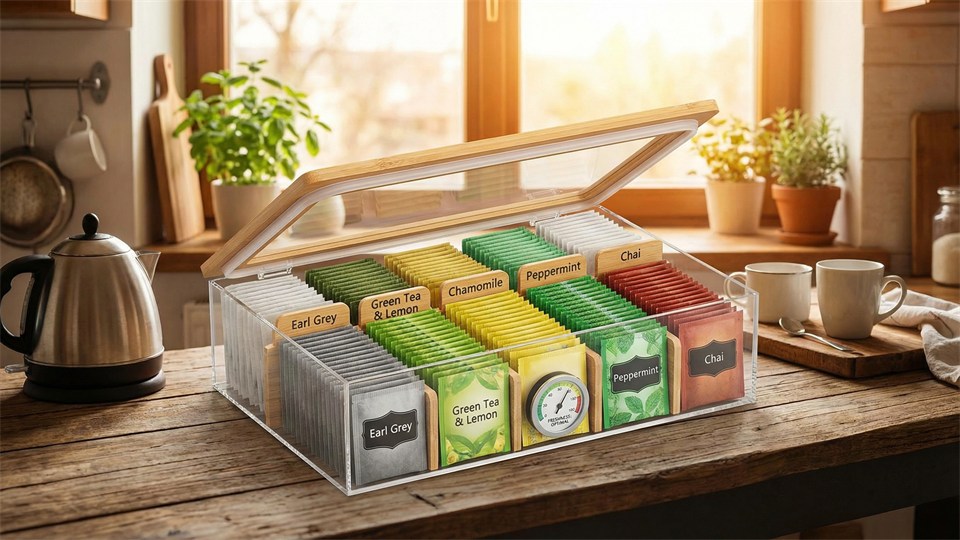
Teabags lose flavor if stored incorrectly. Follow these tips to preserve quality:
It’s best to place the tea container in a dark place, for example in a cupboard away from the stove and sunlight.
Even with teabags, small mistakes can sneak in. Here are the most common – and the solutions:
Small improvements make a big difference – even when it’s just an ordinary teabag!
It takes neither equipment nor expertise to make a good cup of tea with a teabag – but with a little thought, you can get much more flavor and enjoyment. Choose a good teabag, use fresh water, the right temperature and steeping time, and pay attention to small details like storage. Then you’re already well on your way to enjoying tea in a new way, even when it needs to be quick and easy.
Happy brewing – and cheers to tea!