


Vaccination has throughout history been one of the most effective methods for combating infectious diseases. In Denmark, the childhood vaccination program and vaccination against influenza and certain travel-related diseases are central elements in public health. But how do vaccines actually work, and why are they so important?
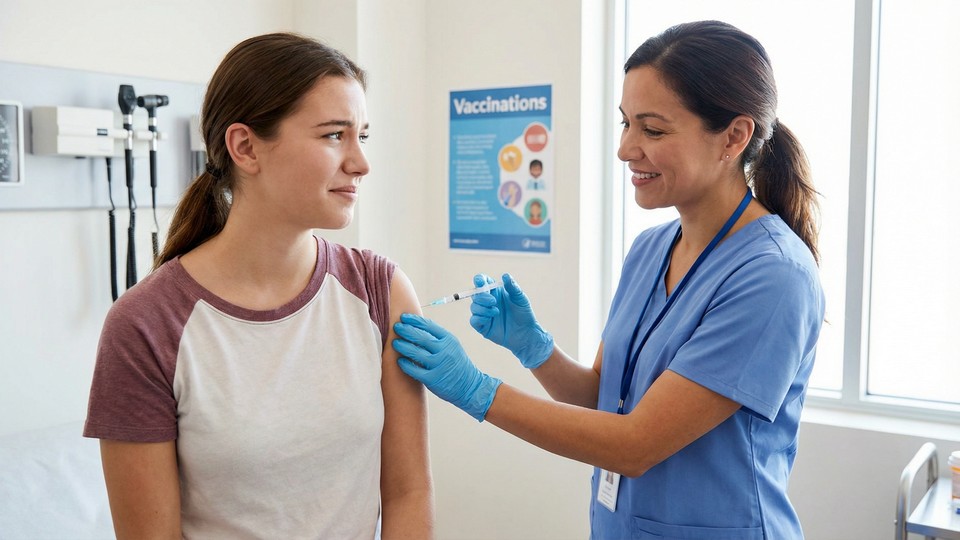
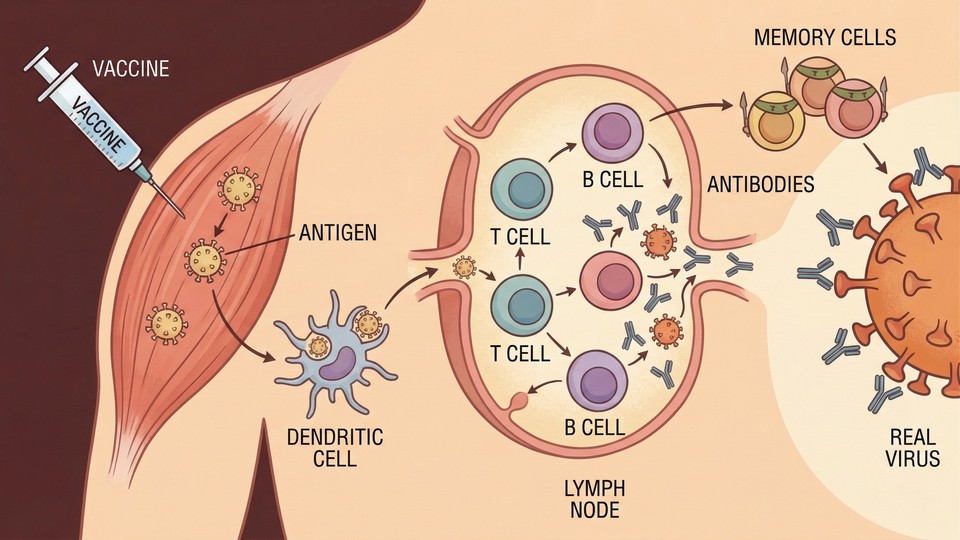
A vaccine contains weakened or inactivated parts of a microorganism (e.g., virus or bacteria) or genetic material, which stimulates the body's immune system without causing disease. When the body "encounters" these small amounts of the infectious agent, it learns to recognize and fight them quickly if you are later exposed to the real disease.
The principle of vaccination is based on the immune system having memory. This means that the body reacts faster and more effectively if it encounters the disease again. Thus, the risk of serious illness or complications is reduced.
Vaccination protects not only the individual, but also society. When many are vaccinated, herd immunity arises, making it difficult for diseases to spread. This especially protects those who cannot be vaccinated – for example, infants or people with weakened immune systems.
Examples of diseases that are rare in Denmark thanks to vaccination include measles, polio, diphtheria, and whooping cough.
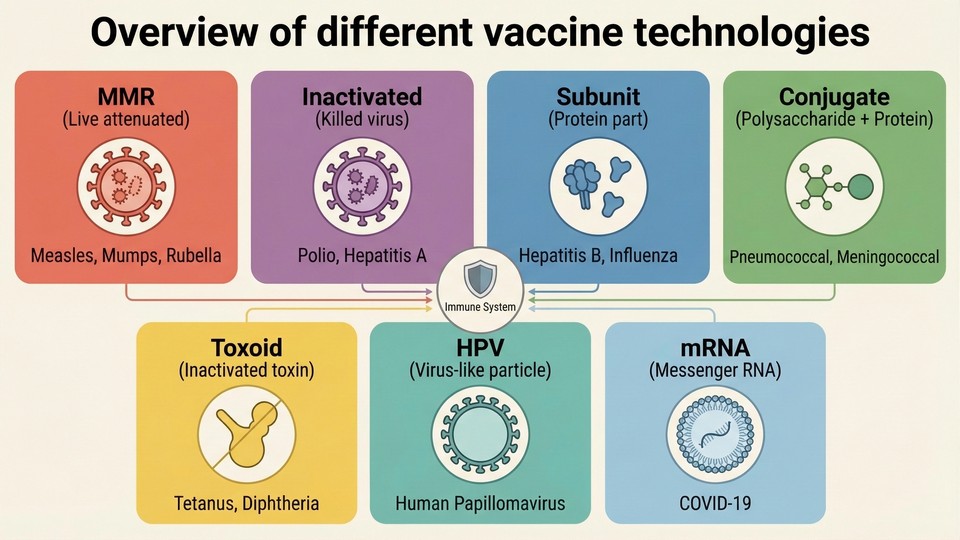
In Denmark, children are offered free vaccination against a number of serious diseases through the national childhood vaccination program. In addition, vaccination is recommended and offered to certain risk groups and in connection with travel abroad.
It is recommended to follow the vaccination program, as it protects against diseases that previously claimed many lives.
Vaccines undergo extensive testing and monitoring before they are approved. Most side effects are mild and temporary, such as soreness at the injection site or mild fever. Serious side effects are very rare.
Live attenuated vaccines can in extremely rare cases cause mild illness in people with weakened immune systems, but for healthy individuals they are harmless. Other vaccines cannot cause disease.
Yes. If many stop vaccinating, the diseases can return, as has been seen with measles in several European countries.
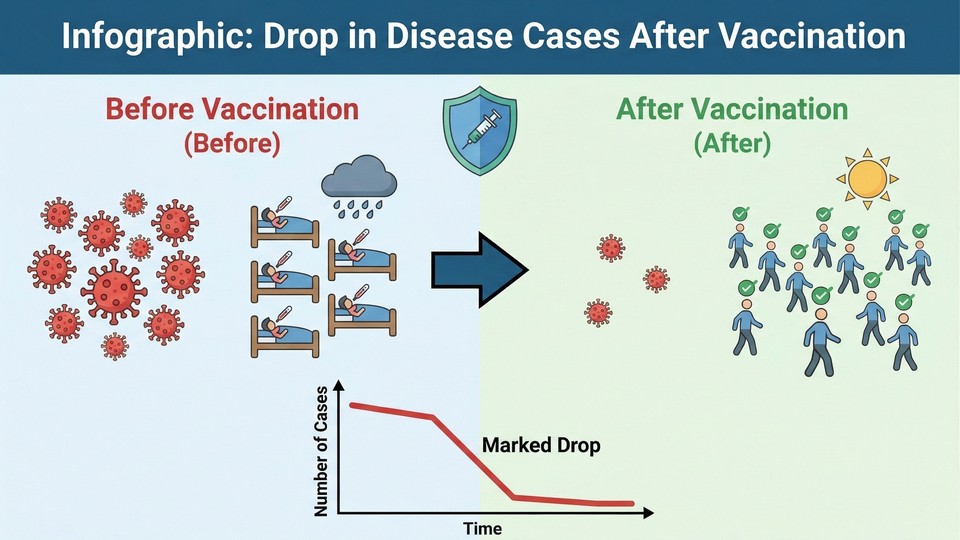
Vaccination saves millions of lives worldwide every year and is a cornerstone of modern public health. By having yourself and your children vaccinated, you protect not only yourself but also the most vulnerable in society. Talk to your doctor if you have questions or concerns about vaccines.