
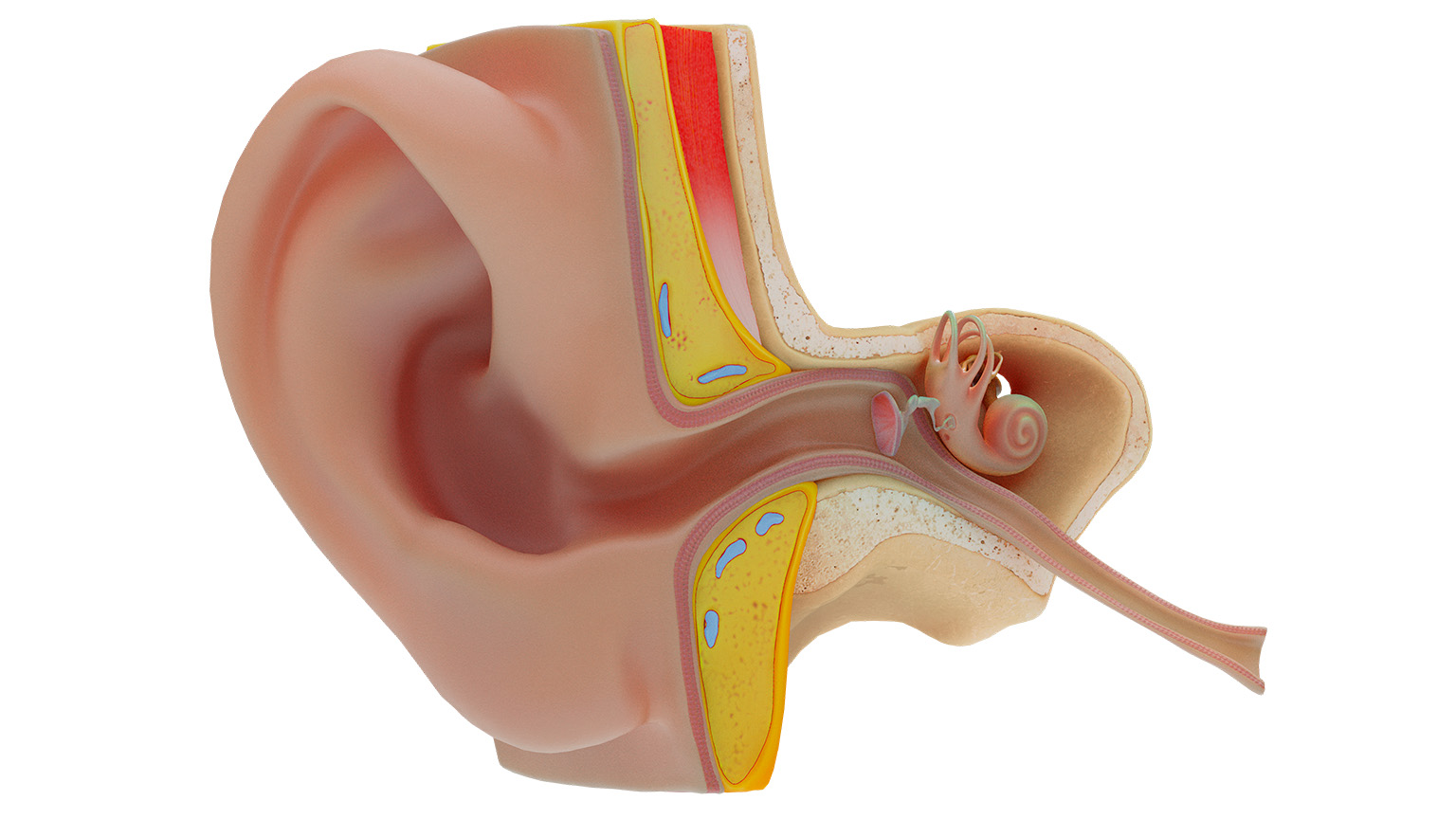


The ear is not just the organ we use to hear – it also plays a crucial role in our balance. The ear consists of several complex parts that work together to capture sound waves and send signals to the brain. With a 3D model, it becomes easier to understand how the ear is structured and functions.
The outer ear consists of:
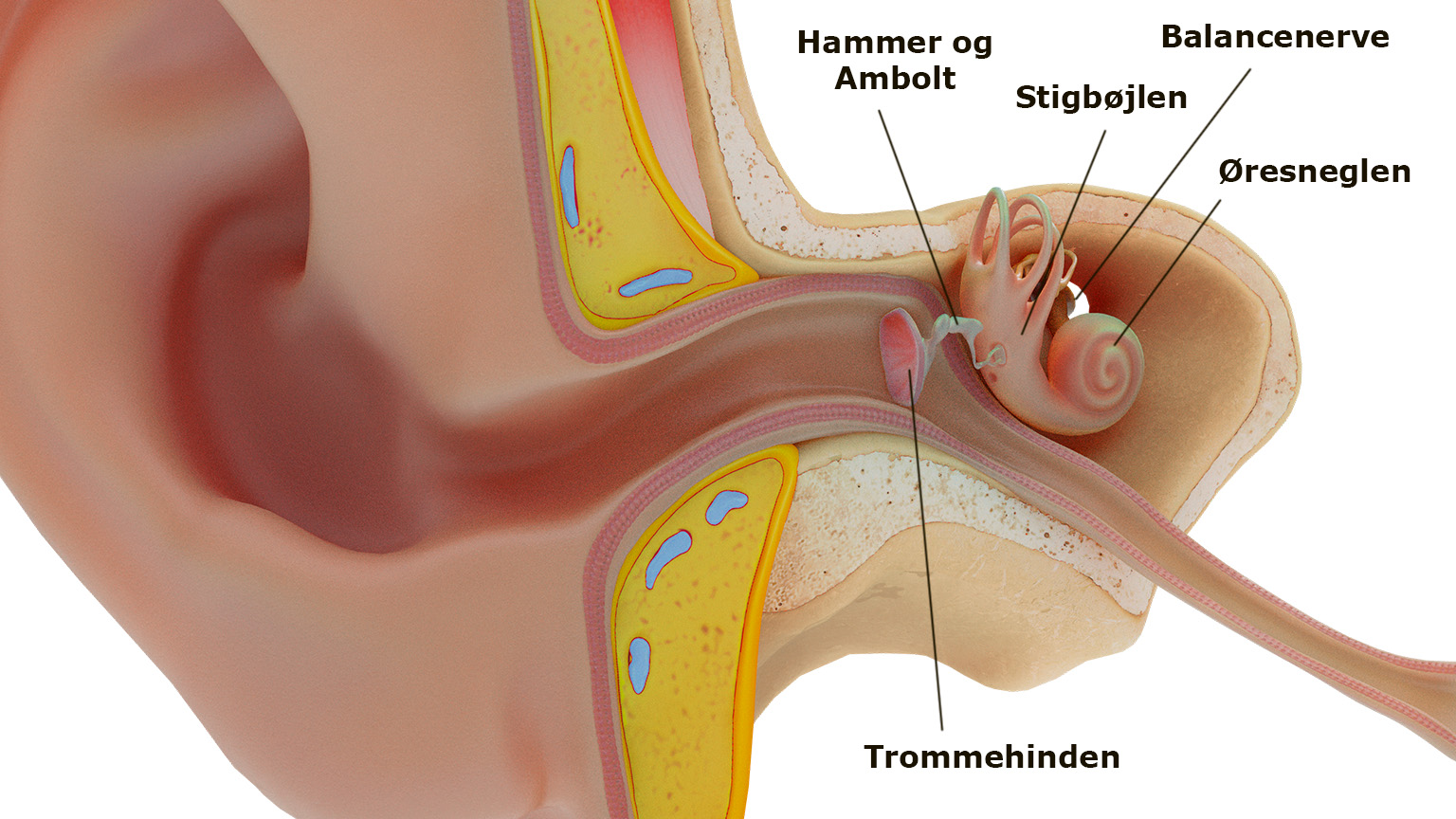
The middle ear is an air-filled space that contains three small bones – the smallest in the body:
The inner ear contains:
The cochlea is connected to the auditory nerve, which sends signals to the brain, where they are perceived as sound.
In addition to hearing, the ear helps us maintain balance. The fluid-filled semicircular canals in the inner ear detect movements of the head. When we move, signals are sent to the brain, which coordinates movements and eye position to maintain stability.
Many people use cotton swabs as part of their daily ear hygiene, but it is important to understand how they should – and should not – be used.
Cotton swabs should only be used to clean the outer ear, that is, the area around the earlobe and the entrance to the ear canal. Here, they can gently remove visible dirt or excess earwax.
They should never be inserted into the ear canal itself, as this can push earwax further in, irritate the ear canal, or in the worst case damage the eardrum. The ear canal is self-cleaning, and earwax naturally moves out towards the opening, where it can easily be removed from the outside.
If you experience blockages, discomfort, or reduced hearing, you should instead consult a doctor or an ear, nose, and throat specialist, who can clean the ear safely.