

Ghosts and spirits have fascinated people for centuries. No matter where you are in the world, there are stories about mysterious figures, inexplicable events, and eerie experiences connected to the supernatural. But what exactly is a ghost? What does the word spirit mean? And why do we keep telling and believing these stories?
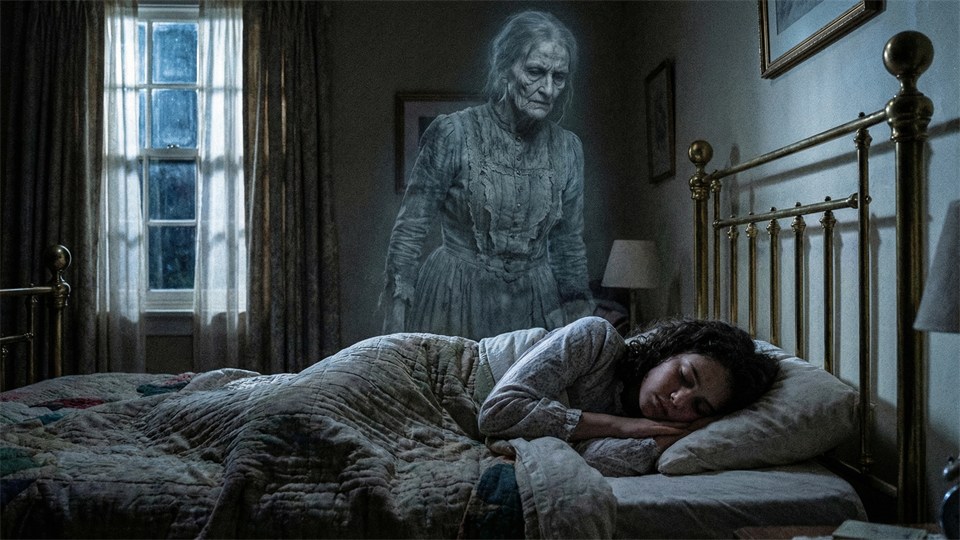
In this article, we guide you through the difference between ghosts and spirits, the most well-known theories, accounts, and how they are interpreted today.
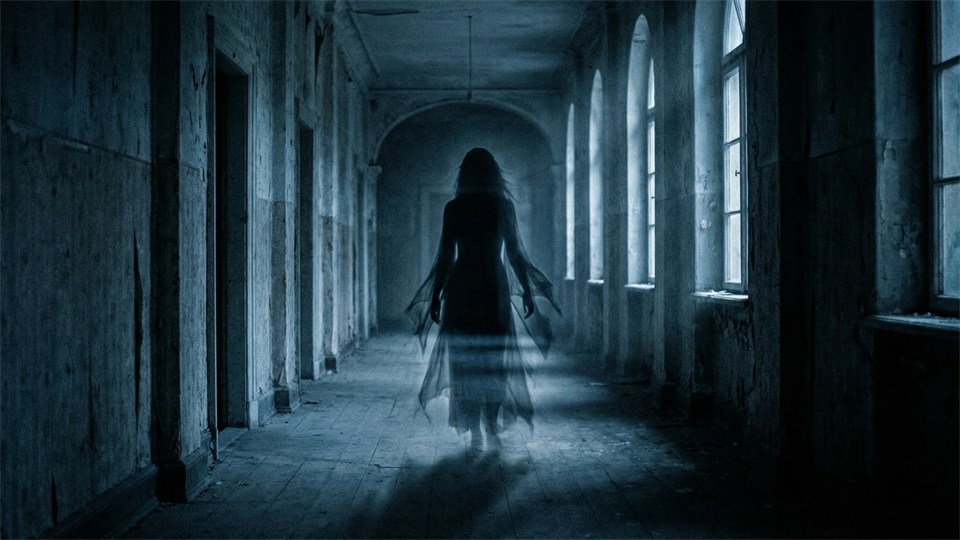
A ghost is often described as the soul or spirit of a deceased person who, in some way, has not found peace. Ghosts appear in countless stories, legends, and myths, and are typically perceived as invisible or semi-transparent beings that can appear to living people.
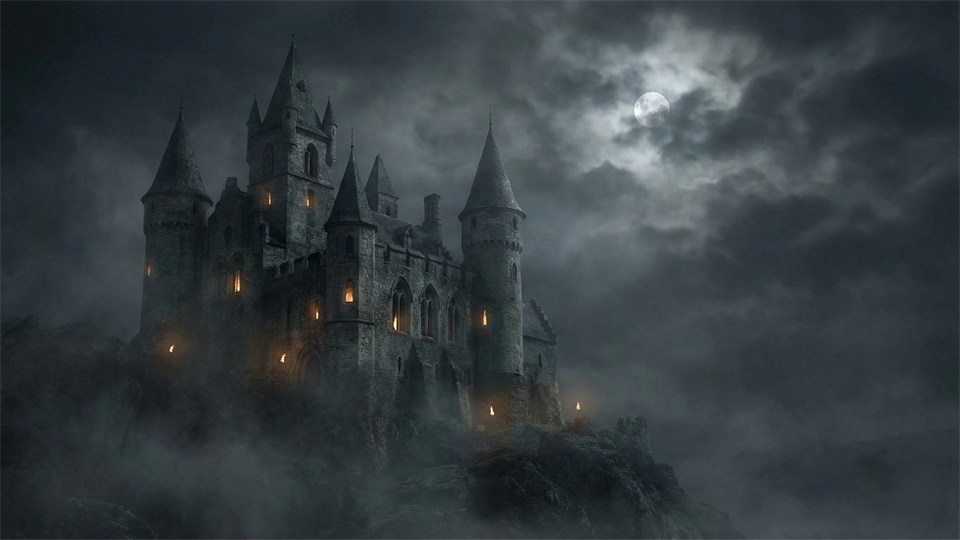
Ghosts are often associated with specific places where a person has died or experienced strong emotions, such as old castles, hotels, or cemeteries.
Spirits are closely related to ghosts, but in folklore, a spirit is often seen as a more active, recurring, or restless soul. The word is especially used for beings that repeat certain actions or relive their death again and again.
Although the words are often used interchangeably, there are some differences:
Today, there is no fixed definition, and many use the terms interchangeably.
Accounts of ghosts and spirits exist in almost all cultures and time periods. Already in ancient Egypt, Greece, and the Roman Empire, people believed that the souls of the dead could return to the world of the living.
In European folklore, ghosts were often seen as omens or as punished souls. In the Middle Ages, many believed that the dead could return to draw attention to injustices or ask for prayers so they could find peace.
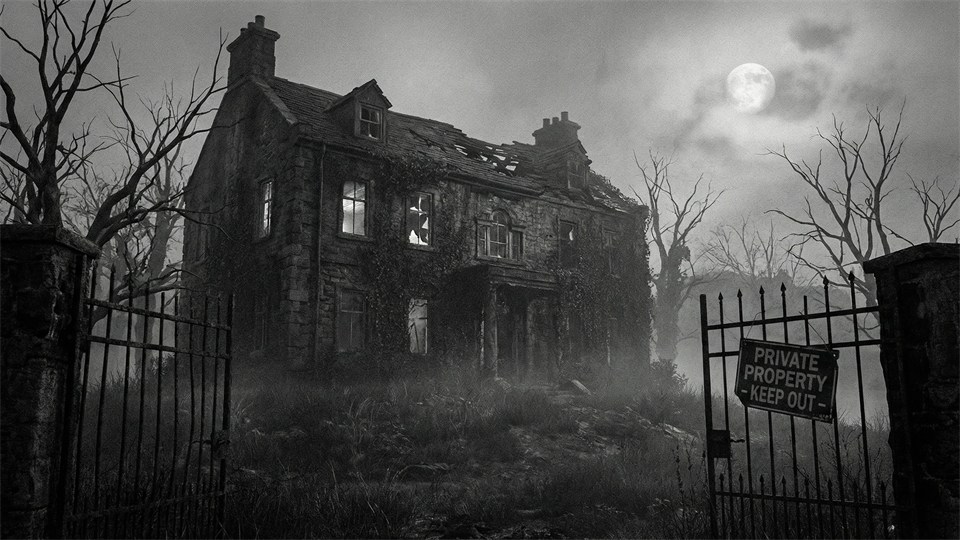
Spirits often appear in tales of haunted houses, castles, and battlefields. For example, there are many stories of soldiers still marching across old battlefields, or noblemen who haunt their castles.
Over time, countless accounts have arisen about encounters with ghosts and spirits. Here are some typical examples:
These stories are often shared orally, but many are also collected in books, films, and TV programs, which keep the myths alive.
Although many people believe they have experienced something supernatural, there is still no scientific evidence for ghosts or spirits. Scientists try to explain the phenomenon based on natural causes:
Even though science often has rational explanations, it cannot remove the fascination or the personal experiences that many describe.
Today, the stories about ghosts and spirits live on. They have been given new life through films, books, and especially the internet, where thousands share their own experiences. Paranormal "hunts" have become popular, where groups visit "haunted" places with cameras and measuring equipment.
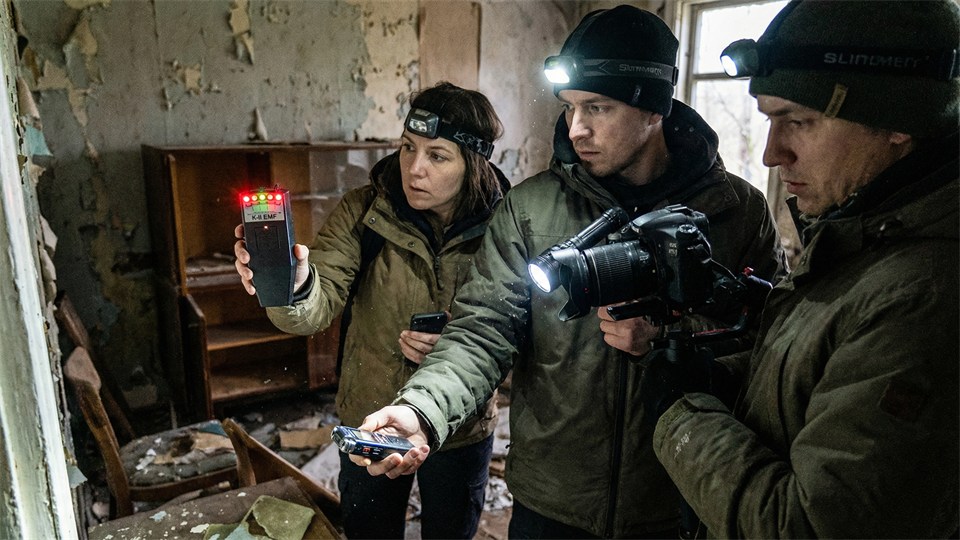
Ghost hunting is a hobby where people try to document ghosts or spirits. This can be through videos, audio recordings (EVP – Electronic Voice Phenomena), or measuring temperature and electromagnetic fields. Although the results are often questionable, it adds a dimension of adventure and excitement.
Belief in ghosts and spirits can be explained in several ways:
Even if you don't believe in ghosts yourself, the stories can still give you goosebumps and spark your imagination.
Whether you are a skeptic or a believer, ghosts and spirits have a special place in our culture. They serve as a way to process grief, fear, and curiosity – and they bind us together through shared stories. Maybe there is a natural explanation for all experiences, or maybe there is still something we don't understand. One thing is certain: The stories about ghosts and spirits will probably never disappear.