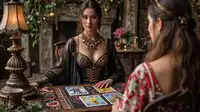


Tarot often provokes strong reactions. For some, it is an exciting tool for reflection; for others, it is associated with mystery, fate, and dramatic predictions. The truth is that tarot can be used in many different ways in practice, and much of what people believe about the cards is based on myths or popular culture. That is why it is useful to take a closer look at what tarot actually is, how it is used today, and why so many people find value in it without necessarily believing in anything supernatural. When tarot is understood as a system of images, symbols, and questions, it becomes easier to see why the cards still have a place in modern leisure life.
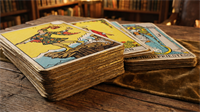
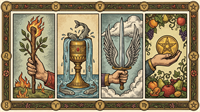
Tarot is first and foremost a set of cards with motifs, symbols, and themes used to create reflection, conversation, and interpretation. A classic tarot deck consists of 78 cards, often divided into the Major and Minor Arcana. Each card contains imagery that can be interpreted on several levels, which is why tarot functions less like an answer key and more like a mirror. Many beginners think you need special abilities to use tarot, but in practice it is often about observing, asking questions, and considering how the card imagery relates to a situation. Tarot can be used spiritually, psychologically, creatively, or simply as a personal hobby, and there is not just one right way to approach the cards.
It is also important to dispel the idea that tarot automatically concerns predicting the future in detail. Some people do use the cards to explore possible developments, but many instead see them as a tool for understanding the present more clearly. If, for example, a person draws a card associated with change, it does not have to mean that something dramatic will happen. It may just as easily point to a need to let go of old habits or think in new ways. Tarot therefore rarely provides simple yes-or-no answers, but instead opens up nuances and perspectives that might otherwise be overlooked.
One of the most widespread myths is that tarot is dangerous or invites something dark in. This idea often comes from films, horror stories, and dramatic portrayals in which the cards are used as a symbol of danger. In reality, tarot cards are simply printed cards with images and meanings, and their effect depends on how they are used. If tarot is used for calm reflection, journaling, or conversation, it is more like working with symbol cards or creative prompts than anything threatening. That does not mean the experience cannot feel intense, because cards can touch on sensitive topics, but intensity is not the same as danger. It is therefore more accurate to say that tarot can be emotionally meaningful rather than dangerous.
Many people become nervous when they hear about cards such as Death, the Devil, or the Tower. But in tarot, these cards are rarely as literal as their names suggest. Death is often associated with endings, transition, and renewal, not physical death. The Devil can be about attachments, temptations, or patterns one feels trapped in. The Tower typically points to sudden upheaval or the collapse of old structures. This means that so-called "scary" cards often contain growth and learning. In the same way, the cards that seem most positive are not always a guarantee of easy answers. Tarot is precisely about wholeness, contrasts, and movement, not about good and evil cards in a simple division.
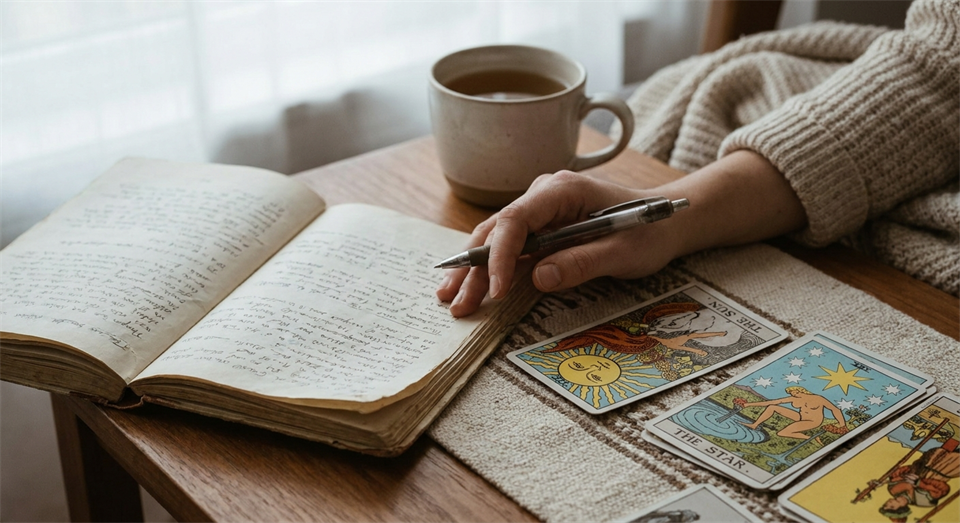
Another persistent misconception is that you should only use a tarot deck if it was given to you as a gift. That may be a nice tradition for some, but it is not a requirement. Most modern tarot users choose a deck themselves because the style of the imagery matters a great deal in how easy the cards are to work with. Some prefer classic illustrations, while others feel more at home with modern, minimalist, or artistic versions. If you are new, it can actually be an advantage to choose a deck yourself that you feel comfortable with. The most important thing is not how you got the cards, but whether you want to get to know them and use them in a way that makes sense to you.
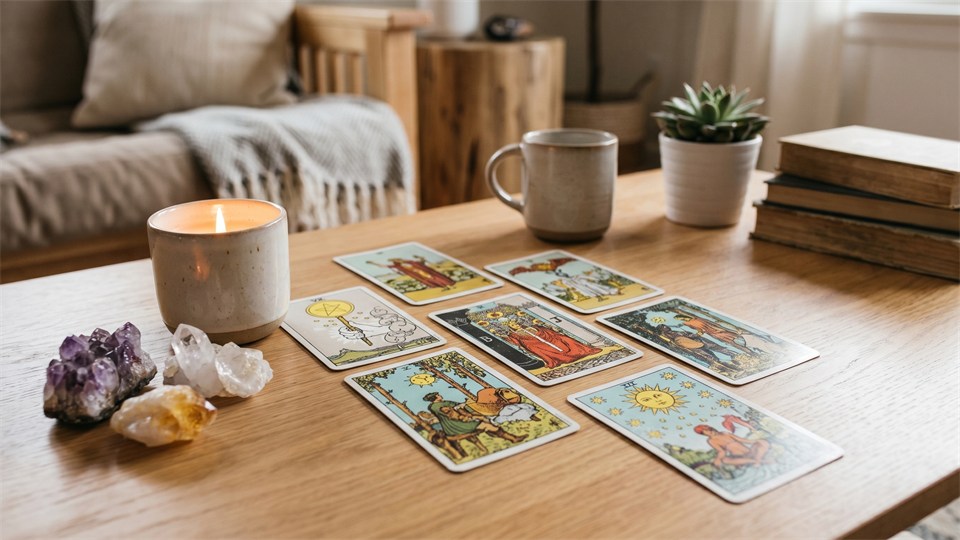
Today, tarot is used far more broadly than many people imagine. Some draw a single card in the morning as a theme for the day. Others use a small spread when facing a choice, wanting to understand a conflict, or trying to put words to a feeling. Tarot is also used in creative contexts, where writers, artists, and designers draw cards to generate new ideas. A card like the Fool, for example, can inspire bold and experimental thinking, while the Hermit can invite calm, depth, and distance from noise. In this way, tarot works as a tool to spark thoughts rather than as a system that delivers ready-made solutions.
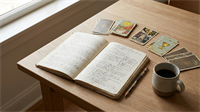
Many people also use tarot together with journaling. Here, you write down your first impressions of a card, note which details stand out, and then explore how the card relates to your current situation. If, for example, you feel stuck in your working life and draw the Eight of Swords, you can ask yourself whether the limitation is external, internal, or both. This makes tarot a tool for self-insight, because the cards help formulate questions you might otherwise avoid. Even without spiritual belief, this process can be valuable precisely because images and symbols often open up different thoughts than pure analysis does.
One of the healthiest ways to use tarot is to see the cards as invitations to reflection. This means you do not have to ask, "What will definitely happen?" but can instead ask, "What should I pay attention to?" or "What pattern is shaping this situation?" This approach makes tarot more flexible and less intimidating. If a card points to challenges, it can be used as an opportunity to prepare or change course. If a card points to possibilities, it can remind you to act more consciously. Tarot thus becomes a language for inner processes, choices, and perspectives, not a judgment on the future.
It is especially useful for beginners to remember that a tarot reading does not have to be perfect to be meaningful. Many people think they must know all the meanings by heart, but it is far more important to notice the imagery, mood, and context. Does the figure on the card look calm or pressured? Is there movement, stillness, light, or darkness? Which colors dominate? By starting with what is visible, tarot becomes more accessible. Only later can you add more layers with traditional symbolism and fixed interpretations. This simple method makes it easier to use tarot in practice without feeling overwhelmed.
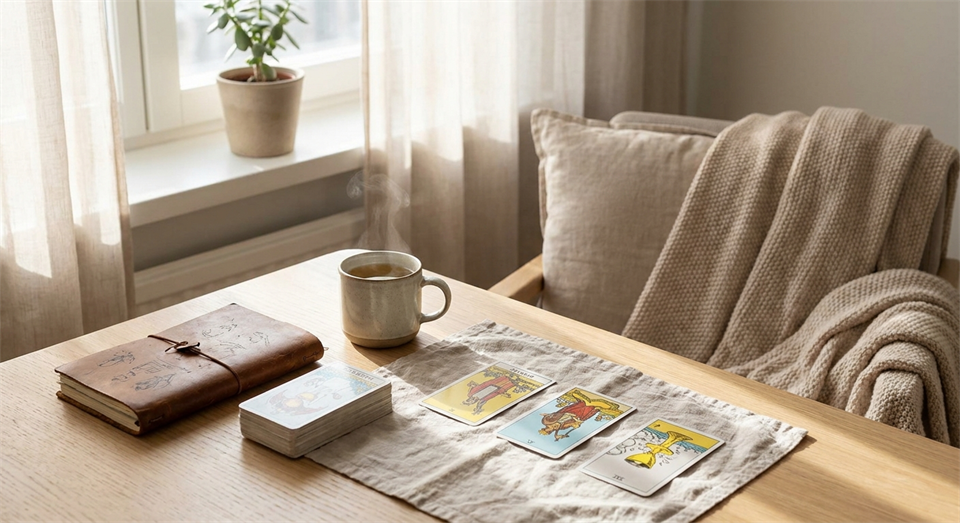
Although tarot can be inspiring, it is important to use it thoughtfully. The cards should not replace professional help in matters of health, law, finances, or mental well-being. If a person has serious concerns about illness, debt, or crisis, tarot is not a solution in itself. It may perhaps be used as support for reflection, but not as authoritative advice. This boundary is important because tarot can easily be given too much weight if someone is vulnerable or desperate for certain answers. A responsible approach is therefore to use the cards as a supplement to reflection, not as a substitute for knowledge, treatment, or concrete action.
Ethics is also about how you read for others. It is rarely a good idea to make absolute statements about other people's future or relationships. Instead, you can phrase things openly and respectfully: "The cards point to tension" or "it may be worth exploring this theme more closely." You should also respect privacy and consent. Reading about a third person who is not present can quickly become problematic, especially if the reading is used to confirm suspicions or fears. In modern tarot practice, many therefore emphasize responsibility, clear boundaries, and a focus on the person who is actually seeking insight.
If you are curious about tarot, you do not need to begin with large spreads or complicated systems. A good first step is to choose a deck whose imagery you like and then draw one card at a time. Ask, for example, "What should I focus on today?" Look at the card for a minute before looking up the meaning. Write down what you yourself notice, and then compare it afterward with a guidebook. In this way, you train both your own observation and your understanding of traditional symbolism. After some time, you will discover that the cards begin to feel more familiar and that your interpretations become more confident and personal.
It can also help to create a simple routine. Some use tarot once a week to gather their thoughts and plans. Others draw a card at the beginning of the month and use it as a theme. If you want to keep it grounded, you can end each reading with a concrete question: "What will I do with this insight?" That anchors the experience in everyday life and makes tarot more practical. Instead of only thinking about symbols, you can turn them into small actions, such as having a conversation, setting a boundary, writing down an idea, or giving yourself more peace.
Tarot does not have to be mysterious, frightening, or difficult to understand. In practice, for many people it is a tool for reflection, creativity, and better questions. The myths about evil cards, dangerous forces, and fixed destinies often overshadow the fact that in modern use, tarot is just as much about self-insight and perspective. When the cards are used with curiosity, common sense, and clear boundaries, they can become a meaningful part of leisure time. Whether you see tarot as symbolic work, personal development, or a creative habit, the most important thing is not to find the perfect answer, but to discover which thoughts and possibilities the cards help you notice.