
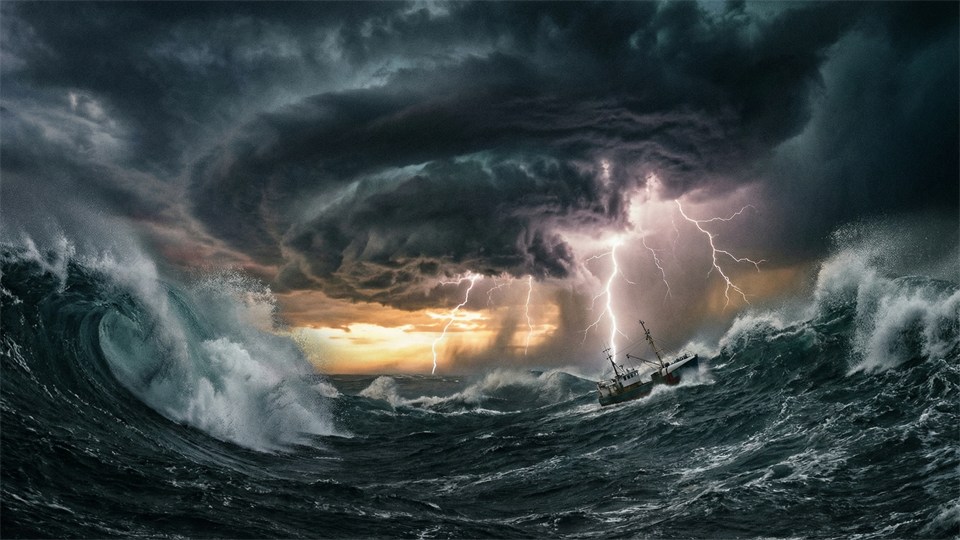


Extreme weather covers weather phenomena that are much stronger and more destructive than what we normally experience. Storms and hurricanes are among the most violent types of extreme weather. They can cause great damage to nature, buildings, and human life.
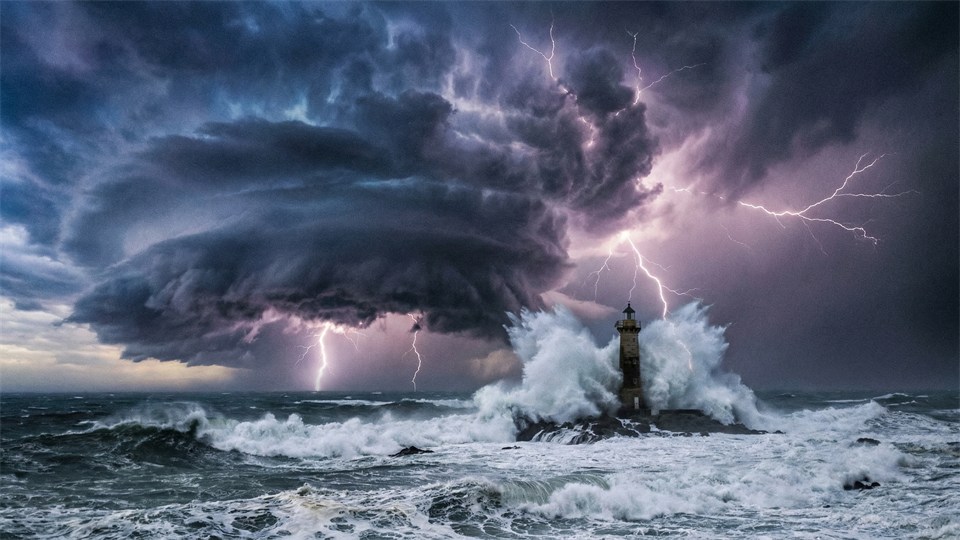
A storm is weather where the wind blows with very great force. In Denmark, it is called a storm when the average wind speed reaches 25 m/s or more. Storms can occur over both land and sea and are often accompanied by heavy rain, lightning, and thunder.
Storms form when there are large differences in air pressure between two areas. The air moves quickly from high pressure towards low pressure to balance the difference. The greater the pressure difference, the stronger the wind becomes. At the same time, warming from the sun or cold air from the poles can provide extra energy to the weather system.
A hurricane is a particularly violent form of storm that forms over warm seawater. Hurricanes are also called tropical cyclones or typhoons, depending on where in the world they occur. To be called a hurricane, the average wind speed must reach at least 33 m/s (about 119 km/h).
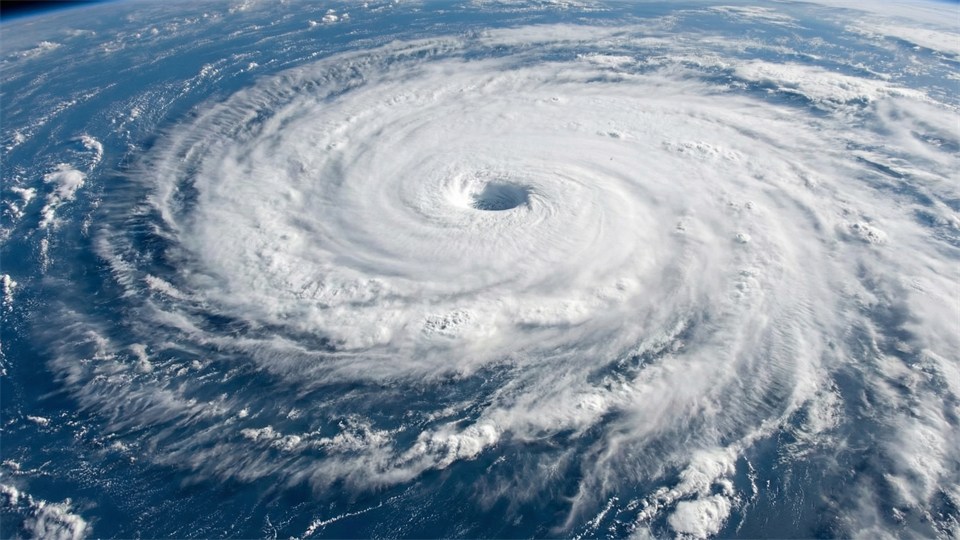
Extreme weather conditions can be life-threatening. Strong winds can topple trees and buildings, while large amounts of rain can lead to flooding and landslides. In coastal areas, hurricanes can create storm surges, where the sea is pushed far inland.
Yes, modern meteorology makes it possible to predict where and when storms and hurricanes will occur. Meteorologists use satellites, weather balloons, and radar to monitor the atmosphere and sea temperatures. Warnings are issued so people can prepare and seek safety in time.
Scientists believe that climate change can make storms and hurricanes both more frequent and more powerful. As the sea gets warmer, there is more energy to form tropical hurricanes. At the same time, changes in the atmosphere and ocean currents can affect where and how storms develop.
Although we cannot prevent storms and hurricanes, we can become better at predicting them and protecting ourselves and our communities. Buildings can be reinforced, coastal protection can be improved, and people can be educated on how to act in dangerous weather.
Storms and hurricanes are examples of nature's enormous forces. Although they can be destructive, understanding them helps us protect lives and property. With knowledge and preparation, we can reduce the risk and respond more quickly when extreme weather strikes.