

As our world becomes more digital, the need to quickly process large amounts of data is growing. This is where edge computing comes into play – a technology that moves data processing closer to the user and the devices that generate data. But what does it actually mean, and why is edge computing so important today?
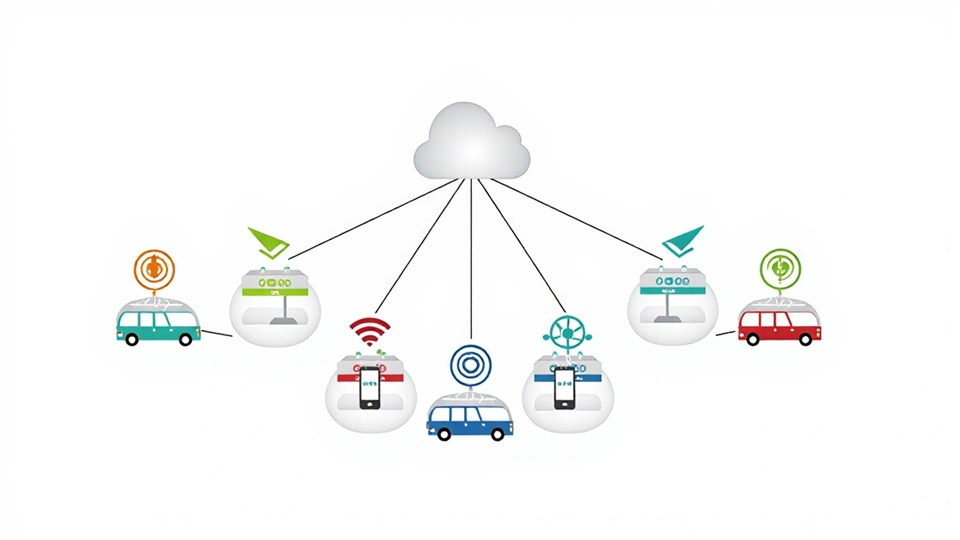
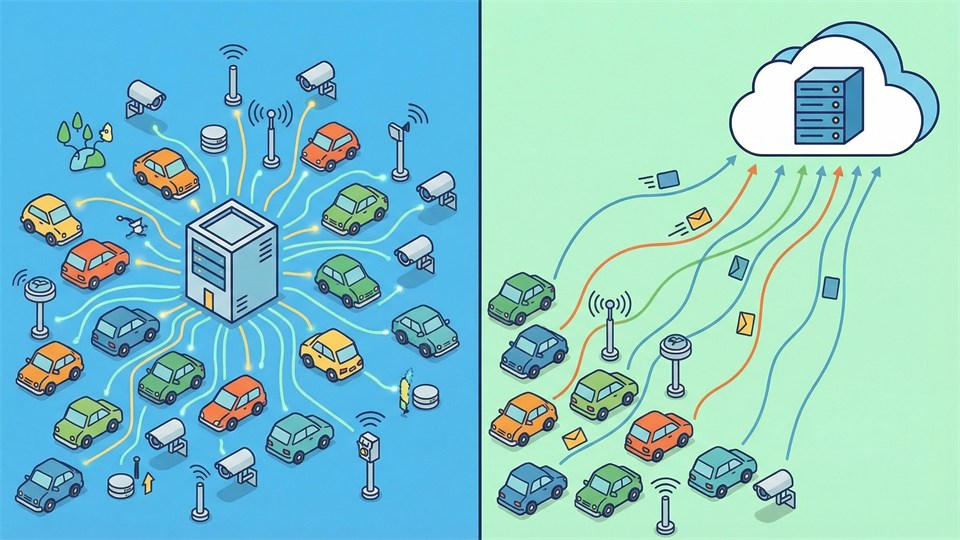
Traditionally, data from computers, sensors, or other devices is sent to large data centers or "the cloud" to be processed. But with more devices constantly generating data – such as sensors in cars, smartwatches, and industrial machines – bottlenecks and delays occur. Edge computing solves this by moving part of the data processing out to the edge ("edge") of the network, that is, closer to the actual device.
Imagine a self-driving car. In order to react quickly to road conditions, pedestrians, or other cars, the car must process data immediately – it is no use sending data to a distant data center and waiting for a response. Here, data is analyzed directly in the car (on the edge device), so the reaction happens instantly.
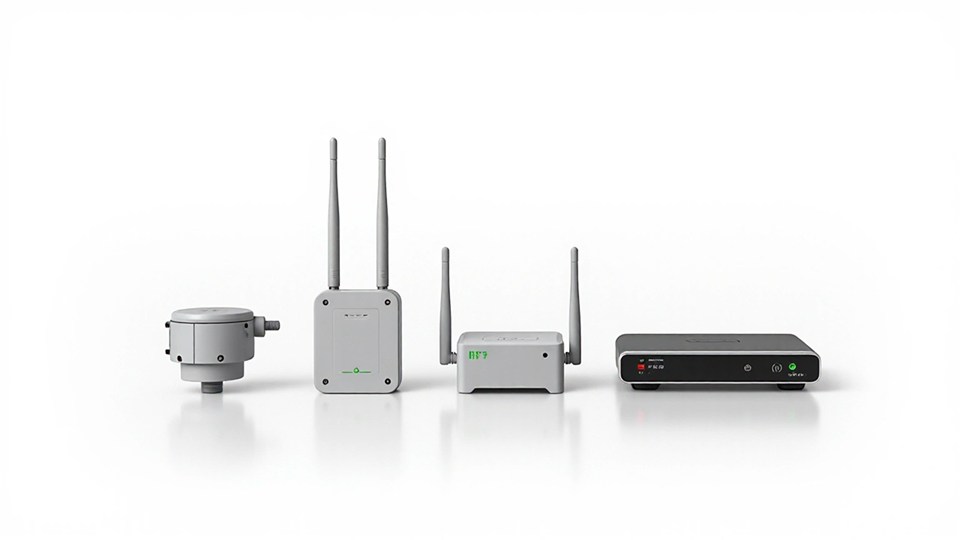
Edge computing consists of small computers or servers placed close to the devices that collect data. These edge devices can filter, analyze, and process the information before anything is sent on to the cloud. Only the most important data – e.g., summarized results or alarms – is sent on for central processing.
Edge computing and cloud computing often work together. While the cloud is good for storing large amounts of data and performing heavy computations, edge computing excels when it comes to fast, local processing of data. Many modern solutions combine both approaches to get the best of both worlds.
With the continued growth in the number of smart devices and the need for fast data processing, edge computing will become more significant. The technology supports Internet of Things (IoT), artificial intelligence, and automation – and paves the way for everything from smart factories to advanced healthcare technology.
Edge computing is about bringing data processing closer to where the data originates. It provides faster reactions, less network traffic, and can increase both security and stability in many digital solutions. For everything from self-driving cars to smart homes, edge computing will be a crucial part of future technology.