
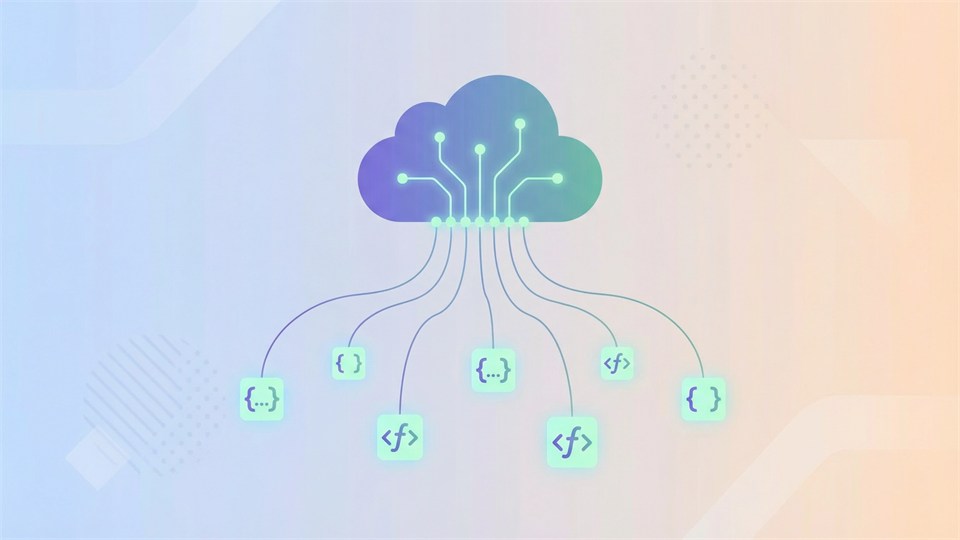


Serverless computing is one of the most talked-about concepts in modern software development. But despite the name, "serverless" does not mean that there are no servers involved at all. Instead, it’s about a new way to develop and run applications, where developers don’t have to think about server management and infrastructure. Let’s dive into what serverless computing actually is, how it works, and why it’s gaining traction.
Serverless computing, or serverless computing, is a cloud-based model where the cloud provider automatically handles everything related to servers, scaling, maintenance, and resource management. Developers only write the code that solves their task and upload it as small functions to the cloud platform. The rest – including where the code runs, how much it can scale, and how it is monitored – is handled automatically.
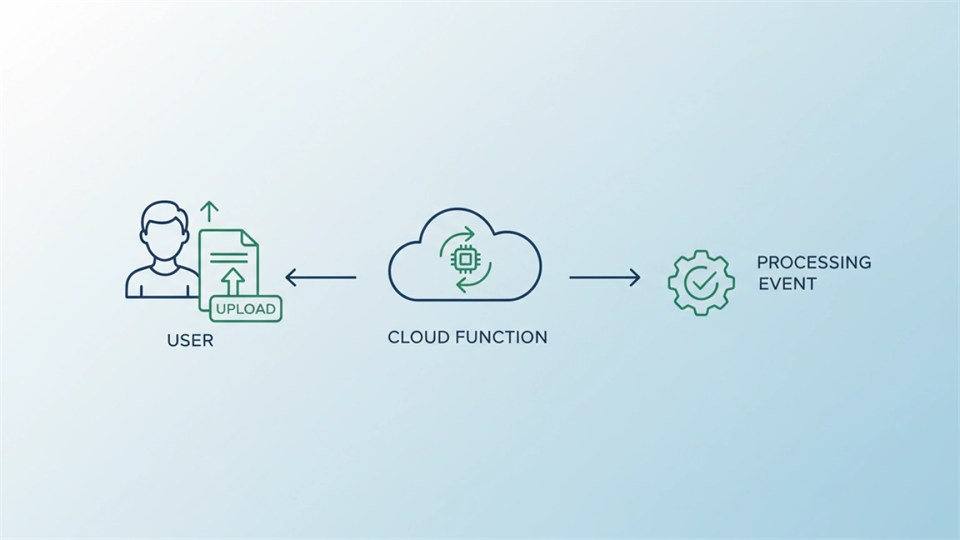
Serverless computing is based on a concept called Functions as a Service (FaaS). Here, the developer writes small pieces of code – called functions – each performing a specific task, for example handling a user request or processing data. When a certain event occurs, the relevant function is triggered automatically.
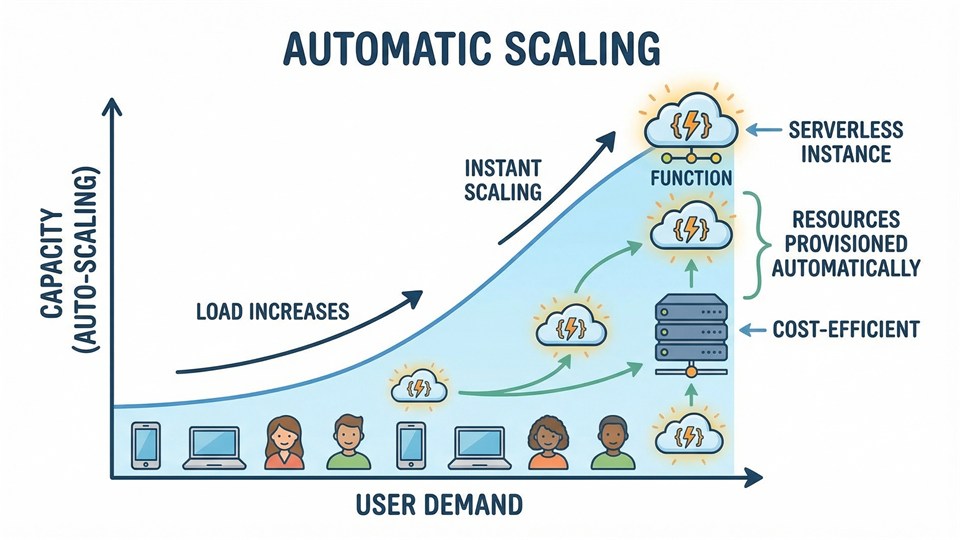
The cloud provider (e.g., AWS Lambda, Azure Functions, or Google Cloud Functions) ensures the function runs as long as necessary, and then shuts it down afterwards. The developer does not need to worry about the number of users or the amount of traffic – the platform handles it all behind the scenes.
If you want to try serverless computing, most major cloud providers offer free tiers or "starter packs." You can create a simple function that, for example, returns a response when a certain event occurs – and then build from there. Typically, this is done via a web interface where you write the code directly or upload it as a file.
Traditionally, developers had to create and maintain servers, install software, and handle all updates, security, and scaling themselves. With serverless, all this is left to the cloud provider. This gives more time to focus on innovative solutions and the actual business logic.
| Traditional server | Serverless |
|---|---|
| You manage the server yourself | The cloud provider manages everything |
| Pay for the entire server around the clock | Pay only for actual usage |
| Requires maintenance and updates | Automatic maintenance |
| Scaling requires setup | Automatic scaling |
Serverless computing is still a relatively new field, but it’s growing rapidly. More companies are choosing serverless because it enables faster innovation, lower costs, and high flexibility. As the platforms mature, even more advanced features, easier integration, and even better performance are expected.
Serverless computing makes it possible to build and run applications without thinking about servers, setup, and maintenance. It frees up time and resources for developers so they can focus on what really matters: creating smart solutions. Although there are challenges and limitations, serverless is one of the most exciting technologies in modern cloud computing – and something we will see much more of in the future.