



Cryptocurrency has become a popular topic worldwide, but many people are still unsure what it actually is and how it works. In this article, you’ll get a thorough, easy-to-understand introduction to cryptocurrency – from the first digital coins to today’s global digital economy.
Cryptocurrency is a digital form of money that exists only electronically. Unlike traditional currencies (such as kroner, euros, or dollars), cryptocurrency is not issued or controlled by a central bank or government. Instead, cryptocurrency is based on advanced encryption and a decentralized network of computers that together keep track of values and all transactions.
Cryptocurrency works without banks or authorities as intermediaries. This means you can send and receive money directly to and from other people, no matter where in the world they are. The entire process is based on a digital "ledger," called a blockchain, where all transactions are stored and secured with cryptography.
To understand cryptocurrency, you need to know about three basic elements: blockchain technology, encryption, and decentralization.
All cryptocurrency transactions are stored in a blockchain – a kind of public, digital ledger where no one can change the history. Every time someone sends or receives cryptocurrency, a new entry is added to the blockchain, which is copied to thousands of computers (nodes) around the world.
Cryptocurrency is secured with advanced encryption, so only the owner of a particular digital wallet can use the associated funds. All communication and transactions take place via "keys" – a public key (address) and a private key (password), which together protect your money.
Traditional money is controlled by banks and governments, but cryptocurrency lives on a network of independent computers. No single actor can change the rules or take control of the system. This makes cryptocurrency robust against censorship and manipulation.

Over 10,000 different cryptocurrencies exist today, but some are much more well-known and widespread than others:
If you want to own cryptocurrency, you have several options:
To store and use cryptocurrency, you need a digital wallet. Wallets exist as apps, websites, or physical devices ("hardware wallets"). It is important to protect your passwords, as they give access to your money.
Cryptocurrency is still a relatively new technology, and development is moving fast. Many hope that cryptocurrency can provide access to financial services for people without banks, and that the technology can create new, innovative ways to trade and collaborate globally. At the same time, authorities are working to regulate and monitor the market to protect users.

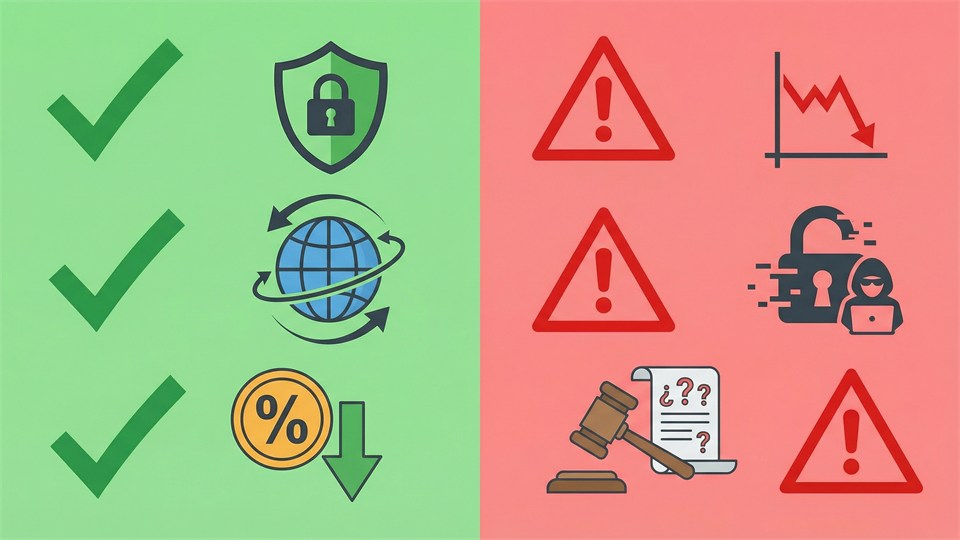
Cryptocurrency is digital money that works without banks, based on blockchain technology and advanced encryption. The advantages include global access, security, and transparency, but there are also risks and challenges. Cryptocurrency is an exciting field that can change the way we think about money and the economy – but it requires both knowledge and caution to get started successfully.