



DA | EN | DE | FR | ES

What is Open Source? Understand open source software and why it matters

teknologi Modern Tech
What is Open Source? Title Image

Open source is one of the most central concepts in modern technology, but what does it actually mean? Many of the programs and systems we use every day – from web browsers to operating systems and apps – are built on open source principles. In this article, we explain what open source is, why it is important, and how it affects both developers and users around the world.

Illustration of software developers collaborating on code

What does open source mean?

"Open source" means literally "open source code." This means that the code behind a program or application is freely available to anyone who wants to view, use, modify, or share it. Open source stands in contrast to "closed source" (proprietary software), where the code is secret and only controlled by the company behind the product.

Main principles of open source

  • Open access: Anyone can read and download the source code.
  • Freedom to modify: Users and developers can customize or improve the software.
  • Sharing allowed: It is legal to share both original and modified code with others.
  • Collective development: Many contribute to making the software better.

How open source software works

Open source projects are often driven by a community of volunteer developers, companies, and users. Anyone can suggest improvements, fix bugs, or add new features. The projects are typically managed through online platforms like GitHub, where you can see changes in the code, discuss solutions, and collaborate globally.

Examples of well-known open source software

  • Linux: One of the world's most widespread operating systems.
  • Firefox: Popular open source web browser.
  • VLC Media Player: Versatile media player for many platforms.
  • WordPress: The world's most used system for websites and blogs.
  • Blender: Powerful 3D graphics program.

Open source licenses: What are you allowed to do?

Although open source code is freely available, there are still rules for how you may use and share it. These rules are called licenses. Some of the most well-known open source licenses are:

  • The MIT License: Very permissive – you can do almost anything, as long as you credit the original authors.
  • GNU GPL: You must share any changes under the same license.
  • The Apache License: Freedom to use and modify, but with requirements for attribution and certain restrictions.

It is important to read the license before you use or modify open source software, especially if you want to use it in commercial products.
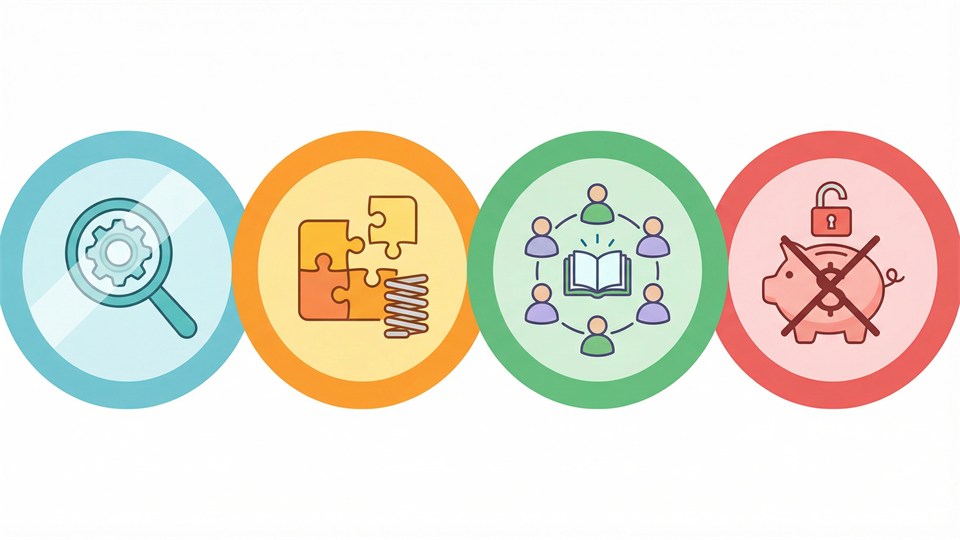
Advantages of open source

  • Transparency: Everyone can see what the program does – this increases trust.
  • Stability: The code can be maintained and updated by many, not just one company.
  • Flexibility: You can customize the software to your own needs.
  • No license costs: Most open source programs are free.
  • Strong communities: Users help each other and share knowledge.
Graphic overview of the benefits of open source

Challenges and limitations

  • Support: Not all open source projects have professional support.
  • Complexity: Some open source programs require technical knowledge to use or install.
  • Fragmentation: Many versions and "forks" can make it difficult to choose.
  • Slower development: If a project loses active contributors, development can stall.

Open source and society

Open source has helped democratize technology. It makes it possible for everyone – regardless of background or finances – to access advanced tools and knowledge. Many educational institutions, public authorities, and companies today use open source software to avoid dependence on single vendors and to save money.

How can you contribute?

Everyone can help strengthen open source. In addition to coding, you can:

  • Report bugs or issues
  • Improve documentation
  • Translate programs into other languages
  • Donate to projects

No matter your level, you can find a project where your help makes a difference.

Conclusion

Open source is more than just free software – it is a philosophy of openness, collaboration, and innovation. It has transformed the way we develop and use technology, and makes it possible for everyone to participate in the digital future. Whether you are a user or a developer, open source is worth knowing about and getting involved in.



You might also like

Astrology
Det overnaturlige
Astrology
A Window to the Universe
World History According to KGM.DK
Historie
World History According to KGM.DK
From the Big Bang to Covid
Rosé Wine
Øl og Vin
Rosé Wine
Rosé Wine: From Summer Drink to Serious Wine Experience
USB Sticks
Hardware
USB Sticks
From Type-A to USB-C and Everything In Between