



Rosé wine, with its beautiful pink hues and refreshing flavor notes, is the perfect bridge between white and red wine. But what exactly is it? Many beginners assume that rosé is simply a blend of red and white wine, but that is rarely the case.
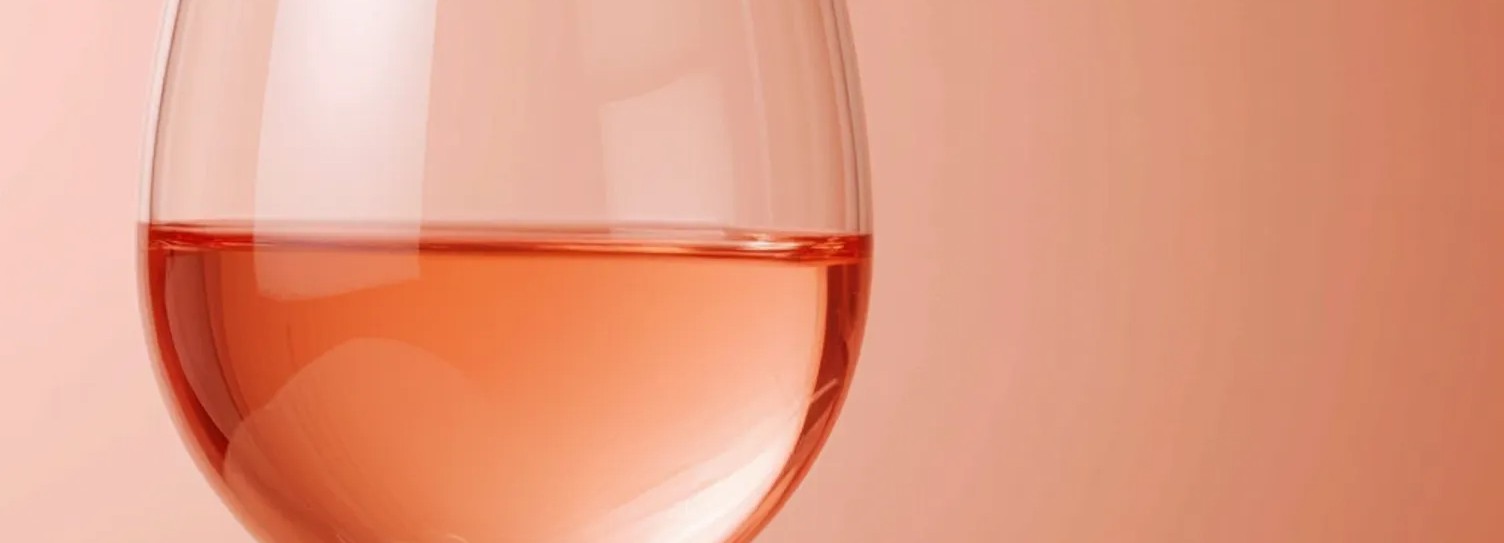
Rosé is typically made from red grapes, and the winemaking process gives it its distinctive color and crisp character. The juice from the red grapes has brief contact with the grape skins, just long enough to impart color and a hint of tannin. The result is a light and versatile wine, equally suited for casual enjoyment as for elegant meals.
Rosé is often seen as a modern, trendy wine, but its history stretches back thousands of years. In ancient Greece and Rome, most wines were lighter in color because winemaking techniques were relatively primitive. What we now consider rosé was likely the standard style for early wine.
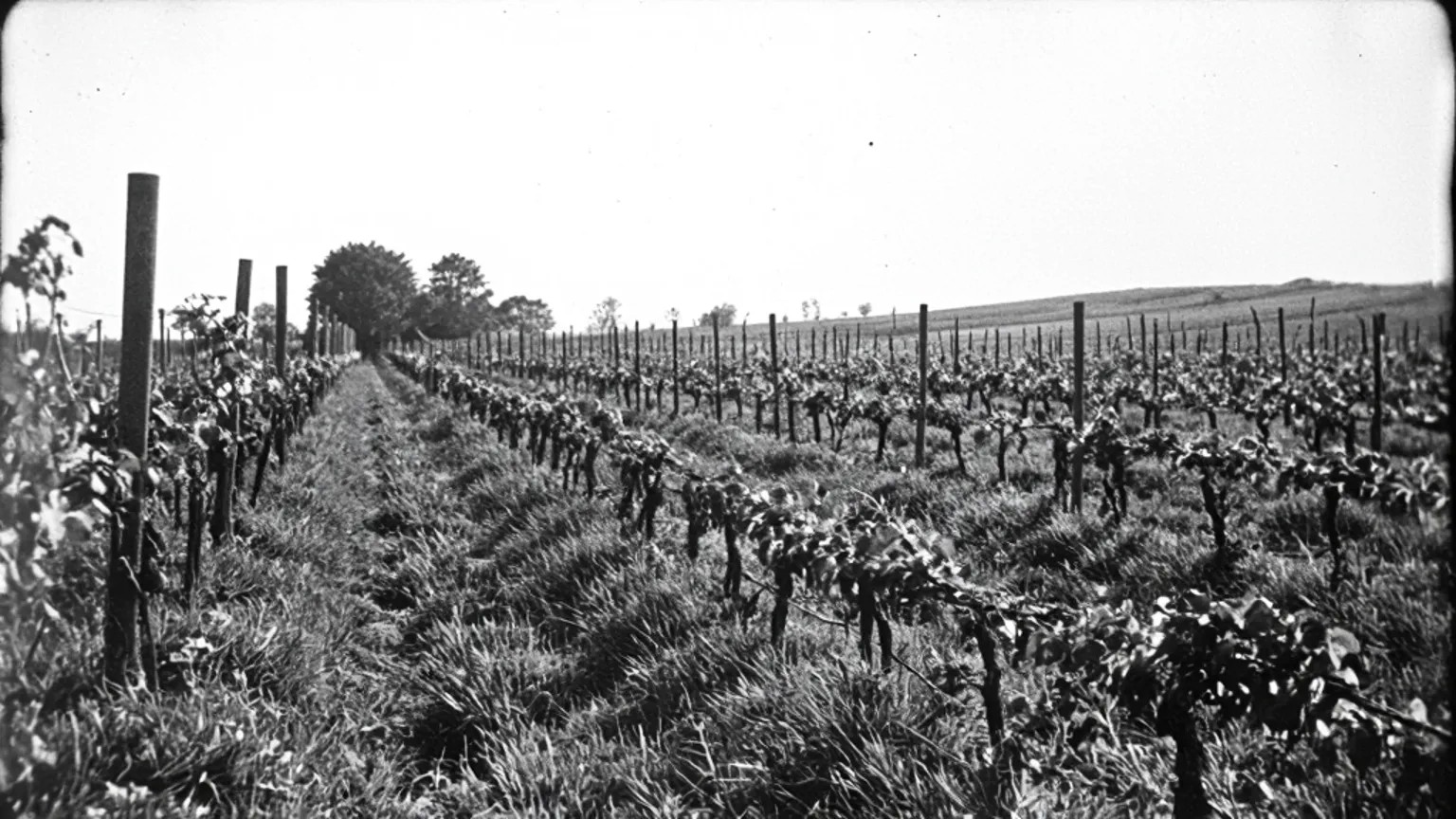
In more recent times, Provence in France has become synonymous with high-quality rosé production. From there, the popularity of rosé spread throughout Europe and, more recently, around the world. Today, rosé is experiencing a well-deserved renaissance as wine lovers embrace its variety, style, and accessibility.
Rosé can be produced in several ways, and understanding this process helps explain why rosé is so diverse in color and flavor.
The most common technique is limited skin contact: After pressing red grapes, the juice remains in contact with the skins for a short period—usually just a few hours to a day—before fermentation continues as a white wine. The longer the contact, the deeper the color and the more pronounced the flavor notes.
Other methods include:
| Method | Description |
|---|---|
| Saignée (“bleeding”) | A portion of juice is "bled off" during red wine fermentation to make rosé |
| Blending | Blending a small amount of red wine into white wine (rarely used for quality rosé wines, more common in sparkling rosé) |
Each method results in rosé wines with different textures, aromas, and flavor notes.
The beauty of rosé wines is their versatility. They can be bone dry or delightfully sweet, light and citrusy or full-bodied and fruity. Here are some of the most popular styles from around the world:
Tasting rosé is about enjoying its freshness and subtle complexity. While some rosés are simple and delicious, others are layered and exciting. Here’s how to get the most out of your glass:
| Sensory | Description |
|---|---|
| Appearance | Admire the color, which can range from nearly invisible blush to vibrant salmon pink |
| Aroma | Gently swirl the glass and inhale. Common aromas include strawberry, watermelon, citrus, and flowers |
| Taste | Take a sip and enjoy the interplay between fruit, acidity, and texture. Is it crisp and dry? Juicy and fruity? Soft or lively? |
| Mouthfeel | Notice the mouthfeel and aftertaste. A good rosé should feel refreshing and make you want another sip |
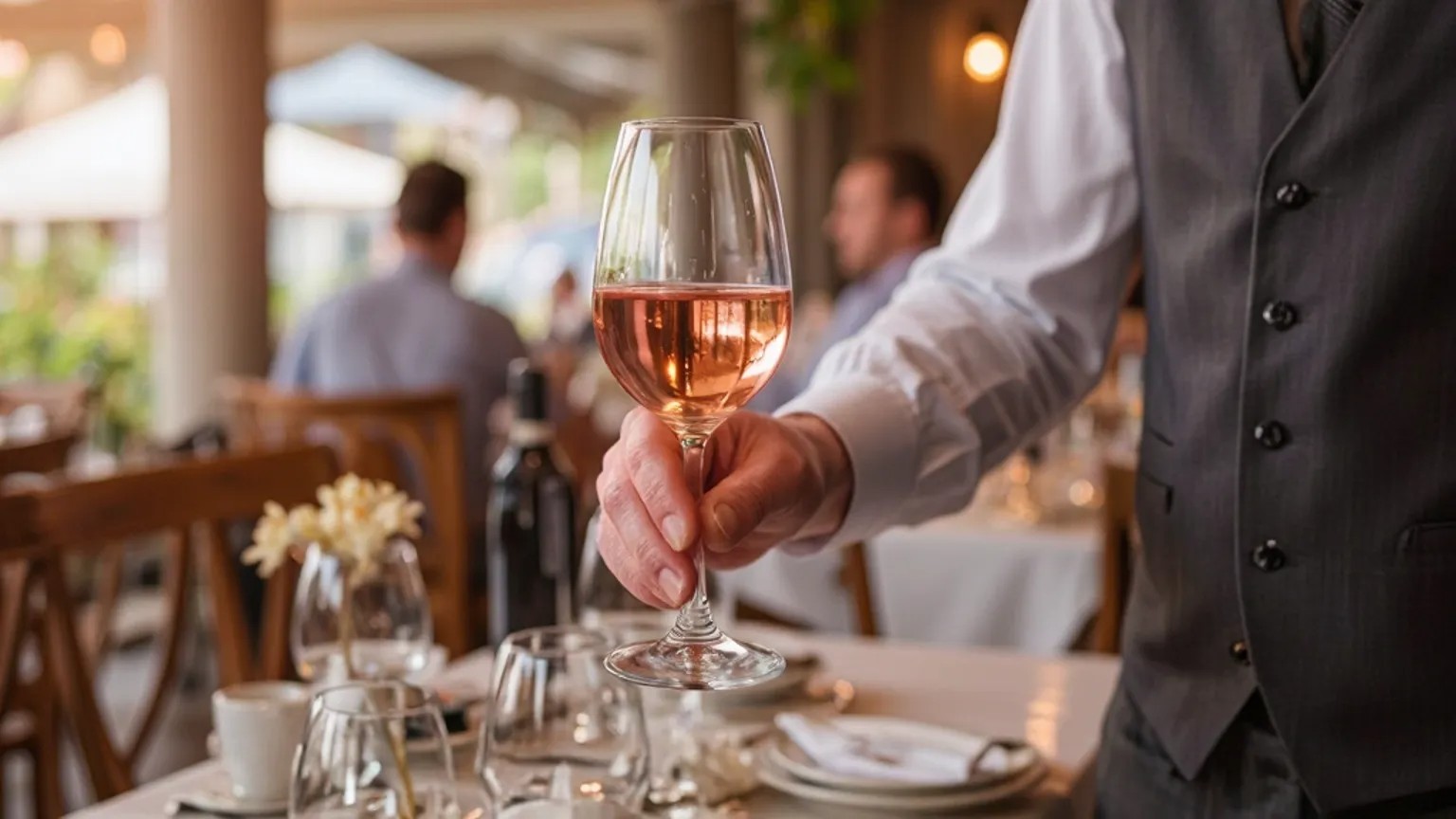
Rosé is one of the most versatile food wines on the market. It bridges the gap between white and red wines and can be paired with a wide variety of dishes. Additionally, it is ideal for both casual occasions and elegant meals.
Serving Tips| Tip | Description |
|---|---|
| The glass | Use white wine glasses to focus the delicate aromas |
| The temperature | Serve well chilled (approx. 7-10 °C / 45-50 °F) |
| Rosé type | Description |
|---|---|
| Pale | With salads, seafood, cheese, or sushi |
| Fruity | With grilled chicken, Mediterranean dishes, or charcuterie |
| Full-bodied | With barbecue, spicy dishes, or roasted vegetables |
Rosé is also well suited as an aperitif or picnic wine.
It’s easier to choose rosé than you might think—just follow your taste preferences, and don’t be afraid to experiment. Rosé is usually meant to be enjoyed young and fresh—vintages of one to two years are ideal.

| Tip | Description |
|---|---|
| The safe choice | Provence rosé is a safe choice for a dry and elegant style |
| Storage | Store bottles cool and dark, just like white wine |
| Variety | Try rosés from Spain, Italy, and local producers for variety |
| Freshness | Drink within a year or two of purchase for peak freshness |
The best way to start your rosé journey is to try a few different styles side by side. Host a relaxed wine tasting with friends, or visit a wine bar that offers a rosé tasting. Pay attention to the colors, aromas, and flavor profiles you prefer.

Don’t stress about the rules—rosé is about enjoyment and exploration. Whether you’re sipping it by the pool or serving it with a gourmet meal, the world of rosé is wide open. Cheers!