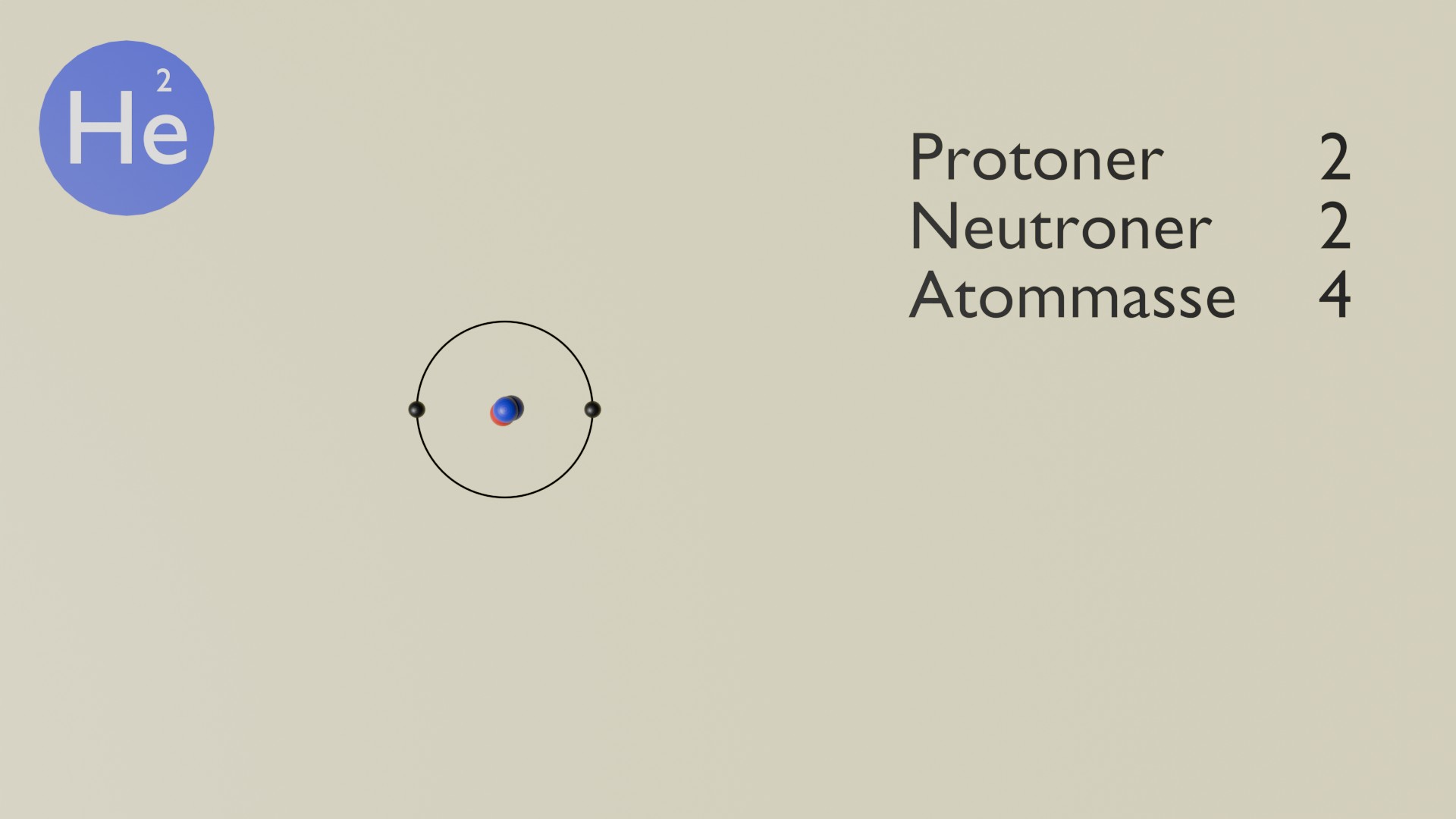
Helium (He) is a chemical element with atomic number 2 and is placed in group 18 of the periodic table. It is a noble gas and shares some properties with other noble gases.
1. Introduction to Helium
Helium is a colorless, odorless, tasteless, non-toxic, inert monoatomic gas that has a relatively low boiling point (-268.93 °C) and melting point (-272.2 °C). It is the second lightest element and the second most abundant element in the observable universe, making up about 24% of the total elemental mass, which is more than 12 times the mass of all the heavier elements combined.
2. Physical and Chemical Properties
Helium is found in natural gas deposits, and it can also be extracted from the atmosphere by a process of condensation.
3. Industrial Applications
Helium has a wide range of uses in industry. The main applications are shown in the table below.
| Application | Description
|
| Balloons and airships | Used as a lifting gas in balloons and airships due to its low density and non-reactivity |
| Reactors and cryogenics | Used as a coolant in nuclear reactors and cryogenics due to its low boiling point and lack of reactivity |
| Chromatography | Used as a shielding gas in welding and other high-temperature industrial processes and in breathing gas for diving |
4. Extraction and Handling
As a noble gas, helium is non-reactive, and therefore considered safe to handle and use. However, inhaling pure helium can lead to suffocation due to lack of oxygen.