

Beer is much more than just a thirst-quencher for football nights or barbecues. Behind every beer lies a wealth of flavor nuances, aromas, and experiences waiting to be discovered. Many beer drinkers only taste superficially, but with a few simple techniques, you can learn to taste beer like a true expert—whether you're a beginner or have been drinking beer for years. In this guide, you'll get step-by-step instructions, explanations, and concrete exercises so you can explore the world of beer in depth and impress your friends with your new knowledge.
A good beer tasting starts long before the first sip. To experience the beer optimally, you need to prepare both the surroundings and your senses. Start by choosing a suitable beer glass—preferably a tulip-shaped glass, which concentrates the aromas. Avoid strong smells in the room, such as food, perfume, or smoke, as they can interfere with the taste impression. The beer should be served at the right temperature: light beers around 6-8°C and dark beers preferably a bit warmer, around 10-14°C. Pour the beer gently so you get a nice foam head, but don't knock out all the carbonation.
If you have several beers, taste them in order from the mildest to the strongest. This way, you avoid the stronger beers overpowering the more delicate flavor nuances in the lighter beers. Have some water and neutral, flavorless food—such as a piece of bread—on hand so you can cleanse your palate in between.
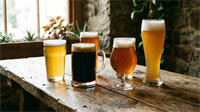
Before you take the first sip, let your eyes do the work. Hold the beer glass up to the light and assess the color—does it range from straw yellow, golden, amber to dark brown or almost black? Try to note the clarity of the glass: Is the beer completely clear, slightly hazy, or downright opaque? The foam head also says a lot: Is it fine and dense, or large and quickly fading? The color of the foam can vary from pure white to slightly brownish, depending on the beer type.
The appearance can give you the first clue about the beer’s style and flavor profile. Example: A light, clear pilsner often has a fresh and light taste, while a dark, opaque stout often offers deeper, roasted, and sweet notes. Observing the beer is an important step because sight prepares the brain for what to expect in aroma and taste.

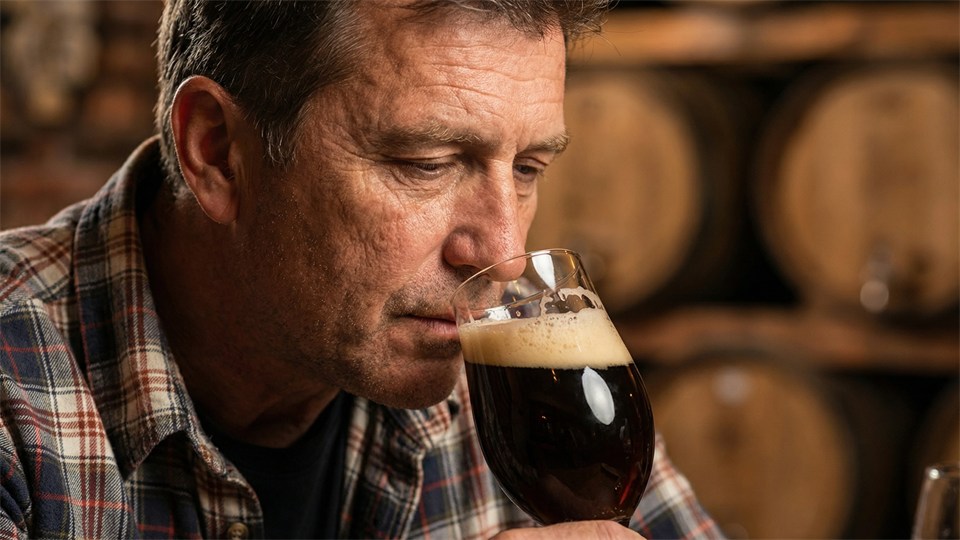
The aroma is a huge part of the beer experience. Gently swirl the beer in the glass to release the aromas, and put your nose to the surface. Inhale through your nose and try to recognize scent notes. Does the beer smell fresh and hoppy, sweet and caramelized, or maybe fruity, spicy, or roasted? Some beers can remind you of flowers, citrus, coffee, chocolate, or even banana and clove—depending on yeast type and ingredients.
Tip: Try closing your eyes while you smell, so you can better concentrate on the aromas. Practice putting words to what you experience. The more you try, the better you become at catching even small nuances—and it makes exploring new beers more fun.
Now it's time to taste. Take a small sip and let the beer roll around in your mouth. Try to note several things at once:
Also try to draw a little air in over the beer in your mouth (just like wine enthusiasts do), so the aromas are released even more. This can open up more flavor nuances you might not have caught with the first sip.

Tasting beer like an expert is also about being able to describe your experiences. The more precisely you can put words to what you experience, the greater understanding you gain of the beer’s complexity. Try making small notes as you taste. For example, write:
There are no right or wrong descriptions—the most important thing is that you become aware of what you like and how different beers differ from each other. If you want to go deeper, you can use a flavor wheel for beer, where the most common aromas and flavor impressions are gathered. This makes it easier to identify and describe complex beers.
Here are some typical examples of how you can experience different beer types:
Light, clear, and easy. The aroma is often fresh, slightly grainy, and with a mild bitterness from the hops. The taste is clean and dry, with a discreet malt profile and a refreshing finish.
Often golden to copper-colored and slightly hazy. IPAs have a pronounced hop aroma—typically citrus, pine, tropical fruits. The taste is bitter, but can have sweetness from the malt and a long, complex aftertaste.
Very dark, often almost black with creamy, brown foam. Aroma of coffee, chocolate, roasted malt. The taste is full-bodied, smooth, with notes of cocoa, licorice, and sometimes smoke or dried fruit.
Cloudy, light yellow with a large, airy foam head. Aroma of banana, clove, and citrus. The taste is soft, slightly sweet, often with a fresh acidity and mild bitterness.
One of the best ways to develop your palate is to taste several beers side by side. Invite friends to a small beer tasting where you each describe what you experience. Often, you notice flavor nuances you hadn't noticed yourself when you discuss with others. Share your notes and be curious together!
Tasting beer like an expert doesn't require special equipment or many years of experience—just curiosity, attention, and the desire to explore. By consciously using your eyes, nose, and palate, you open the door to a world of taste experiences that make even the simplest beer a little journey of discovery. Try the techniques next time you enjoy a beer—and discover how much more there is to taste if you pause and take your time. Cheers—and enjoy!