


DA | EN | DE | FR | ES

What is Strength Training? A Beginner's Guide to Strength Training and Its Benefits

sundhed og medicin Træningsformer
What is Strength Training? Title Image

Strength training is one of the most widespread forms of exercise, and it has gained enormous popularity among both young and old. Many may associate strength training with big muscles and heavy weights in a gym, but the concept covers much more than that. Regardless of age or physical condition, strength training can be adapted to provide noticeable health benefits for everyone.

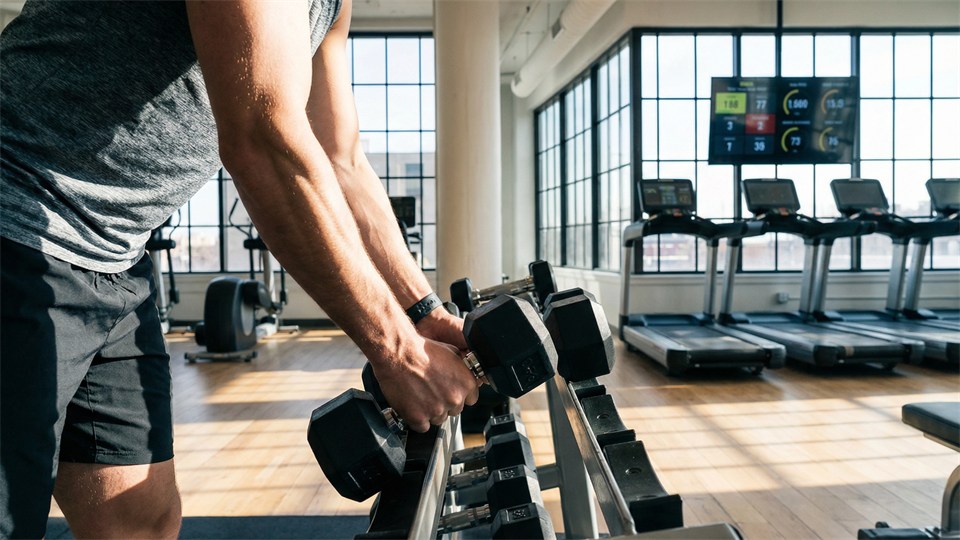
Person lifting dumbbells in a bright gym

What is strength training?

Strength training, also called resistance training, is exercise where the muscles work against an external resistance. This resistance can be weights, bands, your own body weight, or machines. The goal is to make the muscles stronger, bigger, or more enduring. Strength training can be performed in many ways, and you don't need to go to a gym to get started. Exercises like push-ups, squats, or planks are also forms of strength training because they challenge the muscles to work harder than usual.

How does strength training work?

Strength training typically consists of repetitions (reps) and sets. You perform a specific movement, such as lifting a weight, several times in a row (repetitions), and repeat this in several sequences (sets). For example, you can do 3 sets of 10 push-ups. The resistance can be varied so the exercise matches your level and goals.

Different types of strength training

Strength training can be divided into different methods and types depending on what you want to achieve:

  • Bodyweight training: Exercises where you only use your own body weight, e.g. push-ups, plank, and lunges.
  • Free weight training: Use of dumbbells, barbells, and kettlebells.
  • Machine training: Training with fitness machines that guide the movement and make it easier to isolate specific muscle groups.
  • Bands: Resistance bands can be used to add resistance and are easy to take anywhere.

The type you choose depends on your goals, experience, and access to equipment.

Person doing squats with their own body weight

Benefits of strength training

Strength training is not just for those who want big muscles. It has many positive effects on the body and health:

  • Increased muscle strength: You become stronger and can handle everyday challenges more easily.
  • Better bone health: Training with resistance stimulates the bones and can prevent osteoporosis.
  • Improved posture: Stronger muscles provide better support for the back and joints.
  • Increased metabolism: More muscle mass means the body burns more calories – even at rest.
  • Better mental health: Strength training can reduce symptoms of stress, anxiety, and depression.
  • Injury prevention: Stronger muscles and joints reduce the risk of injuries.
  • Improved sports performance: Many sports require strength and endurance, which can be built up with strength training.

These benefits make strength training an important part of a healthy lifestyle – for young people, adults, and seniors alike.

Examples of simple strength training exercises

You don't need expensive equipment or a gym membership to get started. Here are some classic exercises you can try at home:

  • Push-ups: Trains chest, shoulders, and arms. Can be done on toes or knees depending on level.
  • Squats: Strengthens thighs, glutes, and core. Can be performed with or without weights.
  • Plank: A static exercise that strengthens the abdomen and back.
  • Lunges: Challenges legs and balance. Can be done in place or walking.
  • Rows with band: Good for back and arms, only requires a simple resistance band.

Start with a few repetitions and build up gradually. The most important thing is that the exercises are performed with correct technique to avoid injuries.

How to get started with strength training?

If you are a beginner, it may be beneficial to get guidance from an instructor or use online videos. Start slowly and focus on technique rather than weight or number of repetitions. It is better to do fewer, but good, repetitions than many poorly executed ones.

Create a simple training program with 2-3 training days per week. Each training day can consist of 5-7 basic exercises that cover the whole body. Give your body time to recover between workouts, as muscles grow and become stronger during rest periods.

Example of a beginner program

  • Monday: Push-ups, squats, plank
  • Wednesday: Rows with band, lunges, crunches
  • Friday: Repeat Monday's program

Start with 2 sets of 8-12 repetitions per exercise and gradually increase as you get stronger.

Strength training for different age groups

Strength training is for everyone – children, young people, adults, and seniors. For children, it's mostly about play and natural movement, while young people and adults can train more structurally. For seniors, strength training is especially important, as muscle mass naturally decreases with age. Even light strength training can improve balance, mobility, and reduce the risk of falls.

It's never too late to start. Many seniors experience increased quality of life when they add strength training to their daily routine, and improvements can often be felt after just a few weeks.

Safety and good advice

As with all exercise, it is important to listen to your body. Here are some basic safety tips:

  • Warm up for 5-10 minutes before you start.
  • Use correct technique – incorrectly performed exercises increase the risk of injury.
  • Start light and increase the load gradually.
  • Take breaks along the way and drink water.
  • Stop if you experience sharp pain or discomfort.

If you have a chronic illness or injury, you should talk to your doctor before starting strength training.
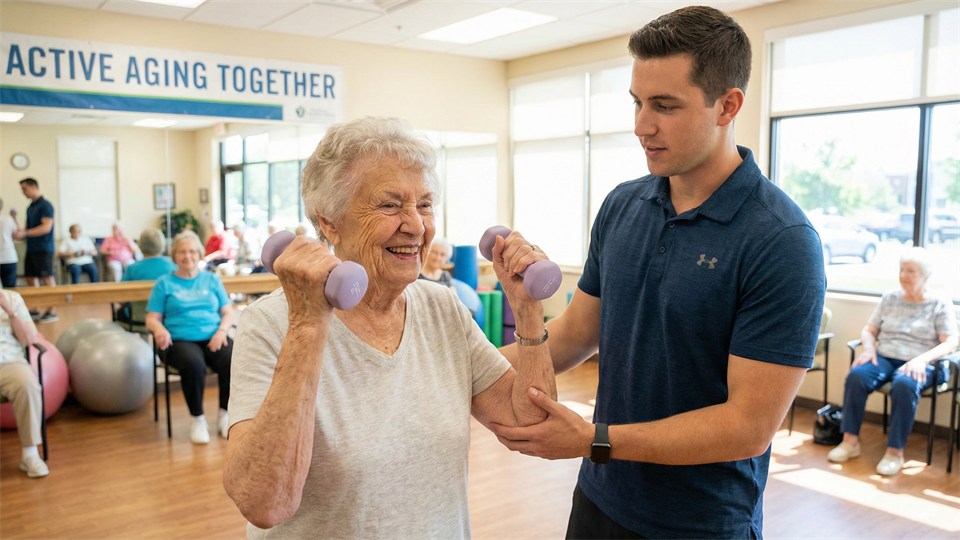
Older person lifting light weights under supervision

Common myths about strength training

Strength training is surrounded by many myths. Here we go through some of the most widespread:

  • "Strength training is only for those who want to be big and muscular": The truth is that everyone can strength train to achieve better health, not just bigger muscles.
  • "Women get too muscular from strength training": Most women will experience increased strength and a firmer body, but not excessively large muscles.
  • "You have to train every day to get results": Muscles need rest. 2-3 times a week is enough for most beginners.
  • "Strength training is dangerous for seniors": On the contrary – strength training can reduce the risk of falls and provide better quality of life.

Conclusion

Strength training is about making the body stronger and healthier through resistance training. Everyone can join in, and you don't need expensive equipment to get started. Whether you train at home or in a gym, the most important thing is to make strength training a regular part of your everyday life. The benefits range from increased strength and better posture to improved mental health and prevention of diseases. Get started at your own pace – your body will thank you for it!


Similar articles

What is Anaerobic Training?
Træning
What is Anaerobic Training?
A Guide to Oxygen-Free Training and Its Benefits
HIIT or Aerobic Training?
Træningsformer
HIIT or Aerobic Training?
Differences, benefits, and what suits you best
Cardio vs Strength Training
Træningsformer
Cardio vs Strength Training
Which is best for weight loss? Understand the differences and choose wisely
How to Lose Weight?
Grundlæggende vægttab
How to Lose Weight?
Master Weight Loss: A Beginner's Guide

You might also like

Astrology
Det overnaturlige
Astrology
A Window to the Universe
World History According to KGM.DK
Historie
World History According to KGM.DK
From the Big Bang to Covid
Rosé Wine
Øl og Vin
Rosé Wine
Rosé Wine: From Summer Drink to Serious Wine Experience
USB Sticks
Hardware
USB Sticks
From Type-A to USB-C and Everything In Between