


Weight loss is a topic that concerns many people, but it can be difficult to navigate the many tips and myths. This article gives you a thorough yet easy-to-understand explanation of how weight loss actually works, and what you can do yourself to succeed in losing weight – without extreme diets or unnecessary restrictions.
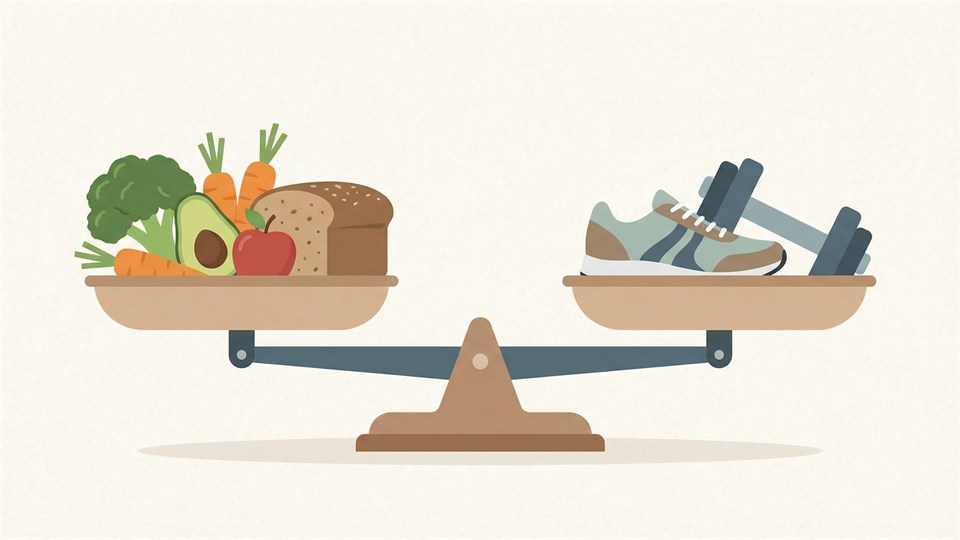
The most important thing when it comes to weight loss is understanding calorie balance. The body burns energy (calories) all the time – both when you sleep, work, and move. You get energy in through food and drink. If you consume more calories than you burn, you gain weight. If you consume fewer calories than you burn, you lose weight. This is called a calorie deficit.
Example: If your body needs about 2,000 calories a day to maintain your weight, but you eat 1,700 calories daily, you will lose weight over time because your body gets the rest of the energy from your fat stores.
A deficit of 500 calories a day gives approximately a weight loss of 0.5 kg per week. That may not sound like much, but it is a healthy and sustainable rate. Larger deficits can make you tired, irritable, and can lead to muscle loss if not done correctly.
You can either eat fewer calories, increase your physical activity – or combine both. The most effective and sustainable method for most people is to make small changes in both diet and movement.
A typical pitfall when it comes to weight loss is overlooking how many calories you actually get through food and drink. Many people have difficulty estimating portion sizes or forget about "liquid calories" like soda, juice, or coffee with milk and sugar.
It doesn't have to be an extreme diet. Focus on making healthy choices more often and find alternatives you can stick with in the long run.
Exercise increases your energy expenditure and has a range of other health benefits. You don't necessarily have to run marathons or train hard every day. Small changes make a difference:
Everything counts, and the most important thing is to find forms of movement you like, so it becomes a natural part of your everyday life.

Most people find that weight loss can be hard to stick to. Here are some of the most common challenges – and how to handle them:
It's normal to feel hungrier when you eat less than you are used to. Try to choose foods with a lot of volume and few calories – for example, vegetables, lean meat, and whole grains. Also, drink water before meals to take the edge off your hunger. Healthy snacks like carrots or skyr can help with cravings.
Weight rarely drops evenly week after week. Water retention, hormonal fluctuations, and other factors can cause your weight to plateau for periods. Focus on good habits, and consider measuring your waist or taking pictures to track your progress instead of only looking at the scale.
Birthdays, parties, and restaurant visits can make it harder to stick to your new habits. Choose smaller portions, eat slowly, and enjoy the food – and continue your healthy routines afterwards. One meal won't ruin your weight loss.
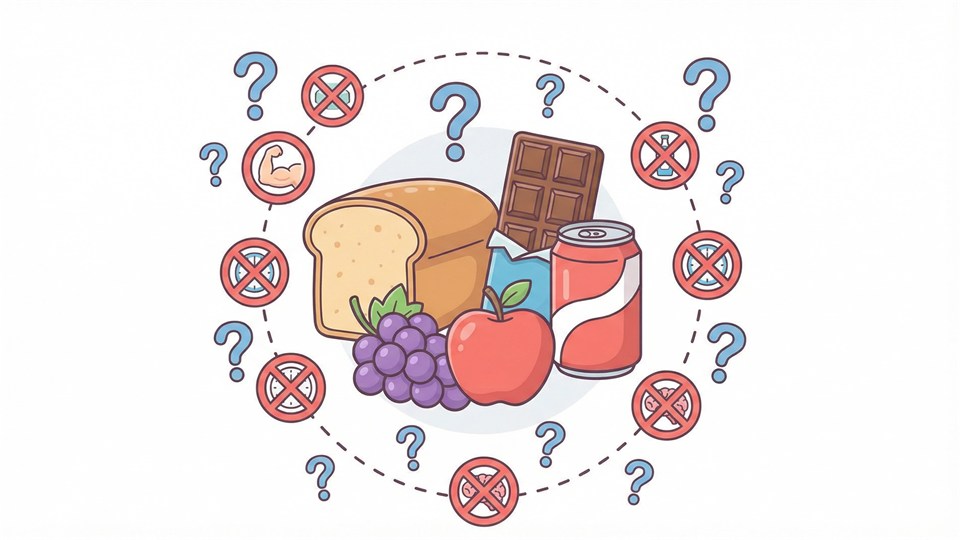
There are many myths about weight loss. Here are some of the most persistent ones debunked:
Focus on the big picture and avoid extreme solutions – they rarely last in the long run.
If you find it difficult to lose weight on your own, or if you have health problems that require special consideration, it may be a good idea to talk to a doctor or dietitian. They can help you make a plan that takes your needs into account and give you support along the way.
Losing weight is about creating a calorie deficit – either through diet, exercise, or a combination. Long-term weight loss requires patience, healthy routines, and realistic goals. Forget quick fixes and extreme diets – small, sustainable changes are the way forward. With understanding and the right strategies, anyone can learn to lose weight in a healthy way.