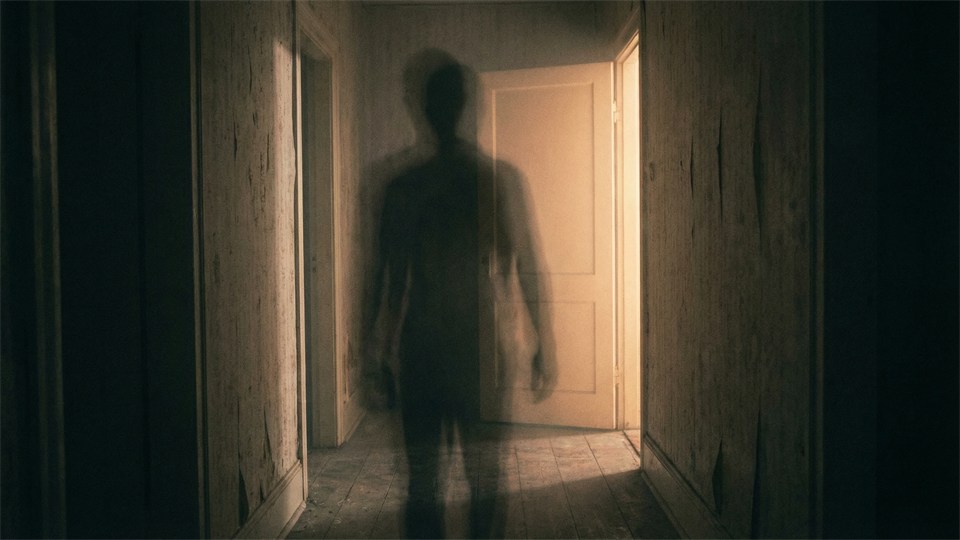


Have you ever experienced chills for no reason, seen a shadow out of the corner of your eye, or felt an inexplicable atmosphere in a room? Paranormal phenomena have fascinated people around the world for decades. They have become a popular topic of conversation, not only in films and books, but also in everyday life, where more and more people share their own mysterious experiences. But what does the term actually cover, and what does science say?
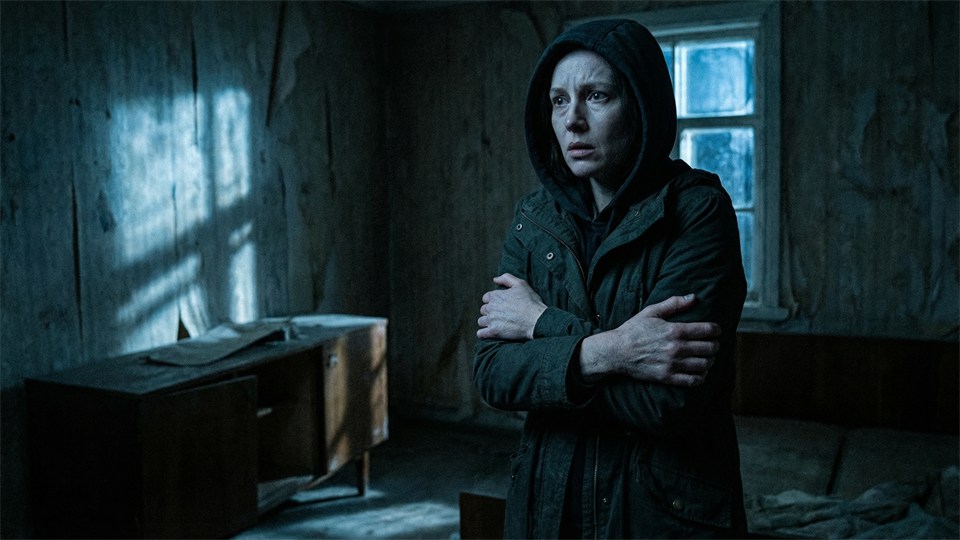
Paranormal phenomena are experiences, events, or observations that cannot immediately be explained by known scientific principles. This can be anything from inexplicable sounds and movements to feelings of being watched or seeing ghosts and shadows. Some of the most commonly reported phenomena include:
Although many people experience such events, it is important to emphasize that paranormal simply means "outside the normal" – it is not the same as "supernatural." Many phenomena have later received natural explanations, but the gray area between the inexplicable and the scientific makes the subject particularly exciting.
Chills are perhaps the most widespread sign of a possible paranormal experience. Many people report a sudden shiver down the spine, goosebumps, or a feeling that the temperature drops drastically, even though there is no physical explanation. This can happen when entering a certain room, approaching an old house, or being in places with a special history. Some claim that chills are a sign that "someone is present," while others believe it is simply the body's reaction to fear or excitement.
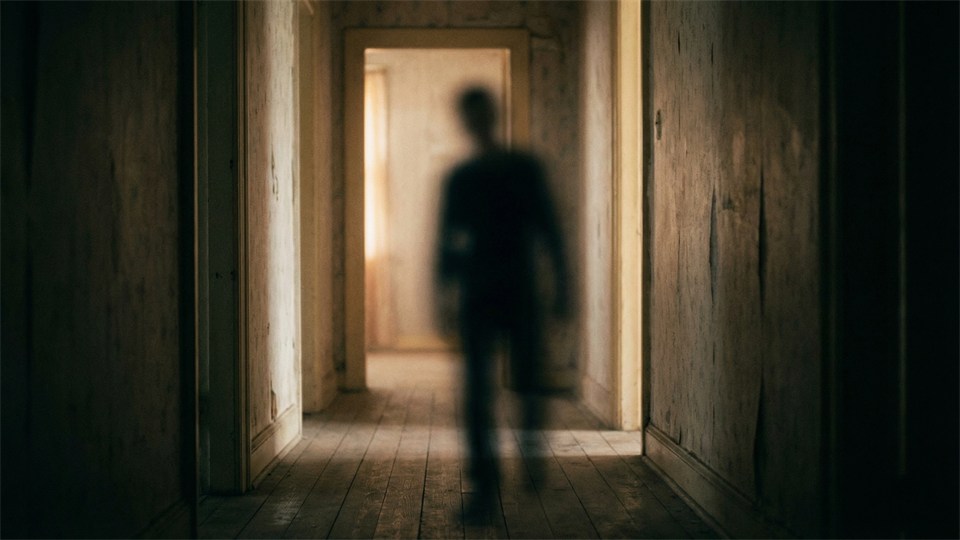
Scientifically, chills can be caused by the body's "fight or flight" response, where adrenaline is released in unexpected or uncomfortable situations. The brain interprets signals from the surroundings and the body reacts automatically, often without us consciously noticing it. Nevertheless, the experience is often interpreted as something supernatural, especially if it occurs in atmospheric surroundings.
Seeing shadows, especially out of the corner of the eye, is a frequently reported phenomenon. Some describe the experience as "shadow people" – dark, human-like figures that quickly disappear when you look directly at them. These visions often occur when one is alone, at dusk, or during light sleep (e.g., during sleep paralysis).
There are several possible explanations for why we see shadows:
For people who experience this frequently, however, it can feel very real – especially if it is accompanied by other phenomena such as chills or unexpected sounds.
Another classic within the paranormal is inexplicable sounds: footsteps in the attic, knocking on the wall, doors creaking, or even voices. These phenomena often occur late at night, when the house is quiet and one is more attentive to the sounds of the surroundings.
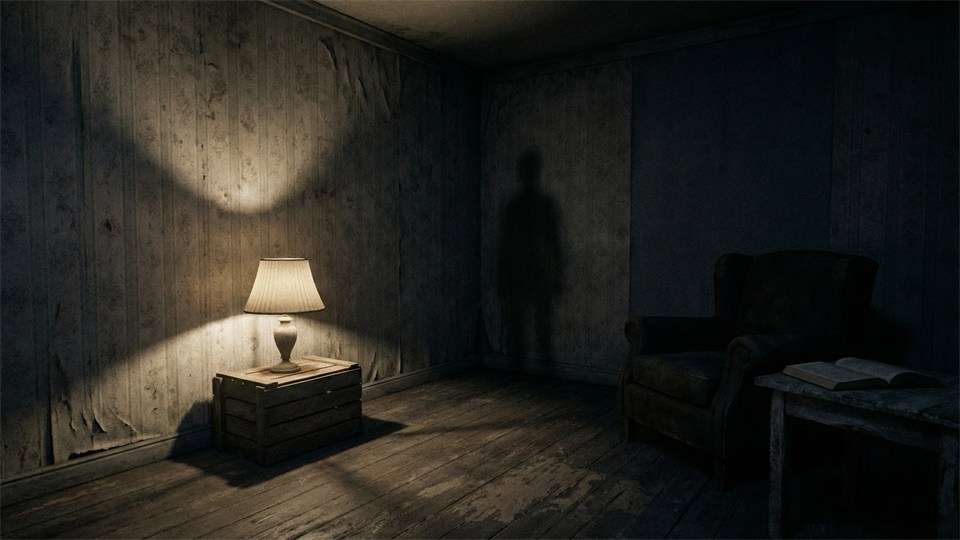
Science points here to several natural explanations. Houses "work" when they heat up or cool down, which can cause creaking sounds. Water pipes, wind, or animals like mice and birds can also create sounds that seem mysterious. Nevertheless, many people experience sounds they cannot immediately explain, and it is precisely this uncertainty that creates the fascination.
Although many phenomena can be explained, there are countless personal accounts where people are convinced that they have experienced something paranormal. This can be anything from waking up in the middle of the night with the feeling of being watched, to finding objects moved without explanation or hearing voices even though no one else is present.
Often, the history of the surroundings plays a major role. Old buildings, castles, hospitals, or places with tragic events are often associated with paranormal experiences. Perhaps because we expect something strange to happen, or because the atmosphere itself affects our senses and interpretations. Psychologically, expectations and previous stories can make us more aware of certain sensory impressions – a kind of self-fulfilling prophecy.
Films, TV series, and books have for decades exploited the fascination with the paranormal. Everything from haunted houses to shadow people and inexplicable events are part of popular stories. Shows with "ghost hunters" visit abandoned buildings and use equipment such as EMF meters, infrared cameras, and audio recorders in an attempt to document phenomena.
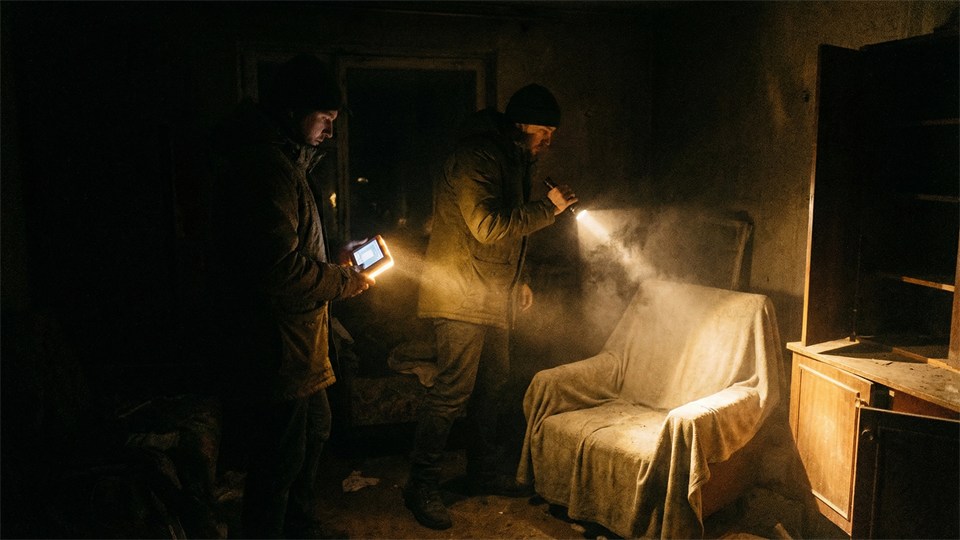
Although many of these shows dramatize the experiences, they have contributed to more people daring to share their own stories. Many hobby investigators go out themselves to investigate places in search of answers – often inspired by what they have seen in the media.
Most researchers believe that paranormal experiences can usually be explained by psychology, biology, or physical conditions. The brain is good at finding patterns and meanings, even where there are none, and our senses can easily be fooled by darkness, fatigue, or atmospheric surroundings.
However, there is still research into certain phenomena, especially because they are so widespread. For example, sleep paralysis – where you wake up but cannot move and experience "beings" in the room – has fascinated both doctors and psychologists. Here, the brain briefly mixes dream and waking states, which can feel very real.
At the same time, there are still accounts that cannot immediately be explained, and therefore the paranormal remains an open and debated field.
If you want to explore the paranormal, there are several ways to approach it – both skeptically and openly:
Most important is to maintain an open but critical approach. The fascination with the paranormal lies precisely in the balance between curiosity and healthy doubt.
Paranormal phenomena will probably always fascinate and divide people between skeptics and believers. Whether the experience has a natural explanation or not, it sparks thoughts about what we actually know about the world. Perhaps it is precisely this mix of mystery, fear, and curiosity that makes the subject so eternally relevant.
Next time you feel chills or see a shadow move, remember: Maybe it's just your brain playing tricks on you – or maybe you're experiencing a glimpse of the inexplicable.