Drones have become a familiar sight in the skies all over the world. Today, they are used by both private individuals and professionals for everything from play and photography to complex tasks within the business sector. But what exactly is a drone, and why has this technology gained such significance in such a short time? In this article, you’ll get an easy-to-understand introduction to the world of drones, how they work, and the many ways they are already being used today.
What is a drone?
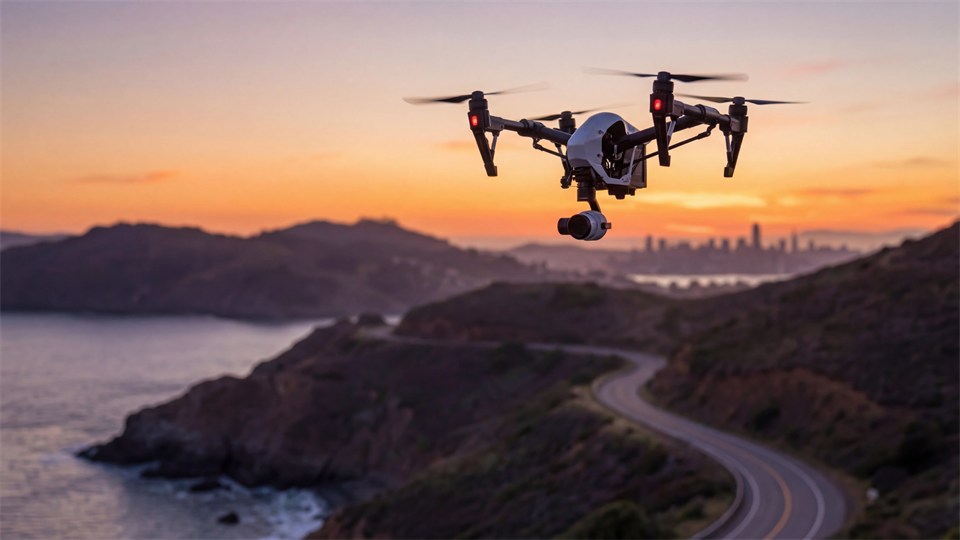
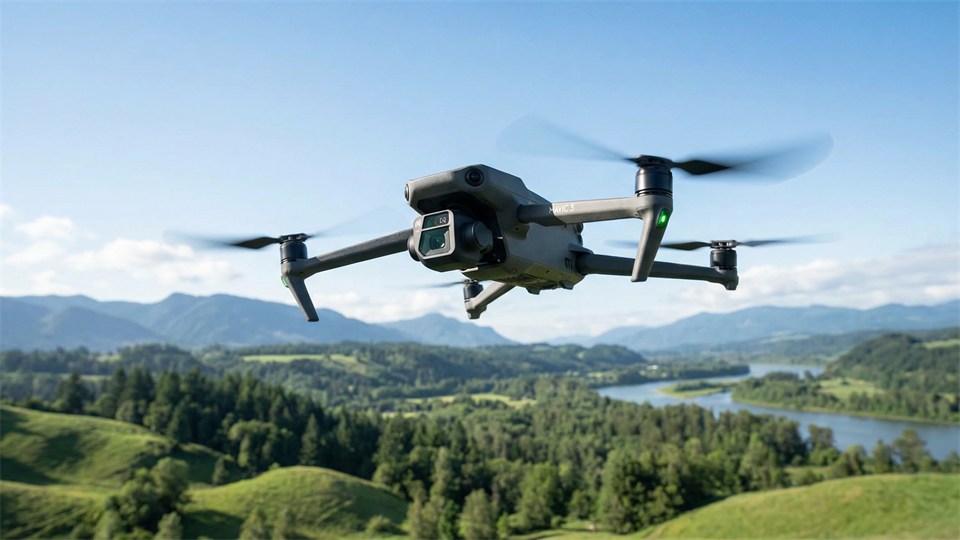
A drone, also known as a UAV (Unmanned Aerial Vehicle), is an aircraft that can fly without a pilot onboard. Instead, the drone is either controlled remotely via remote control or flies along pre-programmed routes using built-in sensors and GPS. Drones come in many sizes – from small quadcopters that can be carried by hand to large, advanced machines that can transport heavy loads or monitor large areas.
The most common drones are multirotor drones, often with four propellers (quadcopters), but there are also drones with six or eight propellers, as well as airplane-like drones for longer distances. They are typically equipped with a camera, GPS, gyroscopes, and advanced software that helps stabilize and control the flight.
How are drones used today?
In just a few years, drones have found their way into many industries. Here are some of the most widespread uses:
- Photography and film: Many people know drones from impressive aerial photos and film recordings. Drones provide access to angles that previously required expensive helicopters or cranes.
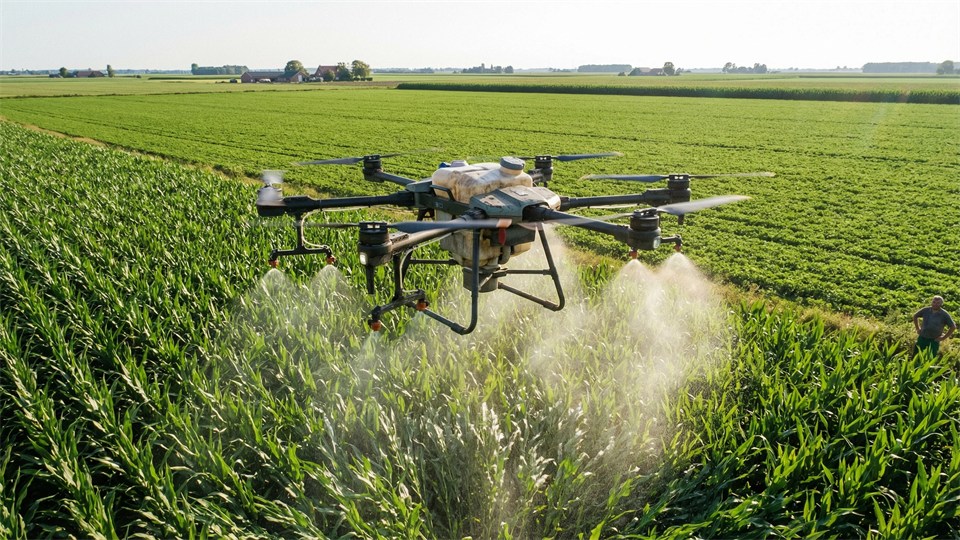
- Agriculture: Farmers use drones to monitor fields, analyze crop health, and even for precise spraying of fertilizer or pesticides.
- Rescue and emergency aid: Drones can quickly cover large areas and are used to search for missing persons or deliver medicine to hard-to-reach places.
- Inspections: Drones inspect bridges, wind turbines, high-voltage power lines, and roofs, where it can be dangerous or difficult for people to reach.
- Package delivery: Several companies are experimenting with delivering packages via drones – both in urban areas and in the countryside.
- Research and environmental monitoring: Drones are used by researchers to observe wildlife, track climate change, and collect data in hard-to-reach places.
The list is constantly growing as the technology develops and becomes more accessible.
Advantages of drones
Drones have several advantages that make them attractive in many contexts:
- Access to hard-to-reach places: Drones can fly over mountains, forests, lakes, and cities without being dependent on roads or paths.
- Cost-effective: It is often cheaper to use a drone than to send a helicopter crew or build scaffolding.
- Safety: Drones can perform tasks in dangerous environments, such as near high-voltage power lines or in crisis areas, without exposing people to risk.
- Precision: Modern drones can fly very precisely, repeat routes, and collect detailed data.
- Flexibility: Drones can quickly be reprogrammed or equipped with new gear for different tasks.
These advantages mean that drones can often perform tasks that were previously impossible, too expensive, or too risky.
Challenges and limitations
Although drones have many advantages, there are also challenges and limitations to be aware of:
- Battery life: Most smaller drones can only fly for 20-30 minutes on a single charge, which limits their range and usefulness.
- Legislation: There are often strict rules about where and how you may fly drones – especially near airports, densely populated areas, or over private property.
- Privacy: Drones with cameras can raise concerns about privacy if they fly over people's gardens or homes.
- Weather conditions: Drones are sensitive to wind, rain, and cold, which can affect safety and image quality.
- Technical failures: Like all other electronics, drones can fail, lose signal, or crash.
It is important to familiarize yourself with the applicable rules and consider safety and ethics before sending a drone into the air.
Real-world examples
To illustrate the versatility of drones, here are a few concrete examples:
- The film industry: Major film productions use drones to capture dynamic action scenes, nature shots, and cityscapes from the air. This has made aerial footage accessible even for smaller film companies.
- Rescue operations: In connection with floods in several countries, aid organizations have used drones to quickly get an overview of disaster areas and find survivors.
- Infrastructure inspection: Energy companies use drones to inspect kilometers of power lines, which both saves time and increases safety for employees.
- Agricultural monitoring: Large farms use drones to map fields, measure moisture, and identify diseases in crops – all to optimize yield and reduce waste.
- Package drones: In several places, delivery of medicine, blood samples, and small packages by drone is being tested, especially in areas with poor infrastructure or during natural disasters.
Drones for beginners
If you are considering investing in a drone yourself, there are a few things that are good to know:
- Start with a smaller model: Small hobby drones are cheaper and easier to control for beginners. They make it possible to practice without a high risk of damage.
- Learn the rules: Familiarize yourself with local laws and guidelines for drone flying. Many countries require registration and permits for certain types of drones.
- Practice safely: Find open areas where you can fly without disturbing others or risking accidents.
- Check the equipment: Get to know your drone’s features, including safety functions such as return-to-home on low battery or lost signal.
- Respect privacy: Never use your drone to monitor neighbors or take pictures where people expect privacy.
Flying a drone can be both fun and educational – and opens up new ways to experience the world.
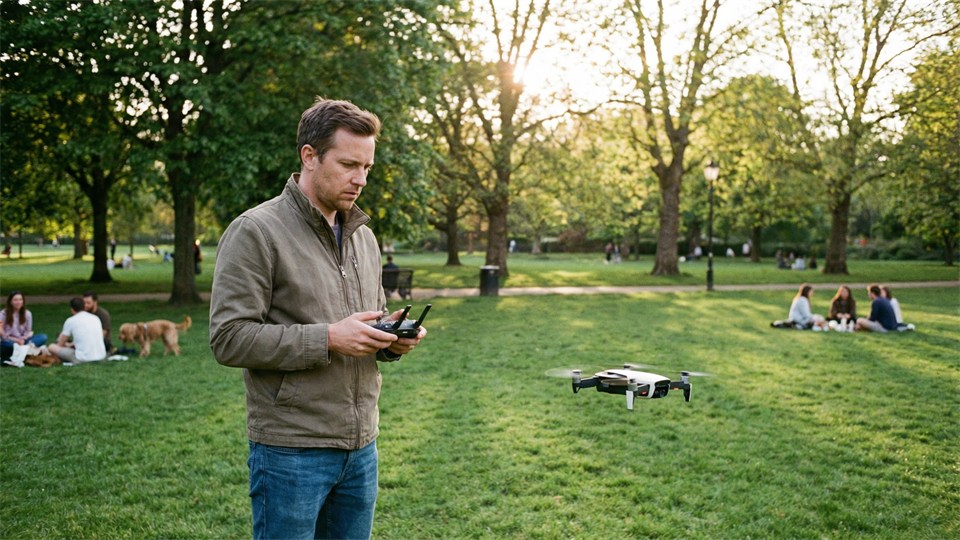
The development of drone technology
Drones have developed rapidly in recent years. Previously, they were reserved for the military and research, but today the technology has become both cheaper and easier to use. Modern drones have advanced sensors such as GPS, 3D cameras, and infrared cameras, enabling them to navigate precisely and avoid obstacles automatically.
The development points toward even more autonomous drones that can collaborate in swarms, solve complex tasks, and increasingly think and react independently via artificial intelligence. At the same time, work is being done to increase battery life, improve safety, and make drones quieter so they can be used in cities without disturbing the surroundings.
Future possibilities
In the future, drones are expected to play a larger role in our everyday lives. Imagine intelligent drones delivering medicine to the elderly, monitoring forests for fires, or helping with rapid transport of goods through city airspace. Drones may also become important for traffic management, environmental protection, and infrastructure monitoring.
At the same time, new challenges will arise – including airspace control, data security, and ethical questions. But one thing is certain: Drones will continue to develop and expand our possibilities.
Conclusion
Drones are one of the most exciting technologies of recent times. They make it possible to see the world from new angles, solve tasks faster and more efficiently, and open up innovation in many industries. With respect for rules and ethics, drones can be both safe, fun, and valuable tools for both private individuals and professionals.