

When you use the internet, you leave traces everywhere – but did you know that your computer or mobile always has a kind of 'digital address'? This address is called an IP address, and it is necessary for you to surf the web, send emails, or stream videos. But what does IP address actually mean, and why is it so important?

IP stands for Internet Protocol. It is a set of rules that determines how data is sent from one device to another over the internet. An IP address is a unique identification number that each device is assigned so it can communicate with other devices.
There are two main types of IP addresses:
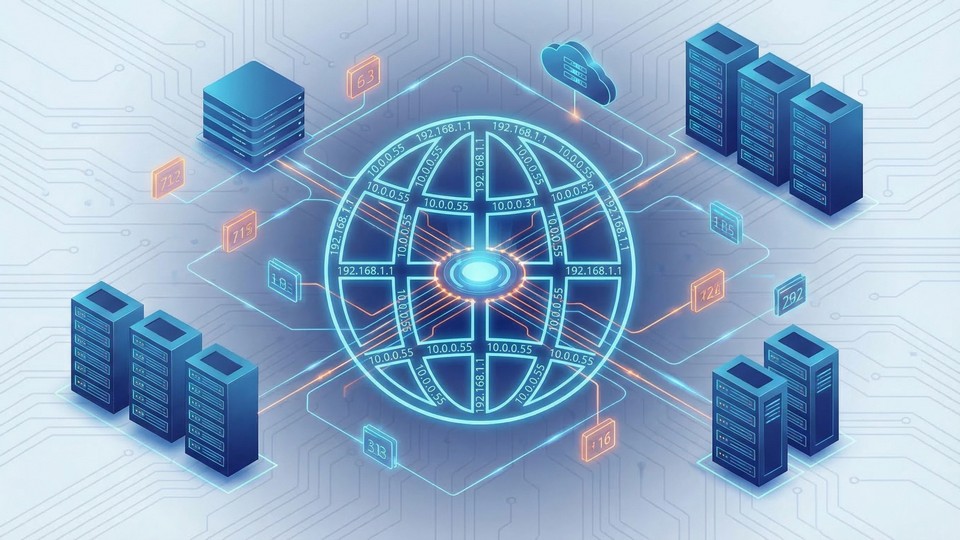
192.168.1.1. Each number can be between 0 and 255.2001:0db8:85a3:0000:0000:8a2e:0370:7334. IPv6 was created because we are running out of IPv4 addresses.An IP address works like a home address, but on the internet. When you visit a website, your computer sends a request to the web server's IP address. The web server sends the response back to your IP address so you can see the page. Without IP addresses, the internet wouldn't know where data should be sent – or where the response should go back to.
www.kgm.dk in your browser.www.kgm.dk (this happens via DNS, which is the internet's "phone book").There are two types of IP addresses:
Your router assigns private IP addresses to your devices and ensures that traffic is sent out to the internet via the public IP address.

An IP address can either be static (fixed) or dynamic (changing):
It is your internet provider (ISP) that gives you a public IP address. Private addresses are assigned by your router via a technology called DHCP. Globally, IP addresses are managed by organizations such as IANA and RIPE NCC.
An IP address does not directly say who you are, but it can often be used to find out which provider and which geographic area you are in. Therefore, IP addresses are used for everything from troubleshooting and network monitoring to targeted advertising and, in some cases, prosecution.
An IP address is the very foundation for communication on the internet. Without IP addresses, it would not be possible to send and receive data between computers and servers. Understanding IP addresses not only helps you understand how the internet is structured, but also makes you more aware of your digital footprint and online security.