

DA | EN | DE | FR | ES

Brewing with a Coffee Maker Get the Best Coffee from Your Coffee Maker

mad og drikke Kaffe
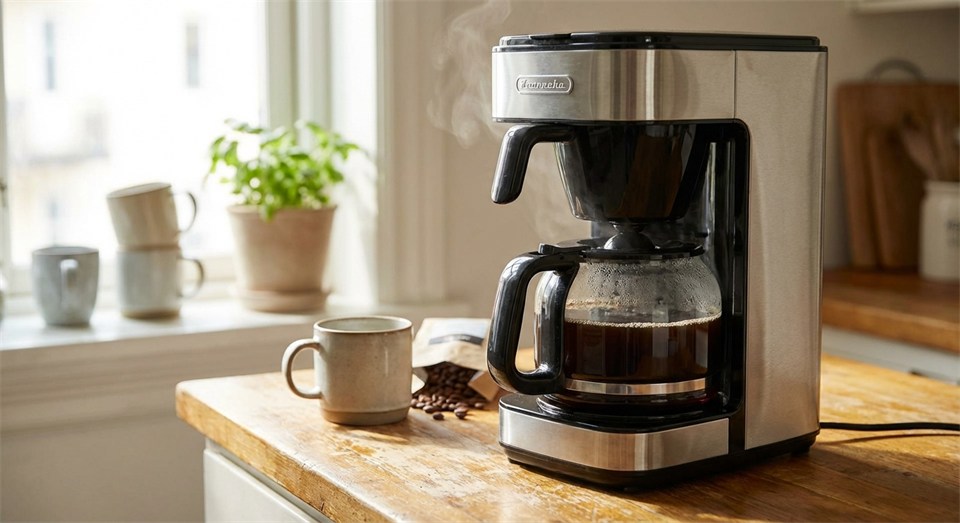
Brewing with a Coffee Maker Title Image

Introduction: The Coffee Maker – Easy Coffee with Great Taste

The coffee maker is one of the most widespread tools for brewing coffee in homes and workplaces around the world. It makes it easy to brew several cups of coffee at once, and with just a few simple steps, you can get a tasty cup of coffee – every time. However, many people find that the coffee from their machine either becomes too bitter, too weak, or loses its aroma. In this guide, you’ll get a thorough insight into how to best use your coffee maker, which choices matter most for flavor, and how to avoid the most common mistakes. Whether you are brand new or have used a coffee maker for years, you’ll find tips and tricks to elevate your coffee experience to new heights.

Which Coffee Maker Should You Choose?

There is a wealth of coffee makers on the market, ranging from simple models with one button to advanced machines with built-in timers, warming plates, and water filters. The most common are filter coffee makers, which brew coffee by letting hot water run through ground coffee in a filter. Here are the most important considerations when choosing a machine:

  • Capacity: How many cups will you typically brew at a time? Choose a machine that matches your needs – most can brew between 4 and 12 cups per batch.
  • Timer and automation: Some machines can be programmed to start at a specific time, so the coffee is ready when you get up.
  • Water filter: A built-in water filter can improve the taste, especially if you have hard water.
  • Keep warm function: Machines with a warming plate keep the coffee warm, but be aware that the taste can change over time.

No matter which model you choose, the basic principle is the same: Water is heated and slowly runs through the coffee grounds, extracting the good flavors.

Choosing Coffee – Bean, Grind Size, and Freshness

The taste of your coffee depends largely on the type of coffee you use. Filter coffee makers work best with medium or dark roasted coffee beans, ground for filter brewing. Here’s what to look out for:

  • Coffee type: Preferably choose whole beans and grind them yourself just before brewing for optimal freshness. Alternatively, you can buy pre-ground filter coffee.
  • Grind size: Too coarsely ground coffee can give a weak cup, while too finely ground coffee can lead to over-extraction and bitterness. A medium-fine grind is ideal for filter coffee makers.
  • Freshness: Coffee quickly loses aroma after grinding, so always store coffee in an airtight container and use it within a few weeks of opening.

Feel free to experiment with different beans and roasts to find your personal favorite.
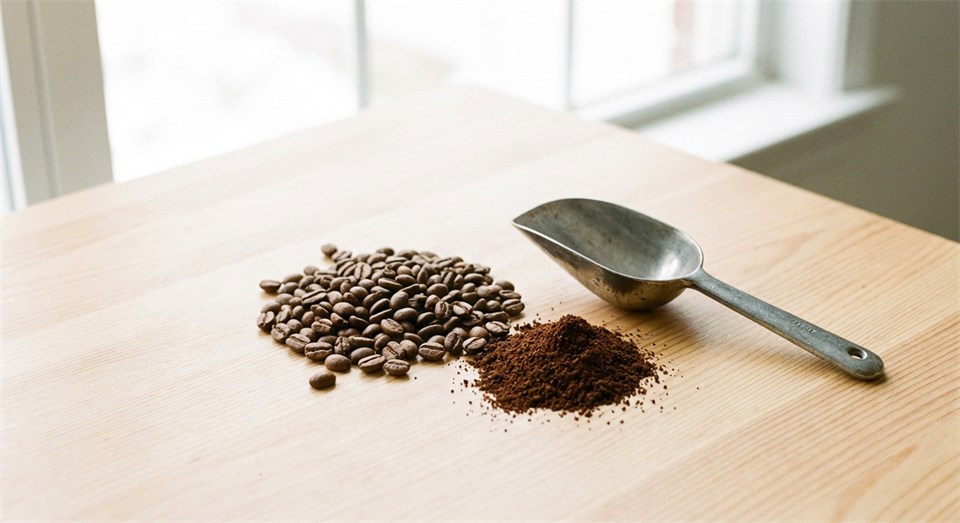
Coffee beans, ground coffee, and a measuring spoon on a bright table

The Water – The Overlooked Element

Water makes up more than 98% of your cup of coffee, so the quality of the water has a huge impact on the taste. Always use fresh, cold water – preferably filtered if your tap water is very hard or has a strong aftertaste:

  • Cold and fresh: Always fill the machine with cold water directly from the tap or a filtered jug.
  • Avoid reboiled water: Do not use water that has been sitting in the machine or kettle overnight, as it can give a flat taste.
  • Water amount: Follow the machine’s measuring scale, and use the appropriate amount of water relative to coffee, so the strength is as you want it.

If you are unsure about the quality of your water, a simple table filter can make a significant difference.

How to Dose Coffee and Water

The right dosing is crucial for a balanced and tasty coffee. The standard recommendation is about 60 grams of coffee per liter of water (equivalent to 7-8 grams or one measuring spoon per cup of 1.25 dl). Here is an example of dosing:

  • 6 cups of coffee (approx. 0.75 liters): 45 grams of coffee (approx. 6 measuring spoons)
  • 12 cups of coffee (approx. 1.5 liters): 90 grams of coffee (approx. 12 measuring spoons)

Adjust the dosing to your taste – if you want a stronger cup, use a little more coffee, and vice versa. Remember, too little coffee gives a flat and sour taste, while too much coffee can make the coffee bitter and too concentrated.

Step-by-Step: How to Brew with a Coffee Maker

1. Prepare the Machine

Start by making sure the machine is clean and all parts are assembled correctly. Place a new paper filter in the filter holder – optionally rinse it with a little water to avoid a paper taste in the coffee. Check that the water reservoir is empty of old water.

2. Add Coffee and Water

Pour the desired amount of ground coffee into the filter and then fill the water reservoir with fresh, cold water. Use the machine’s measuring scale or a kitchen scale for precision.

3. Start Brewing

Turn on the machine and let it finish brewing. The whole process typically takes 5-10 minutes depending on the machine’s capacity. Avoid removing the pot during brewing, as it can affect extraction and give uneven strength.

4. Serve and Enjoy

Serve the coffee immediately after brewing for the best taste. Coffee that sits on the warming plate for a long time quickly loses aroma and becomes bitter. Pour any excess coffee into a thermos to keep it warm without ruining the taste.
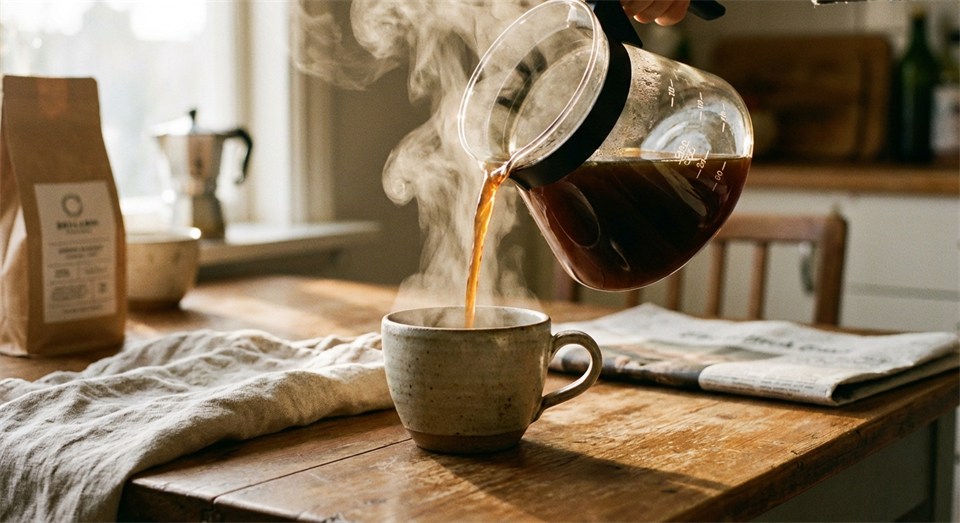
Freshly brewed coffee being poured into a simple ceramic cup on the kitchen counter

Troubleshooting: When the Coffee Doesn’t Taste as You Want

Even with a good coffee maker, the result can vary. Here are the most common problems – and how to solve them:

  • The coffee is bitter: Check if you are using too finely ground coffee, too much coffee, or leaving the coffee on the warming plate for too long. Try a coarser grind and/or a shorter time on the warming plate.
  • The coffee is weak or sour: This is often due to too little coffee, too coarsely ground coffee, or too short brewing time. Use more coffee and/or a finer grind.
  • The coffee tastes of paper: Rinse the filter with a little water before use, or try another brand of filter paper.
  • The coffee has an aftertaste of water or machine: Clean the machine thoroughly and use fresh water. Descale the machine regularly.

Experiment with dosing and grind size until you find the perfect balance for your taste.

Cleaning and Maintenance

A clean machine is the key to good coffee. Old coffee oils and limescale can quickly build up and affect both taste and the machine’s lifespan. Follow these simple tips:

  • Daily cleaning: Empty and rinse the pot, filter holder, and filter every time you have brewed coffee.
  • Weekly cleaning: Wash the pot and filter holder in hot water with a little dish soap.
  • Descaling: Descale the machine about every 1-2 months (depending on water hardness) with a mixture of vinegar and water or a descaling agent. Always follow the manufacturer’s instructions.

Regular cleaning not only ensures better taste but also extends the life of your machine.

Extra Tips for the Coffee Experience

  • Store coffee dry, dark, and airtight for maximum freshness.
  • Use a thermos to keep the coffee warm without it becoming bitter.
  • Optionally use preheated cups – it keeps the coffee warm longer.
  • Try different beans and blends to find your favorite.
  • Invite friends or family for a coffee tasting – it’s both cozy and educational.

With these simple adjustments, even an ordinary coffee maker can deliver an amazingly good cup of coffee.

Conclusion: Get the Best Out of Your Coffee Maker

Brewing with a coffee maker is both easy and practical, and with a little extra attention to your choice of coffee, water, and machine maintenance, you can achieve coffee experiences that rival much more expensive brewing methods. Remember to experiment with dosing, grind size, and type of coffee, and always keep the machine clean. That way, you’re guaranteed a tasty cup of coffee – every single day. Enjoy your brewing!



Similar articles

Introduction to Coffee
Kaffe
Introduction to Coffee
From Fruit to Brewed Cup
Decaf Coffee
Kaffe
Decaf Coffee
A Guide to Decaf Coffee
Coffee Roasting: A Guide
Kaffe
Coffee Roasting: A Guide
How roasting transforms raw beans into aromatic coffee
Brewing Espresso at Home
Kaffe
Brewing Espresso at Home
A Comprehensive Beginner's Guide to Real Espresso

You might also like

Astrology
Astrologi
Astrology
A Window to the Universe
World History According to KGM.DK
Verdenshistorie
World History According to KGM.DK
From the Big Bang to Covid
Rosé Wine
Øl og Vin
Rosé Wine
Rosé Wine: From Summer Drink to Serious Wine Experience
USB Sticks
Hardware
USB Sticks
From Type-A to USB-C and Everything In Between