

For many years, fat has had a reputation as something to avoid if you want to live healthily. But the truth is that fat is an indispensable part of our diet and plays many important roles in the body. In this article, you will get a thorough, easy-to-understand introduction to what fat actually is, why we need it, what types exist, and how to choose the healthiest fat sources.
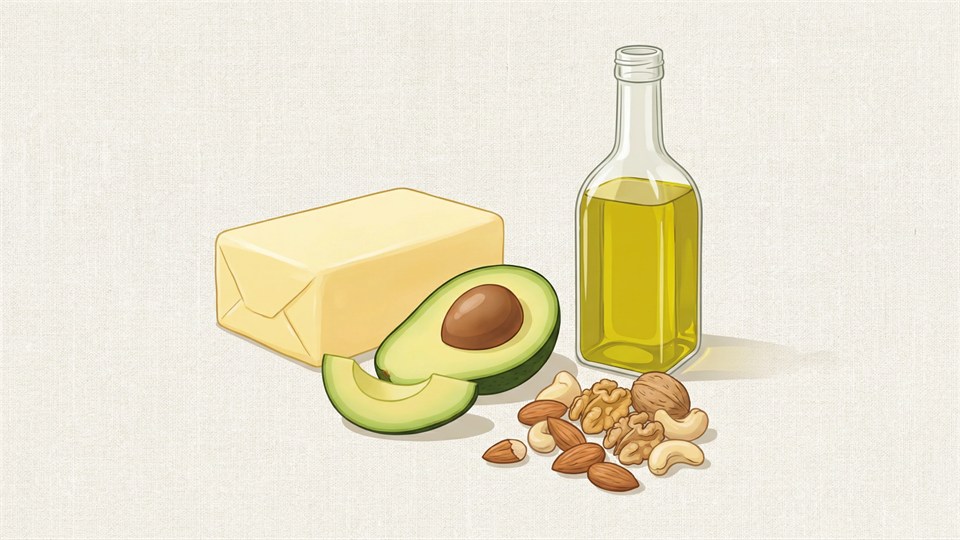
Fat, also called lipids, is one of the three main nutrients in the diet along with protein and carbohydrates. In its chemical form, fat consists of carbon, hydrogen, and oxygen atoms joined together in chains. Fats are found in both animal and plant foods and appear as solids (e.g., butter) or liquids (e.g., olive oil) depending on their structure.
Fat is very energy-rich. 1 gram of fat contains about 9 kilocalories (kcal), which is more than twice as much as protein and carbohydrates, each of which contains 4 kcal per gram. Therefore, fat is important as an energy source, especially if you have a high energy requirement.
Fat is not just fuel. It has many vital functions:
It is therefore not possible to live healthily without fat – but it is important to choose the right kinds of fat.
Fats in the diet can be divided into three main types: saturated, unsaturated, and trans fatty acids. They have different chemical structures and affect the body in different ways.
Saturated fat is found especially in animal products such as butter, cheese, cream, meat, and fatty dairy products. It is also found in certain plant oils, e.g., coconut and palm oil. Saturated fat is typically solid at room temperature.
Many health organizations recommend limiting the intake of saturated fat because it can increase the amount of "bad" LDL cholesterol in the blood, which can increase the risk of cardiovascular disease. However, it is important to emphasize that not all saturated fat is equally harmful, and it also depends on the overall diet.
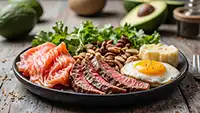
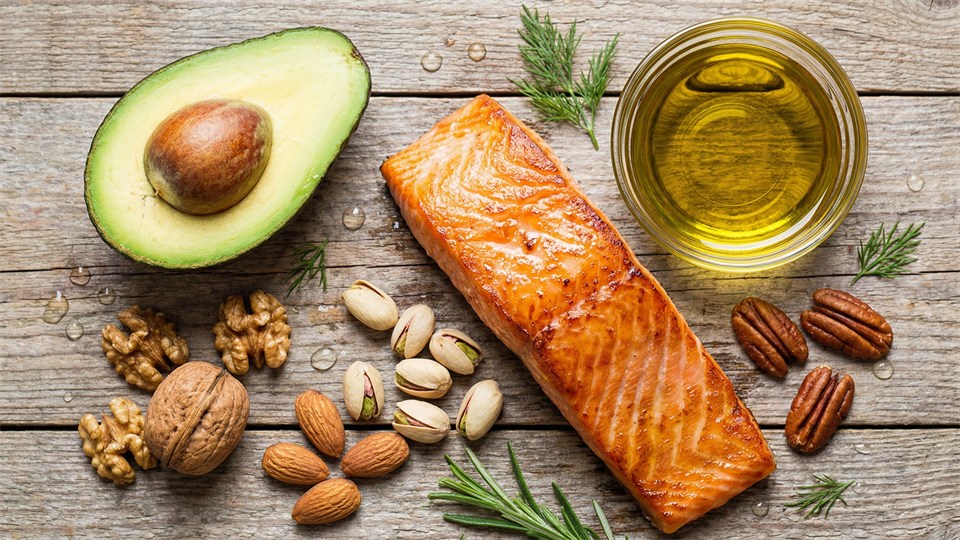
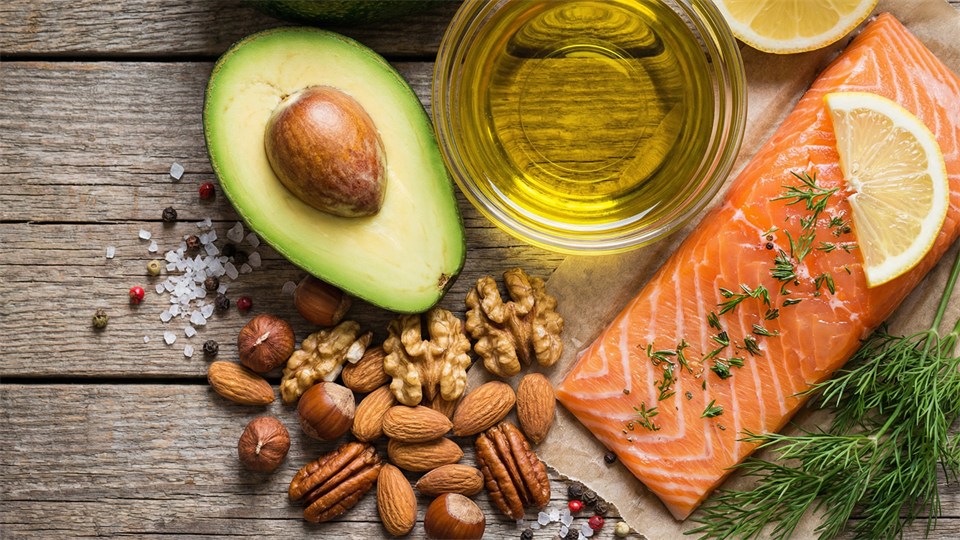
Unsaturated fat is divided into monounsaturated and polyunsaturated fatty acids. They are found especially in plant oils (olive oil, rapeseed oil), nuts, seeds, avocado, and fatty fish such as salmon, mackerel, and herring.
Unsaturated fatty acids are liquid at room temperature and should make up the majority of the fat we eat.
Trans fatty acids (trans fat) are found especially in industrially produced products such as cakes, biscuits, fast food, and certain margarines. Trans fat is formed when vegetable oil is partially hydrogenated. It is well documented that trans fat increases the risk of cardiovascular disease and should be avoided as much as possible. In many countries, trans fat has been restricted or banned in foods, but it can still be found in imported goods or older products.
There is no single answer, as the need depends on age, gender, activity level, and health. The Danish dietary guidelines recommend that 25-40% of total daily energy intake should come from fat, of which saturated fat should make up a maximum of 10%.
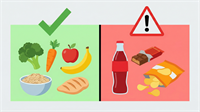
It is especially the quality of the fat that is important. Focus on getting most of your fat from unsaturated sources and limit your intake of saturated fat and trans fat. For example, you can choose plant oils, eat fatty fish a couple of times a week, and use nuts or avocado as a snack instead of chips and cakes.
Here are some simple tips for choosing healthier fat:
Small changes in everyday life make a big difference to your health in the long run. You do not have to avoid fat, but choose the sources that benefit your body the most.
Try to compose your diet so that you get the most of the healthy fats and the least of the unhealthy ones.
Since fat contains a lot of energy, a high fat intake can make it harder to maintain your weight if you consume more calories than you burn. But fat itself is not "dangerous" – it is about the balance between what you eat and how much you move.
However, it is important not to cut out all fat in an attempt to lose weight. The body needs fat to function optimally, and especially the unsaturated fatty acids are important for both physical and mental health.
Fat is an essential part of a healthy diet, but it is the type and amount that are crucial. Preferably choose fat from plant oils, nuts, seeds, and fatty fish, and limit your intake of saturated fat and trans fat. In this way, you can enjoy the many benefits of fat without increasing the risk of lifestyle diseases. Remember: Fat is not your enemy – it's about making wise choices.