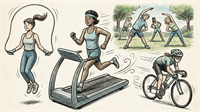


Do you dream of losing weight but are unsure which type of exercise is most effective? Many people search for the answer to how to most efficiently burn fat and achieve lasting weight loss. The answer is not a single program or one specific exercise – but a combination of different training methods and initiatives that together provide the best results. In this article, you’ll get an overview of the most effective training methods for weight loss, as well as concrete examples and tips to get started – whether you are a beginner or slightly experienced.
Many believe that weight loss is only about diet, but physical activity plays a crucial role. Exercise increases your energy expenditure, so you burn more calories. At the same time, exercise helps you maintain muscle mass, even when you are in a calorie deficit. This is important because muscles burn more energy than fat, even when you are resting. A combination of exercise and a healthy diet therefore gives the most lasting weight loss. In addition, physical activity has a positive effect on mood, energy, and overall health.
There are many ways to exercise, but not all forms are equally effective when the goal is weight loss. Below you’ll find a review of the best methods:
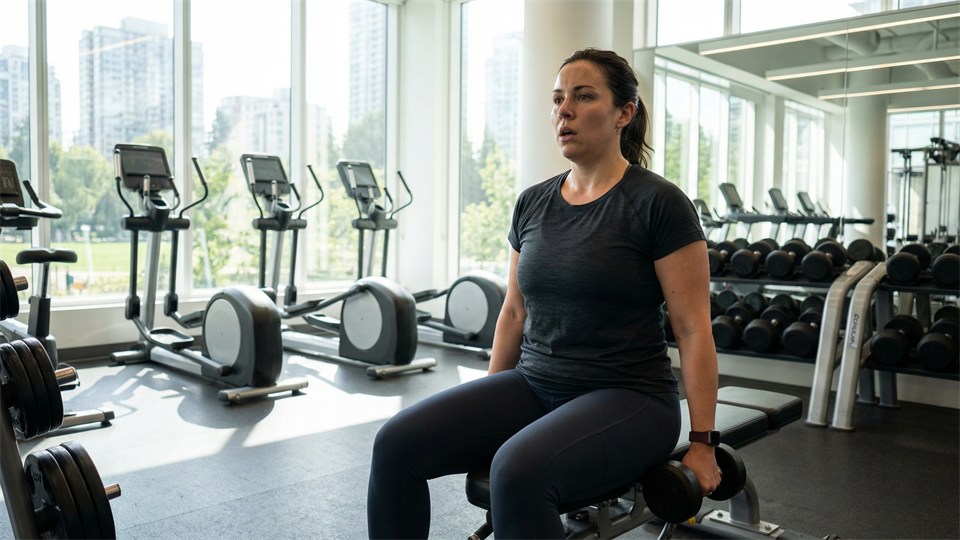
Strength training (e.g. weights, bodyweight exercises, or machines) is excellent for weight loss, even though it may not burn as many calories per minute as intensive cardio. Strength training helps you build and maintain muscle mass, which increases your resting metabolism. This means you burn more calories all day – not just during the workout itself. At the same time, strength training tones your body, so you get a more defined physique as the fat disappears. Examples of effective strength exercises for weight loss are squats, lunges, push-ups, deadlifts, and rows.
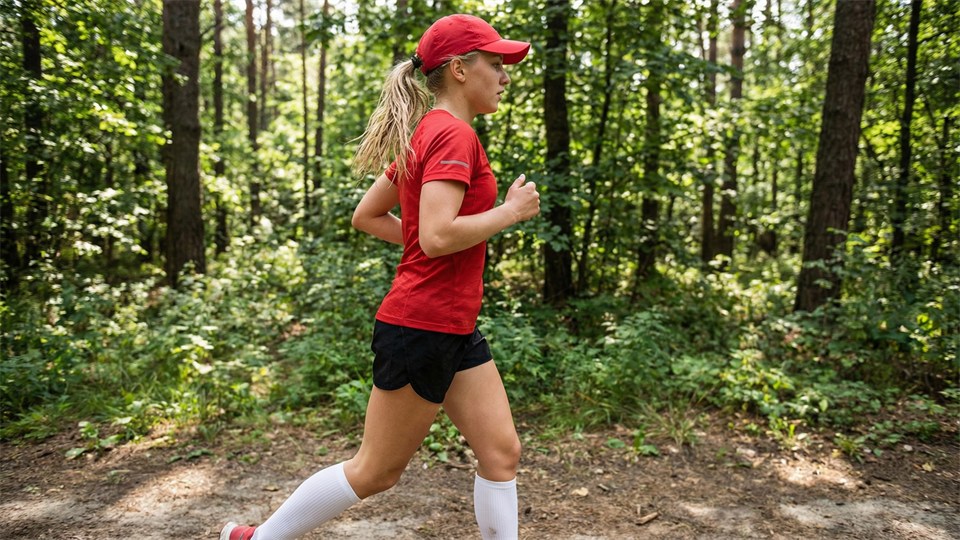
Cardio training – such as running, cycling, swimming, rowing, or dancing – is known for burning a lot of calories in a short time. The continuous movement boosts your metabolism and can help you achieve a calorie deficit if you also eat sensibly. Cardio also strengthens your heart and lungs, and can easily be adapted to all levels. For weight loss, 150-300 minutes of moderate intensity per week is often recommended – e.g. 30-60 minutes 5 days a week. Remember, the most important thing is to find a form you enjoy and can stick with.
Interval-based training – where you alternate between short, intense periods and easy breaks – is especially popular for weight loss. HIIT (High-Intensity Interval Training) is an effective method that can provide a high calorie burn in a short time. You work hard for 20-40 seconds, rest, and repeat. HIIT can be done with both cardio and strength exercises, and rarely requires more than 20-30 minutes per session. Studies show that HIIT gives an extra afterburn boost, so you burn more calories even after the workout is over.
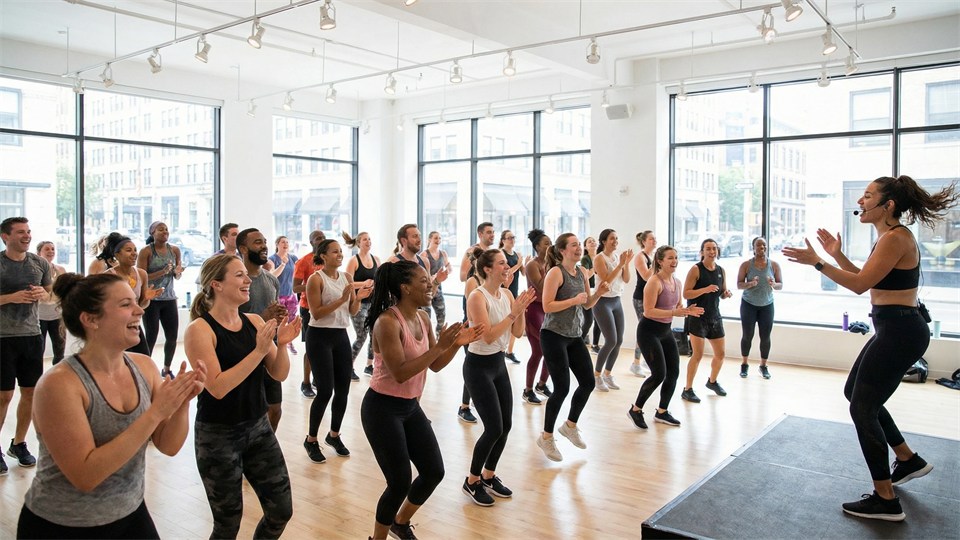
The best results are often achieved by combining strength and cardio training. For example, you can train strength 2-3 times a week and supplement with 2-3 sessions of cardio or HIIT. This provides both calorie burn and muscle building, which together are effective for fat loss. Some also choose "circuit training" – where you alternate between strength and cardio exercises without long breaks. This keeps your heart rate up and gives both strength and conditioning.
A simple weekly program for beginners could look like this:
Remember to warm up before training and stretch afterwards. Start slowly, and gradually increase intensity and duration. The most important thing is to find a routine that fits your everyday life and is sustainable for you.
Many start with great enthusiasm but lose motivation after a few weeks. Here are some tips to stay on track:
There are many myths circulating that can be confusing – here are the most important ones debunked:

Although this article focuses on exercise, weight loss cannot be achieved without attention to diet. Eat fewer calories than you burn, and choose nutrient-rich foods. At the same time, all movement counts: Take the stairs, walk or bike to work, stand at your desk, and take small movement breaks throughout the day. It all contributes to your total energy expenditure.
The best training for weight loss is the one you can stick with in the long term – and that combines strength, cardio, and variety. Choose exercises and activities that suit your level, and set realistic goals. Remember that diet and everyday activity are just as important as the training itself. With the right effort and patience, you can achieve healthy, lasting, and satisfying weight loss.