
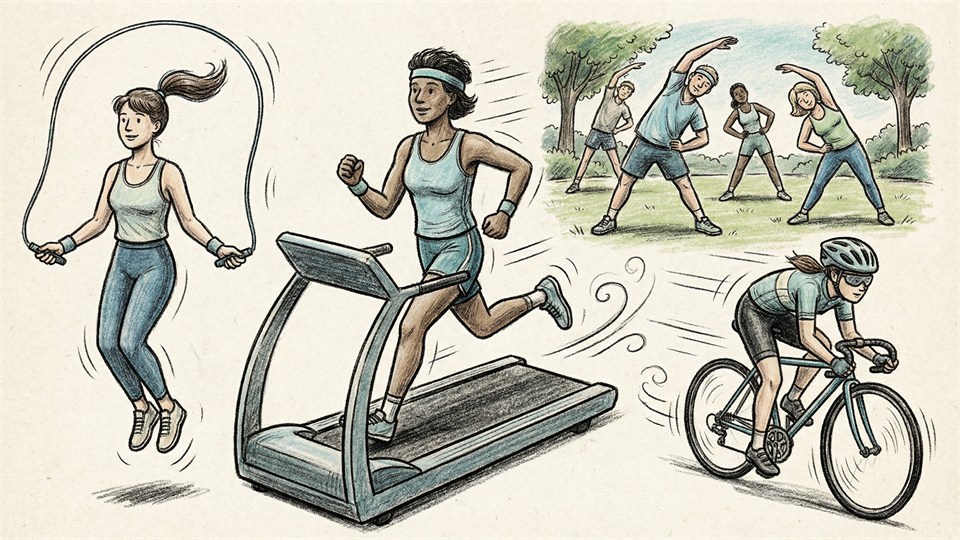


Aerobic training is a term you often encounter when talking about exercise and health. But what does it actually mean? And why is it so important for the body and your well-being? In this article, we go through what aerobic training is, how it affects the body, which types of exercise are aerobic, and how you can get started yourself — regardless of your current level.
The word "aerobic" comes from Greek and literally means "with oxygen." Aerobic training is therefore physical activity where the body uses oxygen to produce energy. When you do aerobic training, your muscles work over a longer period at moderate intensity, and your breathing and pulse increase. The body primarily burns carbohydrates and fat, and oxygen is absolutely essential for this process.
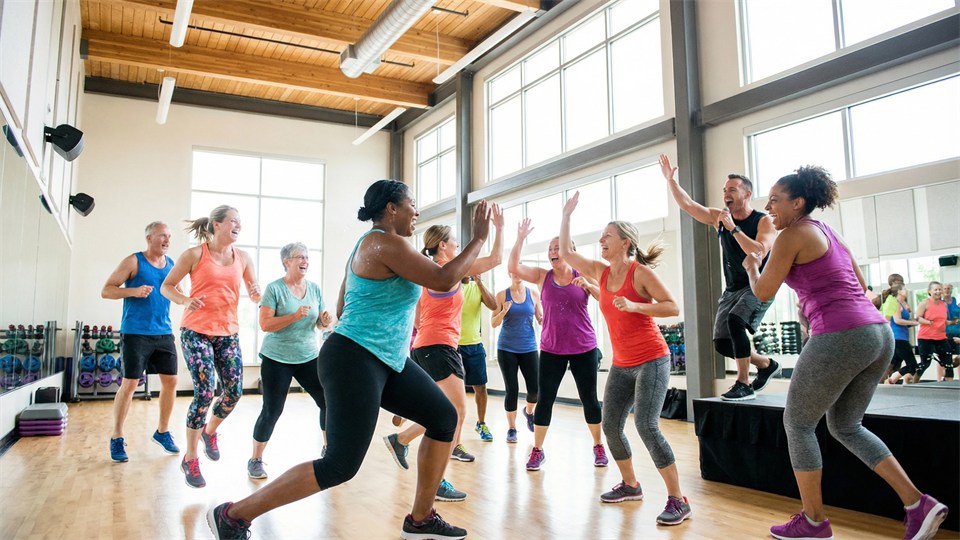
Examples of typical aerobic training are walking, running, cycling, swimming, dancing, rowing, and many types of group training such as aerobics or zumba. The key is that the activity can be performed for an extended period at a time without you becoming exhausted within a few minutes. Aerobic training differs from anaerobic training, where the body produces energy without oxygen – typically during short, very intense activities like sprinting or weightlifting.
When you move aerobically, your need for energy and oxygen increases. The heart beats faster to pump oxygen-rich blood out to the muscles, and your breathing becomes deeper to take in more oxygen. In the muscles, nutrients are burned using oxygen, resulting in energy for movement and the production of carbon dioxide and water as byproducts. This is a very efficient and gentle way for the body to work.
Over time, the body adapts to aerobic training. The lungs become better at absorbing oxygen, the heart becomes stronger and can pump more blood per beat, and the blood vessels become more elastic. The muscles develop more small blood vessels (capillaries), making it easier for them to absorb oxygen and nutrients. All this means that the body becomes more enduring and efficient, and you can handle more physical activity without getting tired quickly.
Aerobic training has a wide range of health benefits. Here are some of the most important:
Finally, many people find that everyday activities, such as taking the stairs, cycling to work, or playing with children, become easier as their fitness improves.

There are many ways to do aerobic training, and the most important thing is to find one or more activities you enjoy, so it becomes easier to stick with it. Here are some popular forms:
You can also combine several activities during the week to get variety and train different muscle groups.
To get the most out of aerobic training, the activity should last at least 10 minutes at a time, preferably longer. Health authorities recommend that adults are physically active at moderate to high intensity for at least 150 minutes per week. This corresponds to, for example, 30 minutes a day five times a week.
The intensity can be adjusted to your level. Moderate intensity means you get out of breath but can still hold a conversation. High intensity means you can only say a few words at a time. Beginners can start slowly and gradually increase both time and intensity. Remember, all movement counts – also cycling to the store, gardening, or playing with the kids.
It can be confusing to distinguish between aerobic and anaerobic training. In aerobic training, the body uses oxygen to convert sugar and fat into energy. This process is slower but can continue for a long time. Anaerobic training, on the other hand, involves activities where the body works so hard that the oxygen supply can't keep up. Here, energy is produced quickly without the use of oxygen, but only for short periods – typically during sprinting, weightlifting, or explosive exercises.
The two forms of training complement each other. While aerobic training is best for building endurance and fitness, anaerobic training is effective for strengthening muscles and developing explosive power. Many exercise programs combine elements from both to achieve a versatile training effect.
Most people – including the elderly, people who are overweight, or those with chronic illnesses – can benefit from aerobic training. However, it is important to take into account any health limitations. For example, if you have joint or heart problems, you should talk to your doctor before starting. Start gradually and choose activities that suit your physical ability. Even small changes and more everyday movement can provide great health benefits over time.
If you want to start aerobic training, begin small. Set yourself a realistic goal, such as going for a walk three times a week. Find a training partner or join a group if you need extra motivation. Gradually increase both duration and intensity so your body can keep up. Remember appropriate clothing and good shoes, and pay attention to your body's signals – it should feel challenging, but not painful.
It's a good idea to make a plan for the week and write down your activities. This can increase motivation and make it easier to stick with it when everyday life gets busy. Remember, even short periods of movement count, and the most important thing is regularity.
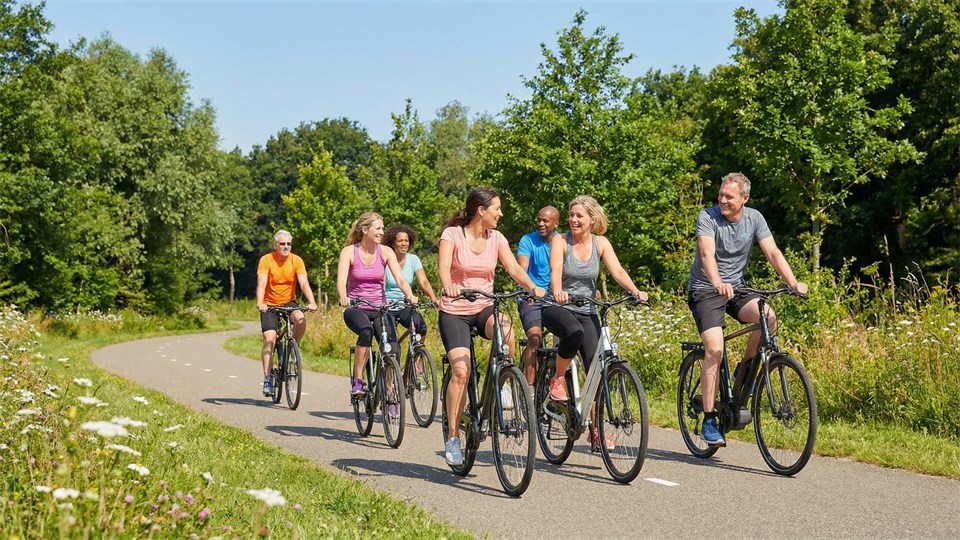
Aerobic training is an effective and accessible way to strengthen both body and mind. Regardless of age or level, you can find a form of exercise that matches your wishes and needs. Regular aerobic training improves fitness, reduces the risk of disease, gives you more energy in everyday life, and strengthens your mental resilience. It does not require advanced equipment or a gym membership – the most important thing is to get started and stick with it, so you create a healthy and active lifestyle.