



Cardio is a word you often encounter when it comes to exercise and health. But what does it actually mean? Cardio is short for cardiovascular training and covers all forms of physical activity where your heart rate increases, and your heart and lungs work harder than usual. It is also called circulatory training because it strengthens the circulatory system – that is, your heart, blood vessels, and lungs.

Cardio comes from the Greek word "kardia," which means heart. Cardio training is about activating and strengthening the body's circulatory system so that blood is pumped more efficiently around. When you do cardio, both your heart and your lungs work harder to deliver oxygen to your muscles.
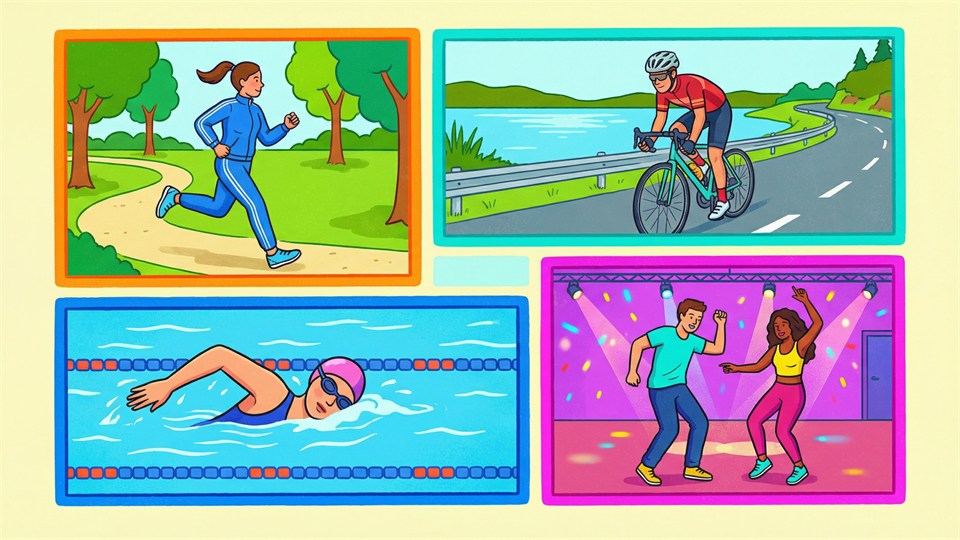
Typical examples of cardio are running, cycling, swimming, dancing, rowing, and brisk walking. Team sports like football and basketball also count as cardio because you use large muscle groups over a longer period and get your heart rate up. It is not necessary to run a marathon – even a brisk walk can be good cardio if you get your heart rate up and become slightly out of breath.
When you start doing cardio, a number of things happen in your body:
As you train regularly, your heart becomes stronger and can pump more blood per beat. This means you can handle more before you get out of breath. The lungs and blood vessels also become stronger and more efficient, and this has a big impact on your overall health.
Cardio has a wide range of health benefits, whether you are young or old, well-trained or a beginner. Here are some of the most important:
Even small amounts of cardio can make a difference to your health. It is generally recommended to be moderately physically active for at least 150 minutes a week, preferably spread over several days.
There are many ways to do cardio, and the most important thing is to choose something you like. Here are some popular forms:
The most important thing is that your heart rate goes up and that the activity lasts at least 10 minutes at a time. You do not need to train hard every day – moderate intensity is enough for most people.
If you are not used to exercising, cardio can seem overwhelming. But anyone can get started! Start small and choose an activity you enjoy. Here are some tips for beginners:
It is normal to get out of breath – but stop if you feel dizzy, have chest pain, or feel unwell. If you have chronic illnesses, talk to your doctor before you start.

You do not necessarily need to go to the gym to get cardio. There are many ways to sneak circulatory training into your daily life:
Everything counts – and a little is better than nothing. It's about being creative and finding opportunities in your everyday life.
There are several myths about cardio that can prevent some people from getting started:
The most important thing is to find a form of cardio you like and can stick with over time.
To get the most out of cardio, you can follow these steps:
Remember, everyone starts somewhere. Even though small steps do not always feel like much, they are important for your long-term health.
Cardio – or circulatory training – is one of the most effective ways to strengthen your heart, improve your fitness, and achieve greater well-being. Regardless of age and level, you can find a form of cardio that suits you. It does not require expensive equipment or a gym membership – the most important thing is that you move and get your heart rate up. Start small, be curious, and make cardio a natural part of your everyday life. Your body and your mood will thank you!