



Baseball is a popular American ball game where two teams of nine players each compete to score the most points. The game combines strategy, speed, and precision, and although it is especially big in the USA, baseball also has many fans in the rest of the world.
Basic Rules of the Game
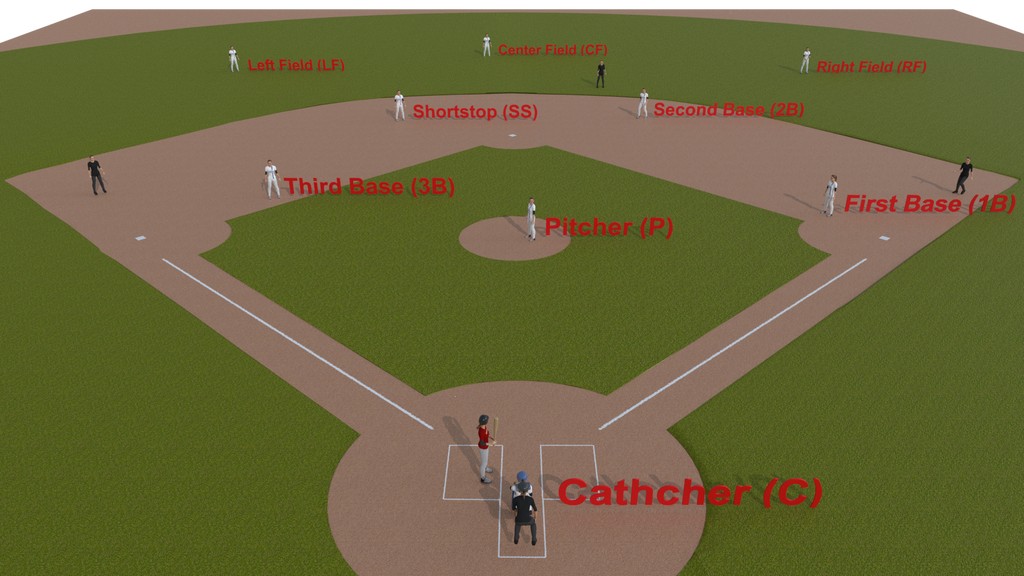
Each team consists of nine players, and the teams take turns being on offense (at bat) and defense (in the field). The defensive team has all nine players on the field, while the offensive team only has one batter at a time on the field, who tries to score points. Points are scored by running all the way around the four bases – from first to fourth base (home plate).
A round in which both teams have been both at bat and in the field is called an inning. A game typically consists of nine innings. The offensive team's inning ends when three players are called out.
How Baseball is Played
The game starts with the pitcher from the defensive team throwing the ball towards the batter from the offensive team. The batter's task is to hit the ball with his bat and then try to run to first base. In front of the batter is the strike zone – the area over home plate between the batter's knees and the middle of the torso.
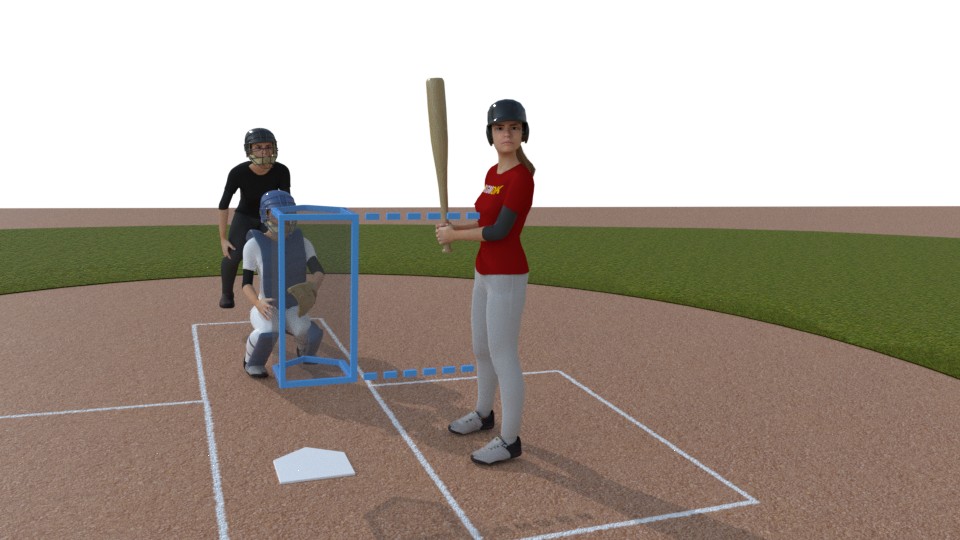
- Strike: If the pitcher throws the ball through the strike zone and the batter does not hit it, or if the batter swings and misses, it counts as a strike. Three strikes means the batter is out (strikeout).
- Ball: If the ball is thrown outside the strike zone and the batter does not swing, it counts as a ball. Four balls give the batter the right to go to first base (walk).
- Hit: If the batter hits the ball, he must try to reach at least first base while the defense tries to get him out.
- Out: The batter or a runner is out if the ball is caught in the air, or if a defensive player with the ball touches the base before the runner arrives.
Player Positions and Roles
Batter
The batter is the player who tries to hit the ball and thereby put himself or other players in a position to score points. The team's players come up to bat in a fixed order, which can only be changed by substitutions.
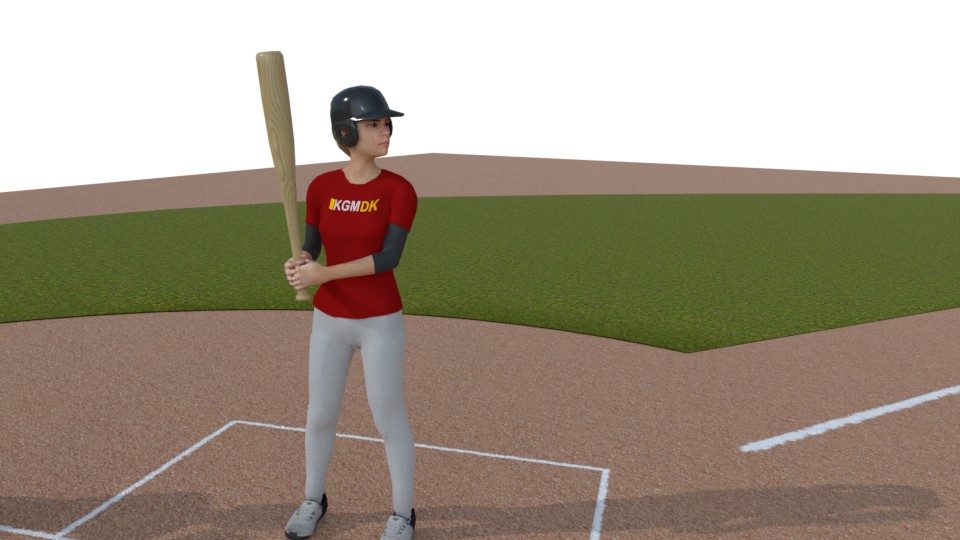
When the batter has hit the ball and runs toward first base, he becomes a runner. A runner is a player who tries to advance around the bases to score points.
Pitcher
The pitcher's main task is to throw the ball as accurately and challengingly as possible so that the batter cannot hit it properly. The pitcher can also try to get a runner out by throwing the ball to a base.
Catcher
The catcher sits behind the batter and catches the balls that the batter does not hit. The catcher communicates with the pitcher via hand signals and often acts as the defensive leader on the field.
Infield – Defensive Players Near the Bases
The infield consists of four players who cover the areas around the four bases: First Baseman, Second Baseman, Shortstop, and Third Baseman.

First Baseman
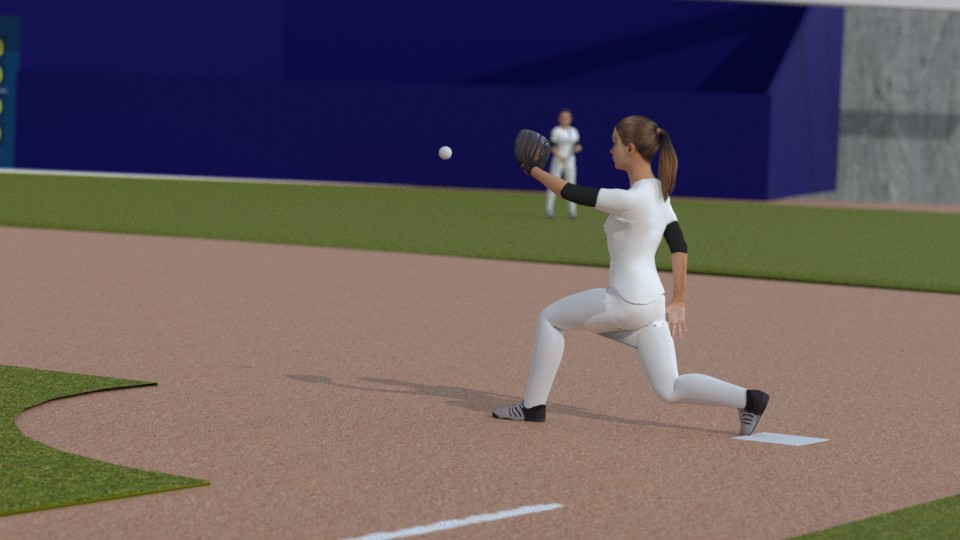
The First Baseman covers the area around first base. The player must be good at catching and flexible, preferably left-handed, as this gives an advantage in throwing and catching.
Second Baseman
The Second Baseman covers the area between first and second base and must be quick and skilled at throwing accurately to the other bases.
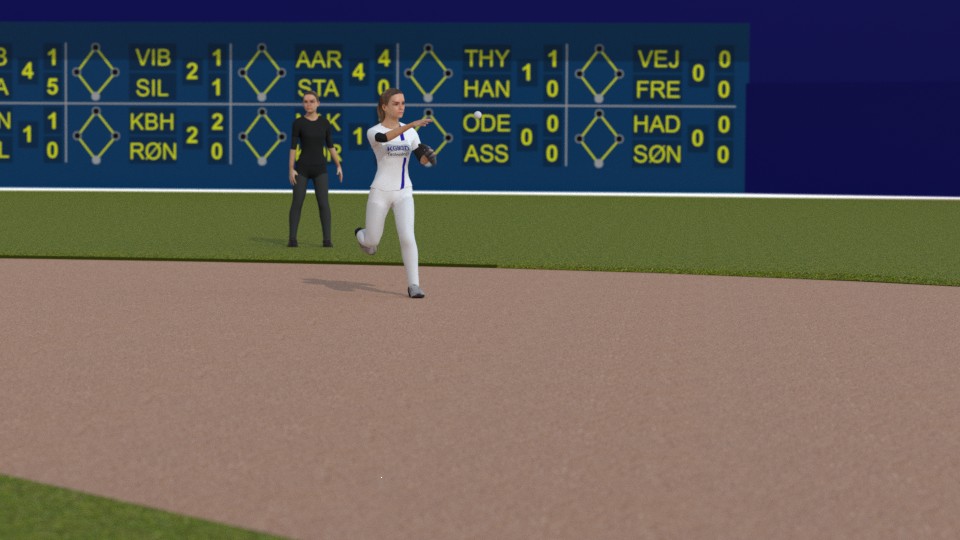
Shortstop
The Shortstop is the most central infield player and often receives the most balls, as most hits from right-handed batters come in his direction. The Shortstop often acts as the leader of the infield.
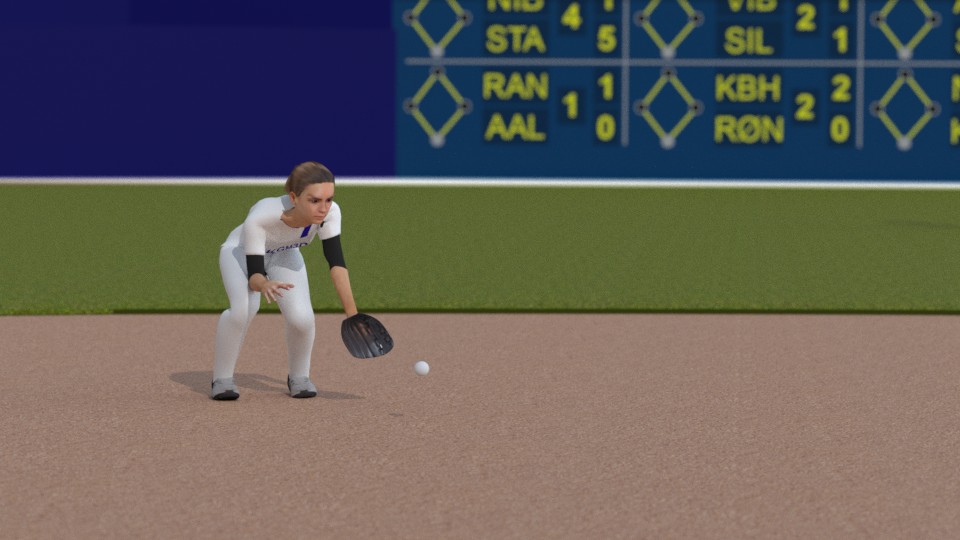
Third Baseman
The Third Baseman covers third base, also called the "hot corner," as many hard hits are sent in this direction. The player must have a strong throwing arm to be able to throw the ball across the field to first base.
Outfield – Defensive Players in the Outfield
The outfield consists of three players: Left Fielder, Center Fielder, and Right Fielder. They cover the large area behind the infield players and are tasked with catching long balls and preventing extra points.

Outfielders must be fast, have good reflexes, and be able to read the ball's trajectory. They are not responsible for the bases, but instead must catch the balls that are hit far out into the field.

The ball's trajectory can vary depending on whether the batter is right- or left-handed. A right-handed batter will often hit the ball to the left (hook), while a left-handed batter typically hits to the right (slice).
Conclusion
Baseball is a complex and fascinating game where teamwork, strategy, and individual skills all play a crucial role. Whether you are a beginner or an experienced fan, baseball offers plenty of excitement and entertainment.